R
Riaan Steenberg Japanese knifes made in China and Over priced.
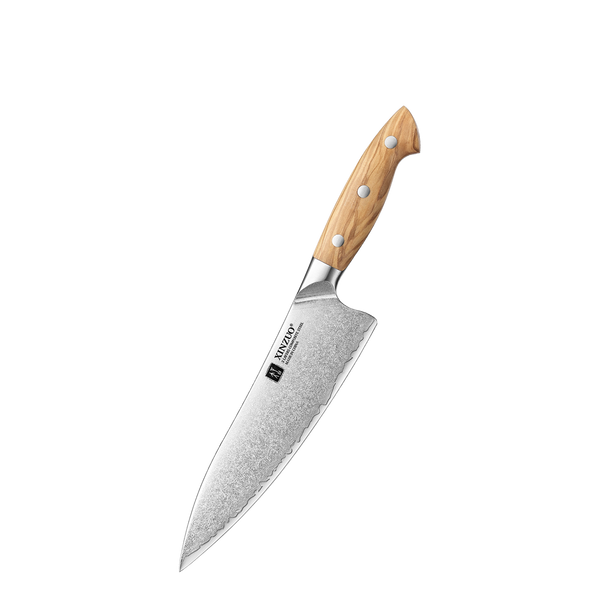
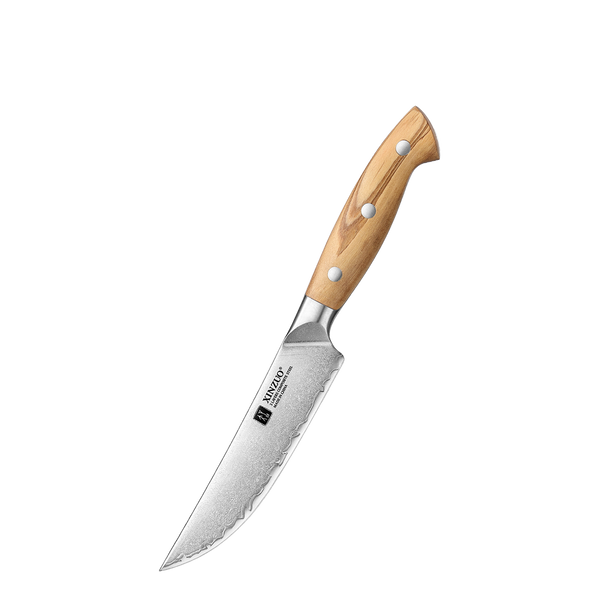
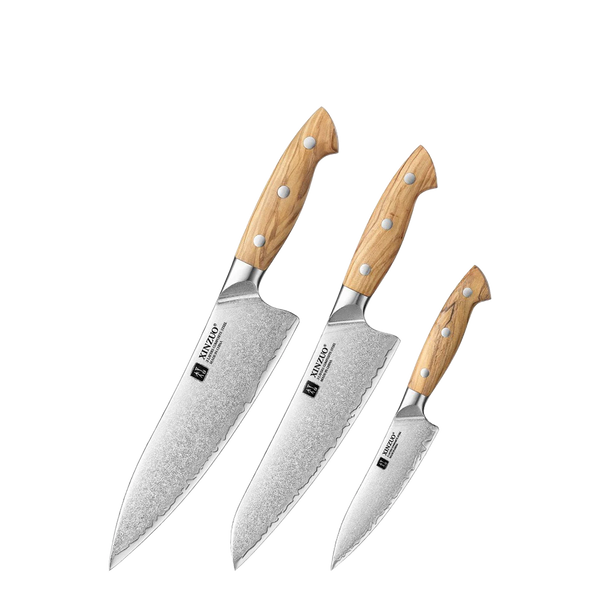
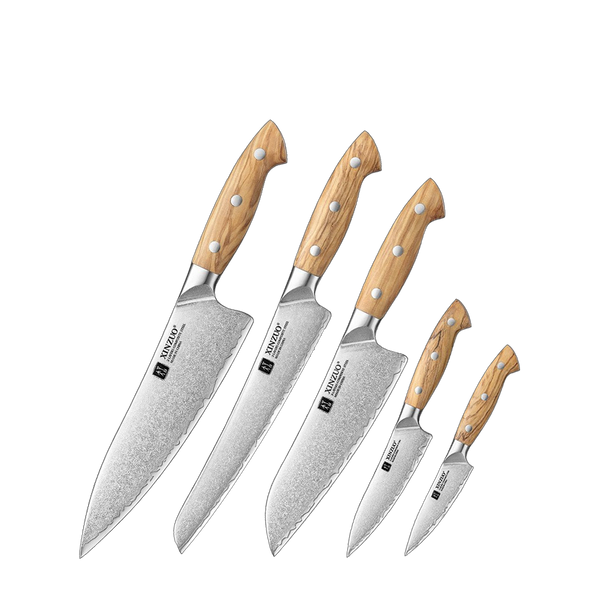
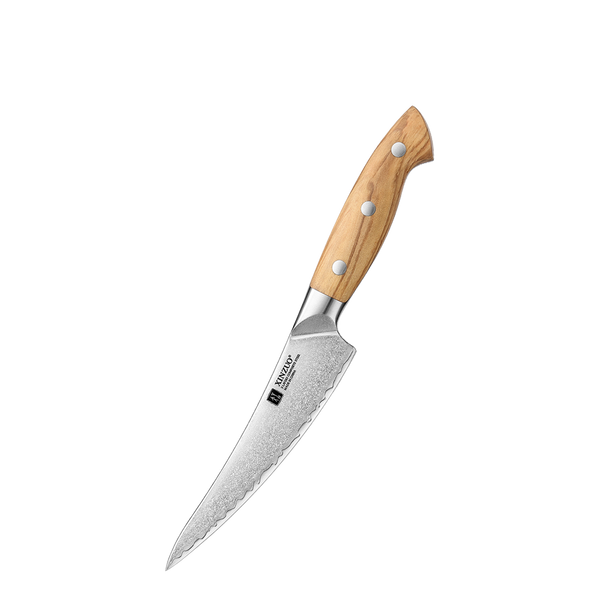
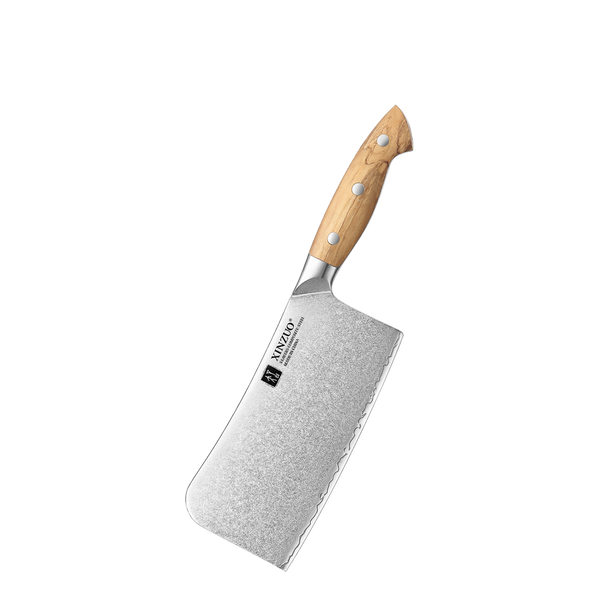
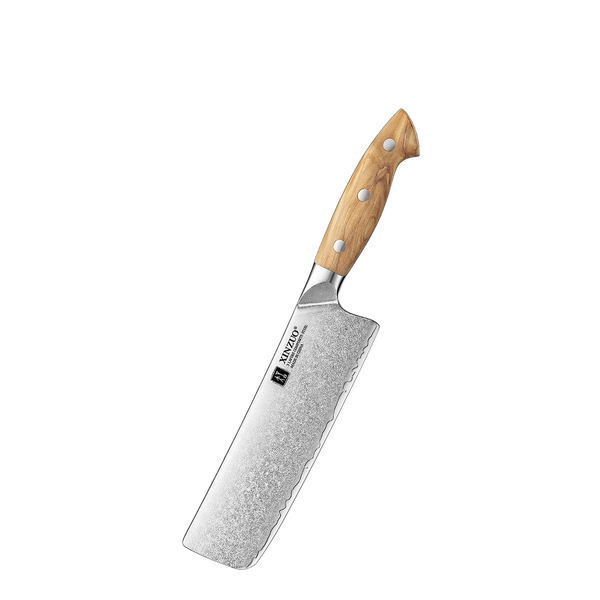
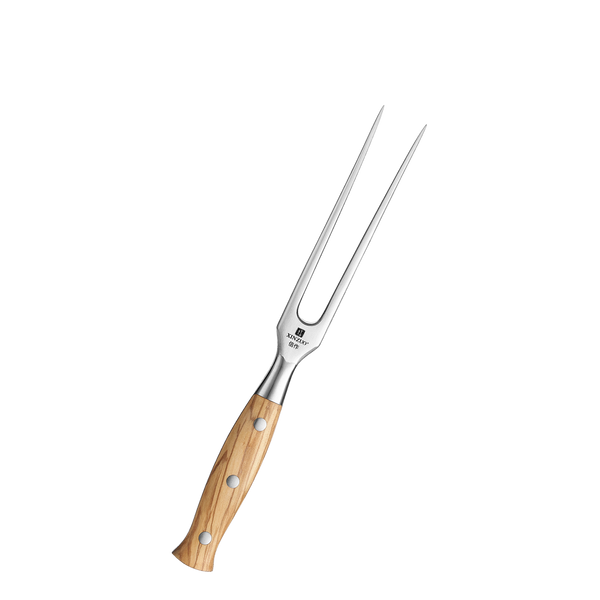
Premium 10Cr15CoMoV core steel in a clean 3-layer composite construction with a warm olive wood handle — the same cutting performance as Damascus without the decorative layers.
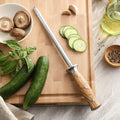
Your Pin Series knives aren't dull. They're crooked. After a week of regular cutting, the microscopic edge folds over and the blade starts pushing through food instead of slicing it clean. This diamond-coated honing rod realigns that edge in two minutes, without grinding away steel the way a whetstone does. Run it before dinner, not after the damage is done.
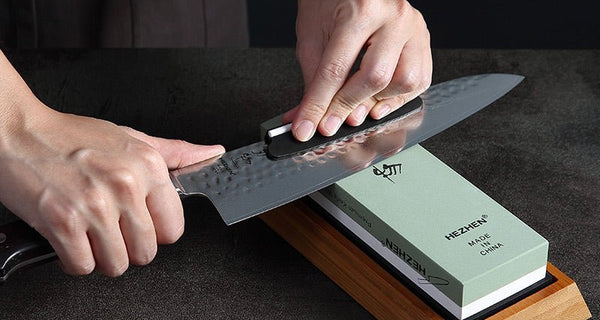
There's a difference worth knowing. Sharpening grinds away steel to form a new edge. Honing straightens the edge you already have. The fine diamond surface catches the folded-over edge and pushes it back into line with a few strokes per side. Do it every few days and the blade stays sharp between stone sessions, rather than slowly degrading until it won't bite through a tomato skin. Works on all knives in the Pin Series, and on any other kitchen knife in a similar hardness bracket.
All our knives arrive in a beautiful, premium gift box that's ready to impress. (Whether it's for a very lucky cook, or just for you.)
Steel Type: 10Cr15CoMoV Core
Hardness: 60 HRC
Construction: 3-Layer Composite
Handle: Olive Wood
Heat Treatment: Vacuum Heat Treated
The Pin Series uses the same 10Cr15CoMoV core steel found in Xinzuo's Damascus lines — equivalent to Japanese VG10 — in a clean 3-layer (san-mai) construction. You get identical cutting performance without the decorative Damascus cladding.
SAME STEEL. CLEAN LINES.
Handle Design
The Retro Series uses 10Cr15CoMoV steel with Damascus cladding. The 10Cr15CoMoV core is a Chinese-developed alloy that matches VG10 in performance, with added cobalt for hardness and molybdenum for corrosion resistance. It's hardened to 60 HRC for excellent edge retention.
Yes. The Damascus pattern on Retro Series knives is created through actual forge-welding of multiple steel layers, not cosmetic etching. Each blade has a unique pattern formed during the forging process. The layering also adds structural benefits, with softer outer layers absorbing impact while the hard core maintains the cutting edge.
They're very similar in composition and performance. Both achieve 60 HRC hardness, both contain vanadium for wear resistance and cobalt for heat hardness. The main difference is origin: VG10 is made by Takefu Special Steel in Japan, while 10Cr15CoMoV is produced in China. In blind testing, most users cannot distinguish between the two. Read our VG10 vs 10Cr15CoMoV comparison for the full breakdown.
The Retro Series features an ebony wood handle with a classic octagonal shape. The natural wood provides excellent grip, even when wet, and develops a beautiful patina over time. The octagonal profile prevents the knife from rolling on the counter and suits the pinch grip favoured by experienced cooks.
With regular honing, most home cooks can go 4-6 months between whetstone sharpenings. The 60 HRC steel holds an edge well but responds quickly to a 1000/6000 combination stone when it does need attention. See our whetstone sharpening guide for step-by-step instructions.