Santoku Knives
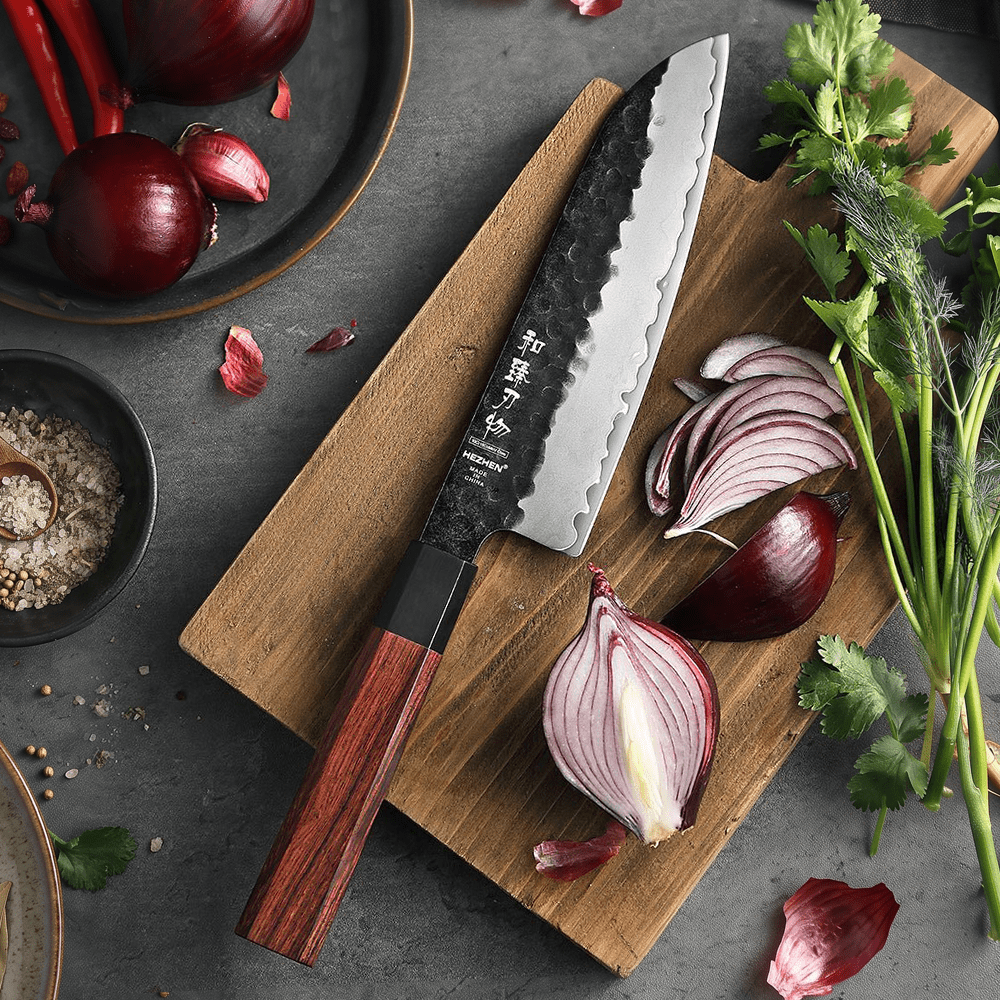
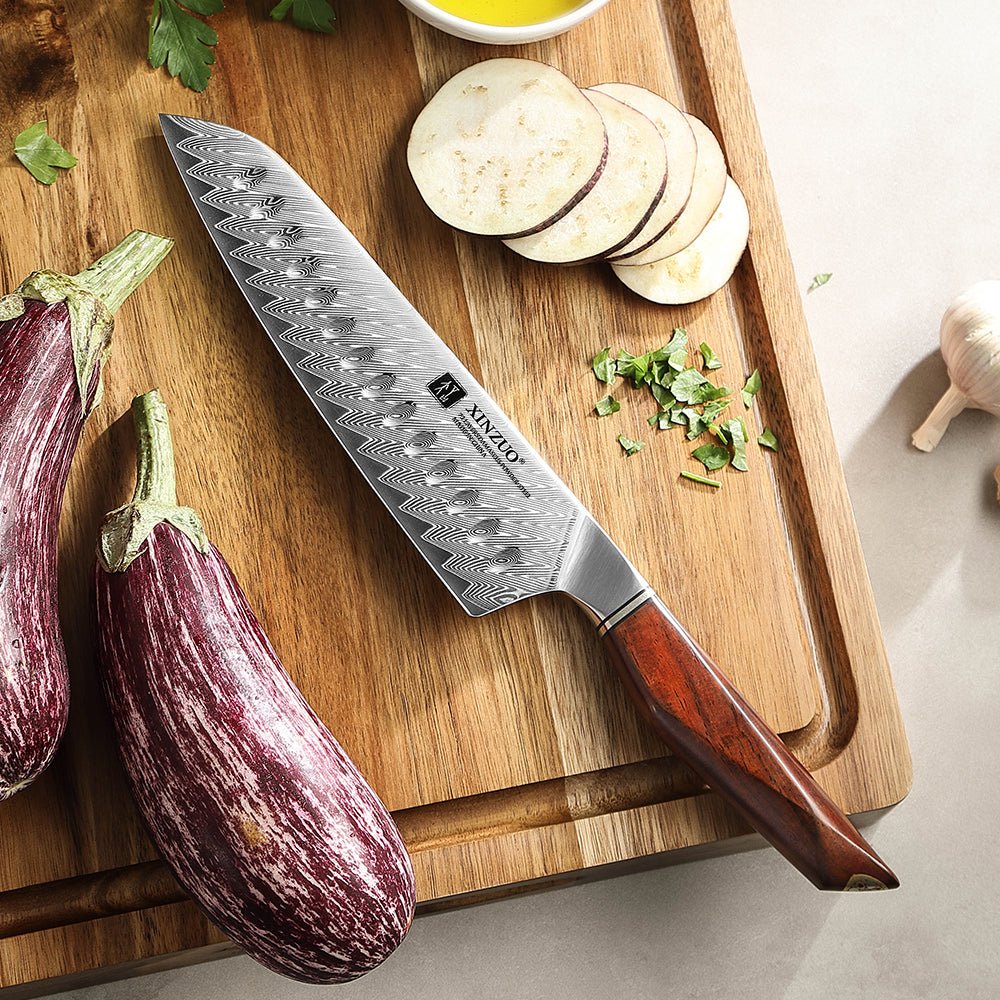
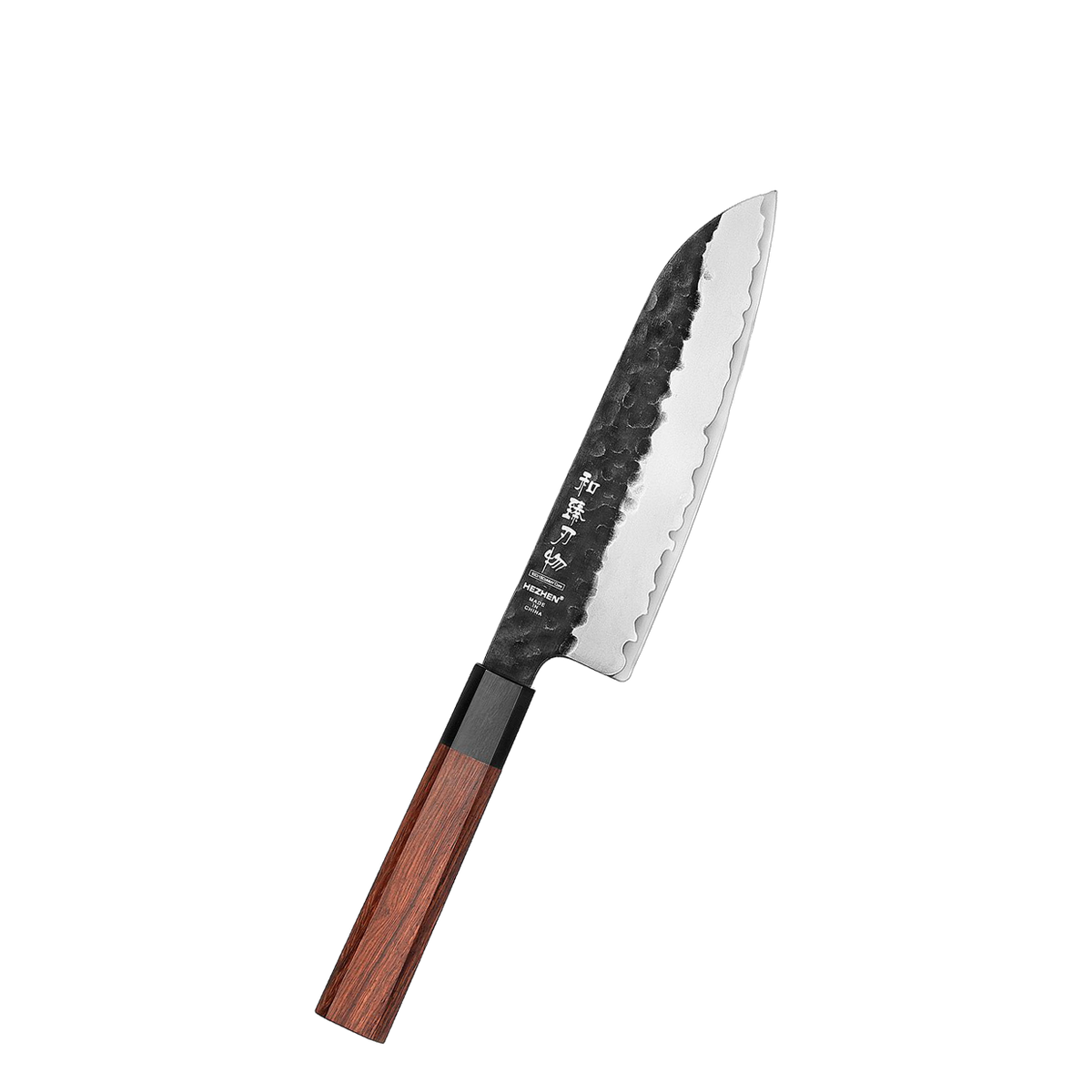
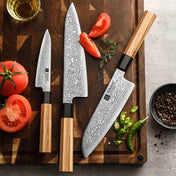
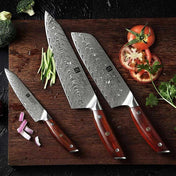
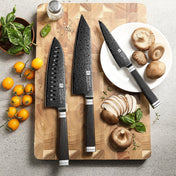
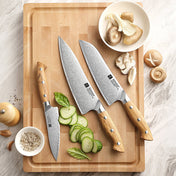
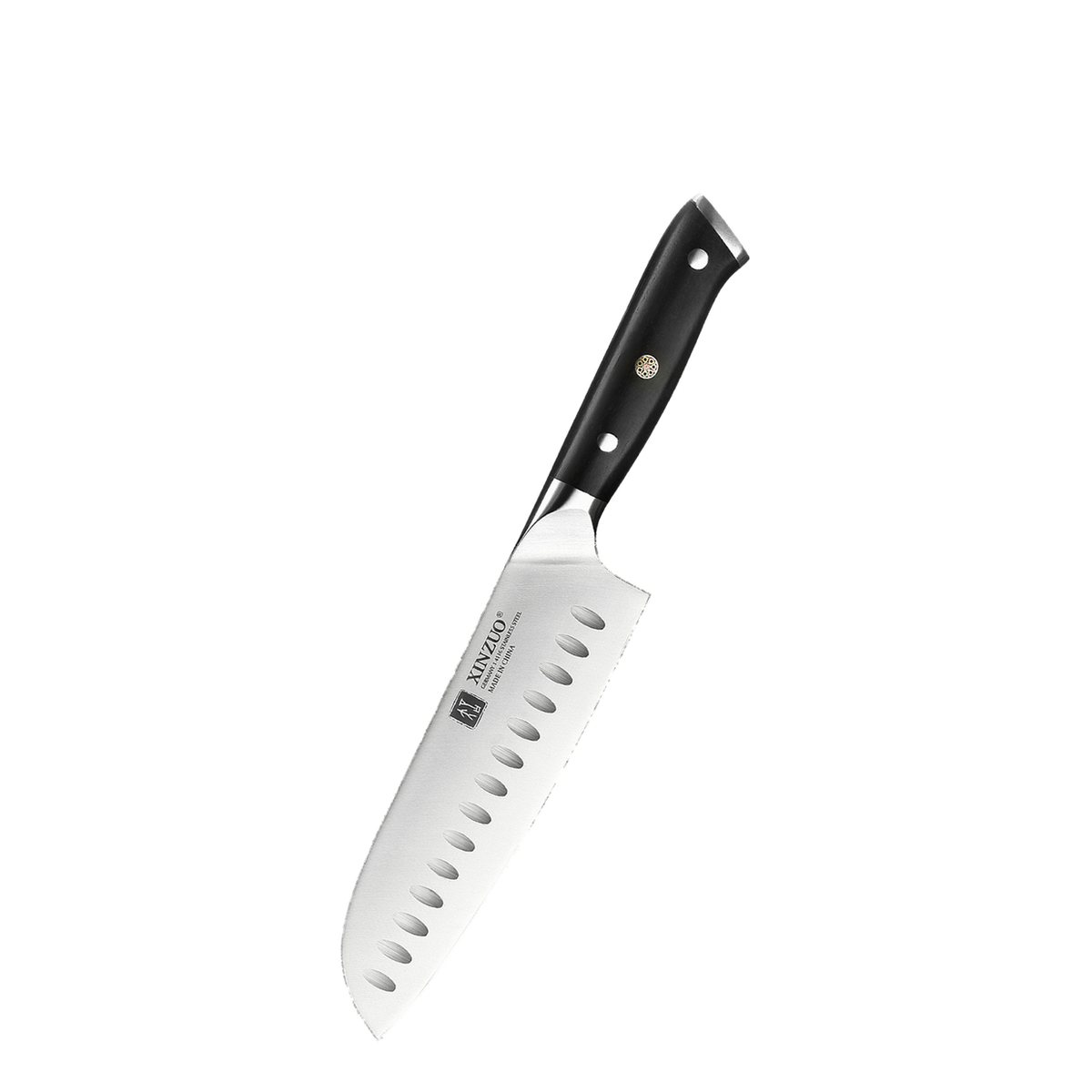
The santoku knife is Japan's most popular kitchen knife, named for its three virtues: slicing, dicing, and mincing.
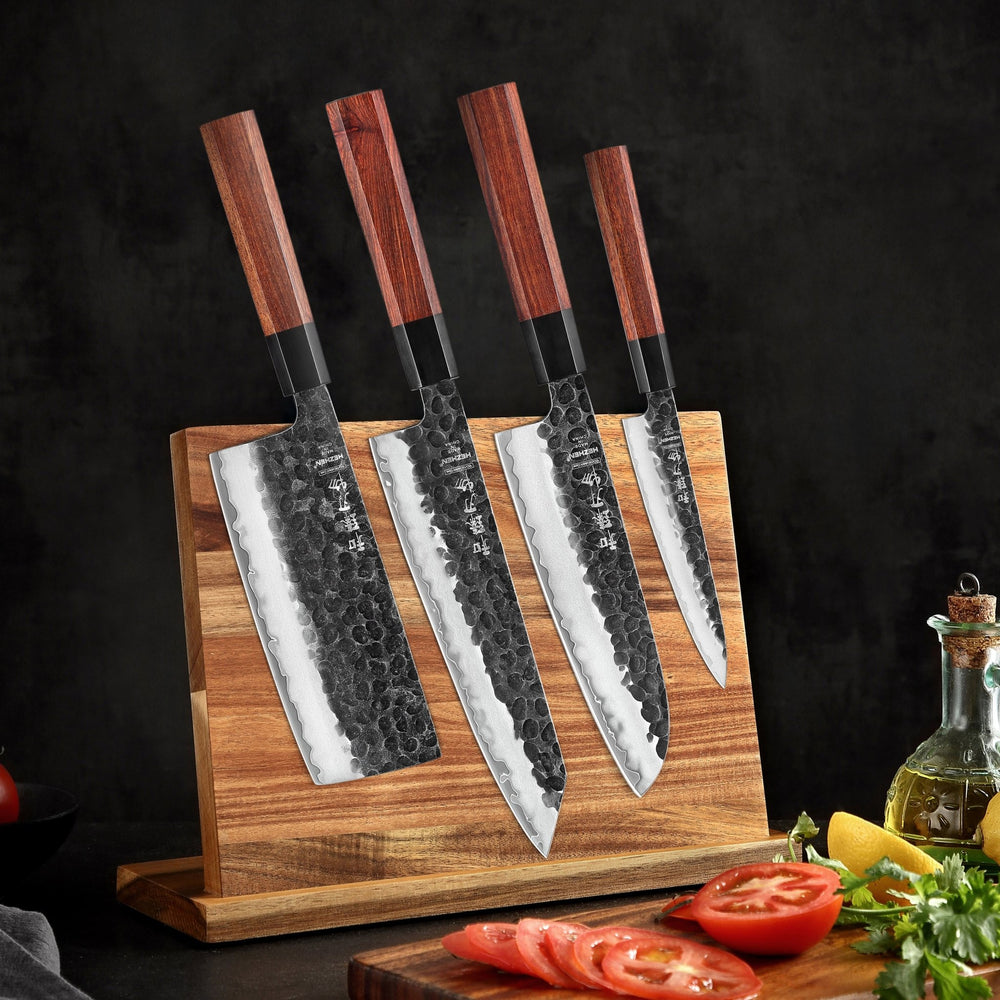
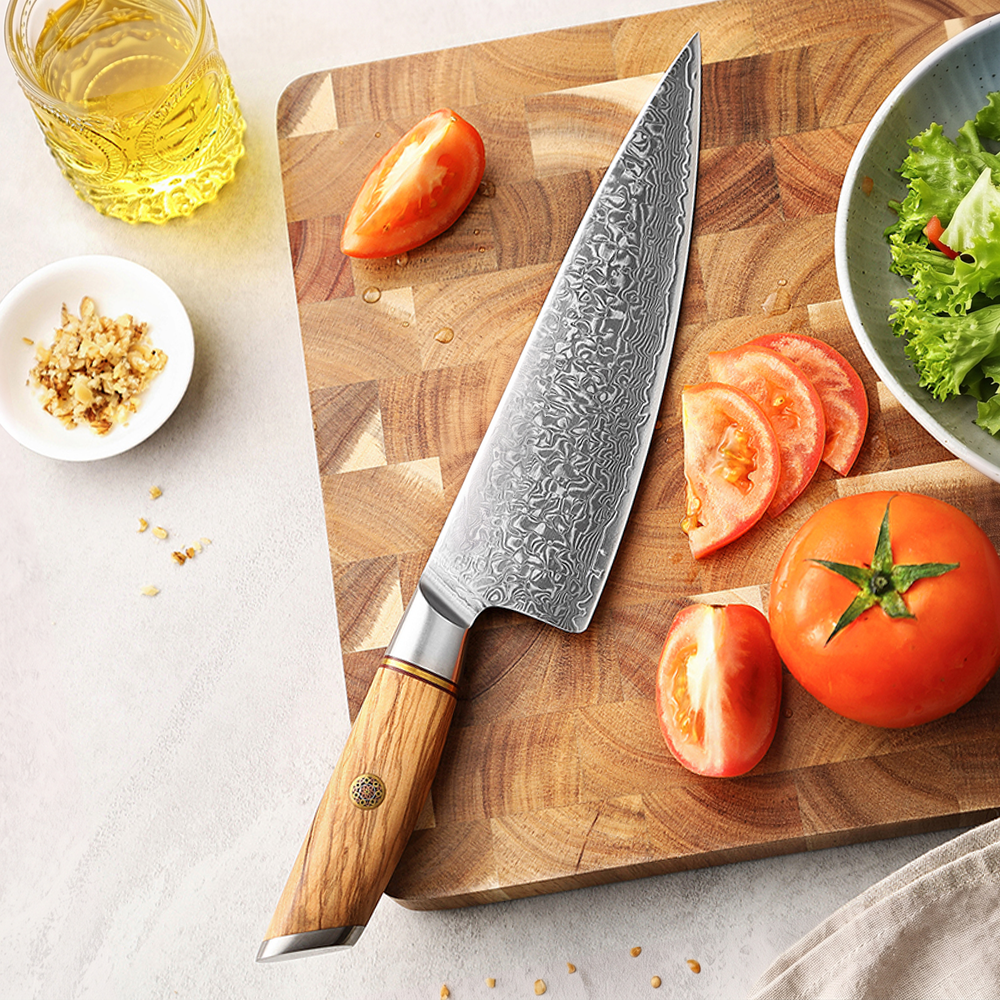
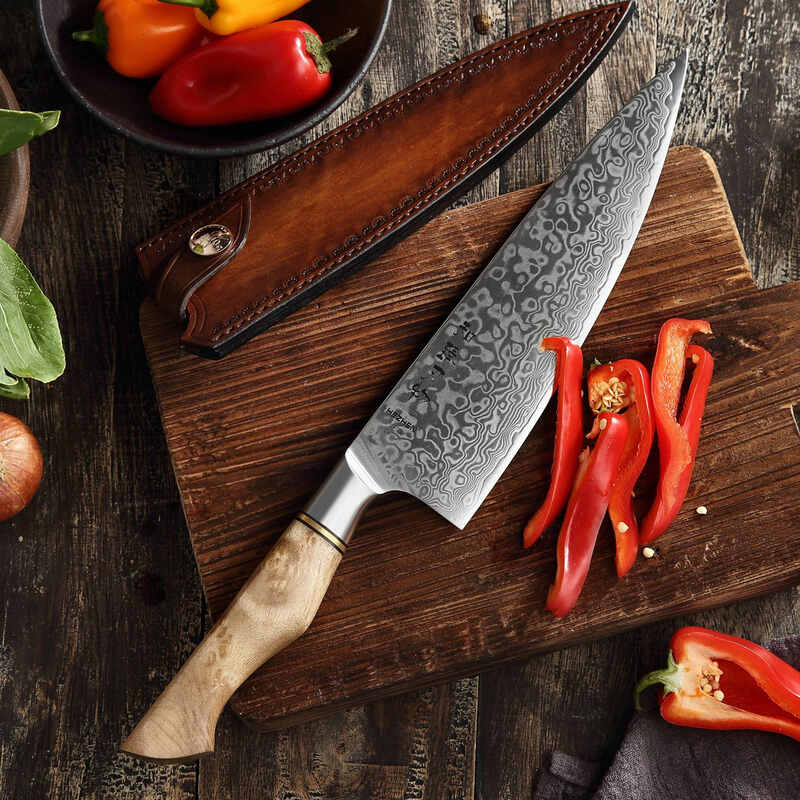
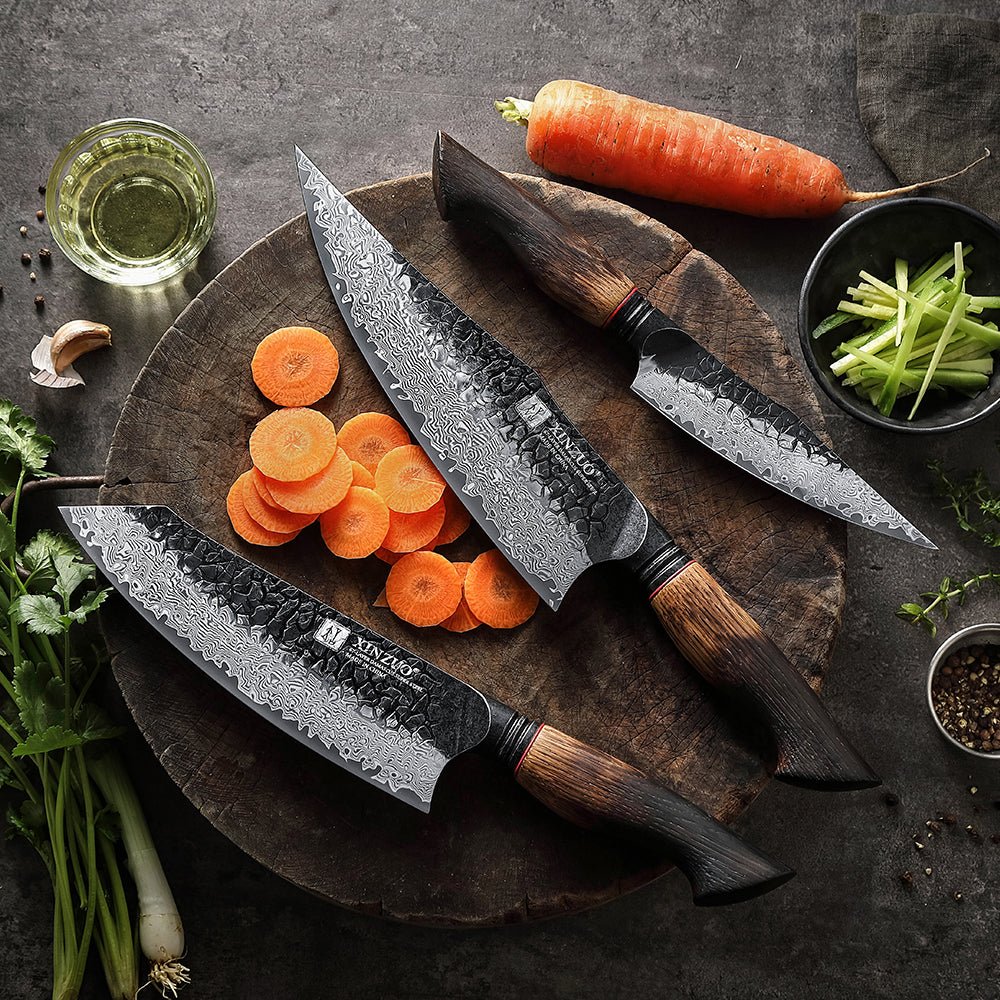
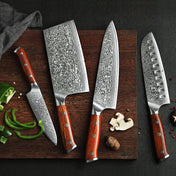
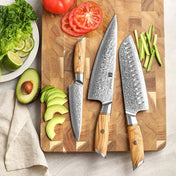
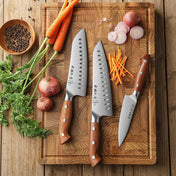
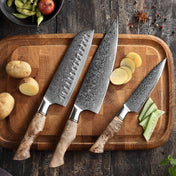
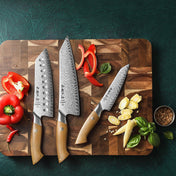
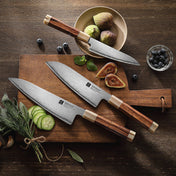
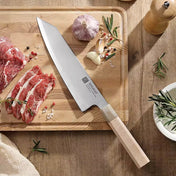
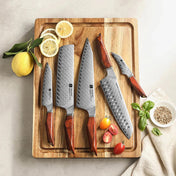
Lighter and more agile than a Western chef knife, the santoku delivers precision cuts through vegetables, proteins, and herbs without the heft. Xinzuo santoku knives feature 67-layer Damascus steel with a hard 10Cr15CoMoV core, forged in Yangjiang using techniques refined over generations. If you want one knife that handles almost everything in an Australian kitchen, the santoku knife is a compelling choice. For dedicated vegetable work, pair it with a nakiri. For heavier tasks, consider a gyuto or chef knife.
-
20% OFF
-
20% OFF
-
20% OFF
-
20% OFF
-
20% OFF
-
20% OFF
-
20% OFF
-
20% OFF
-
20% OFF
-
20% OFF
-
20% OFF
-
20% OFF
-
20% OFF
-
20% OFF
-
20% OFF
-
20% OFF
-
20% OFF
-
20% OFF
-
20% OFF
-
20% OFF
-
20% OFF
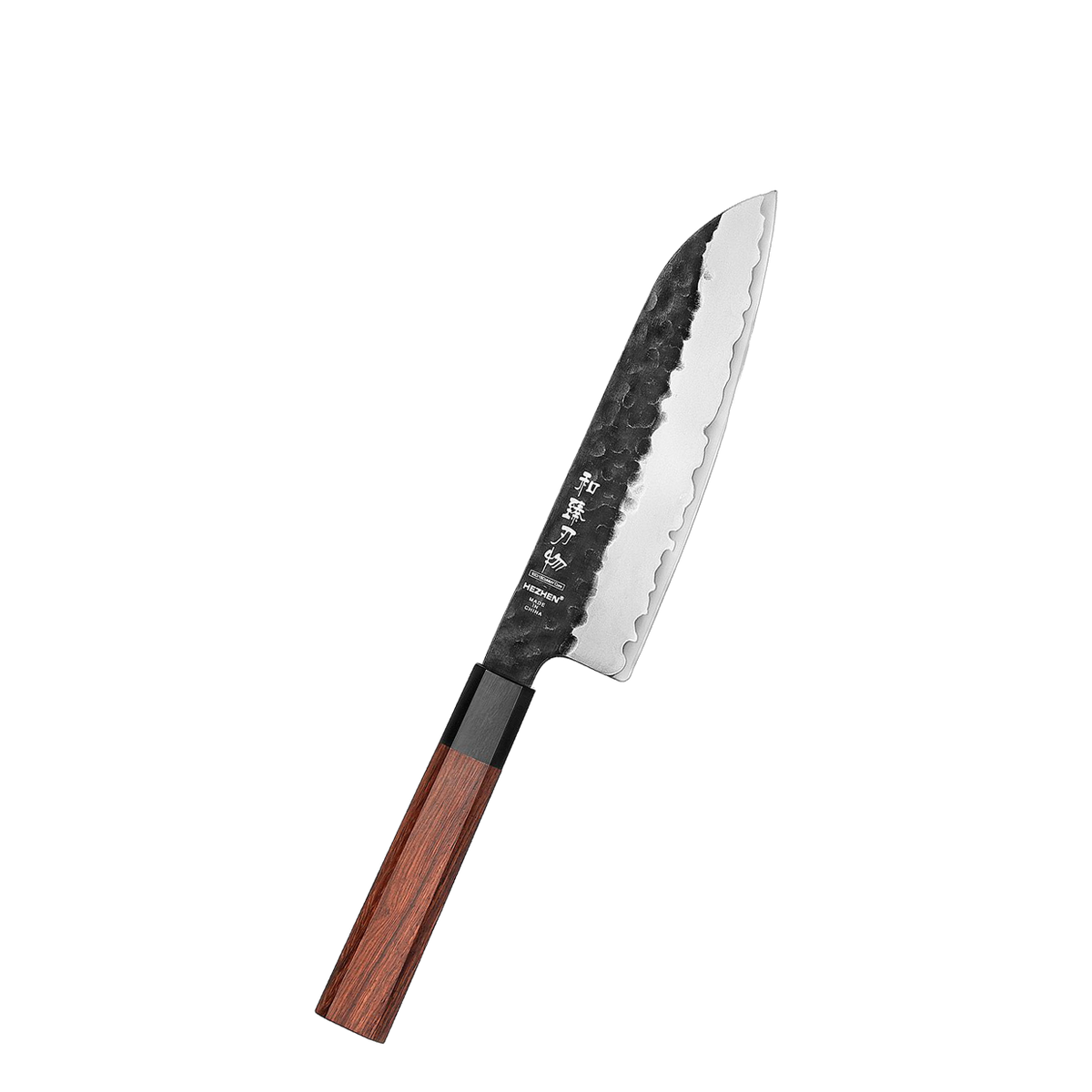
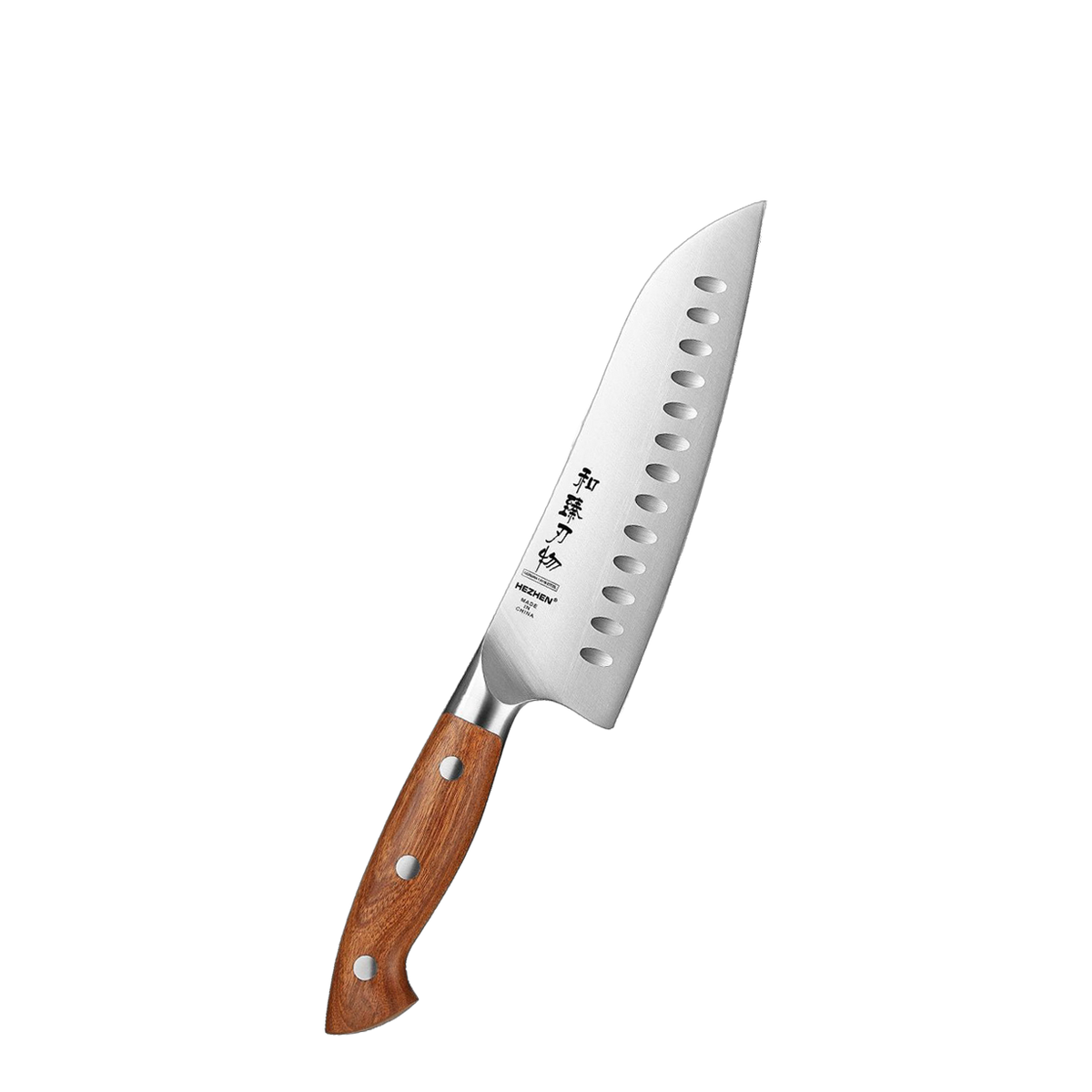
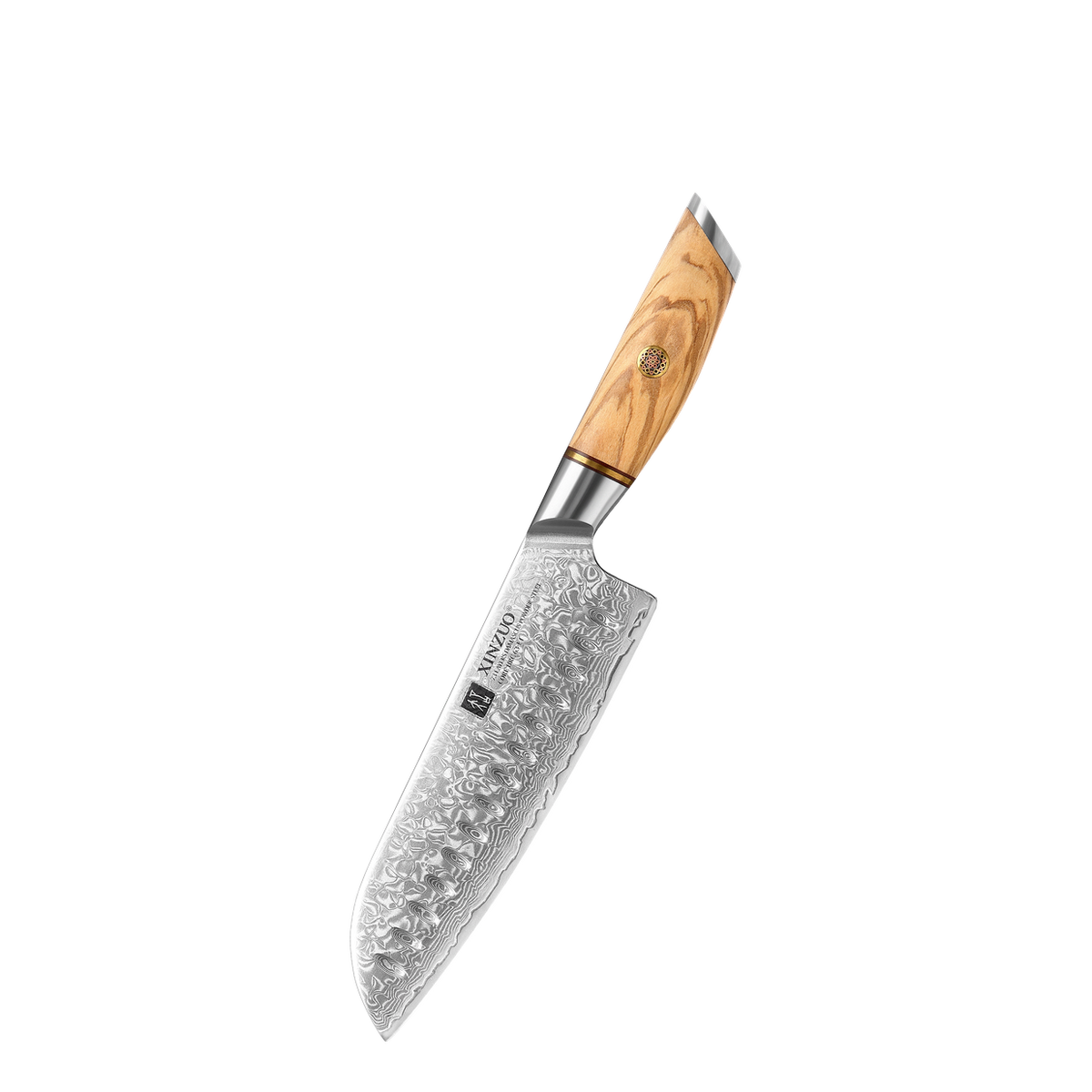


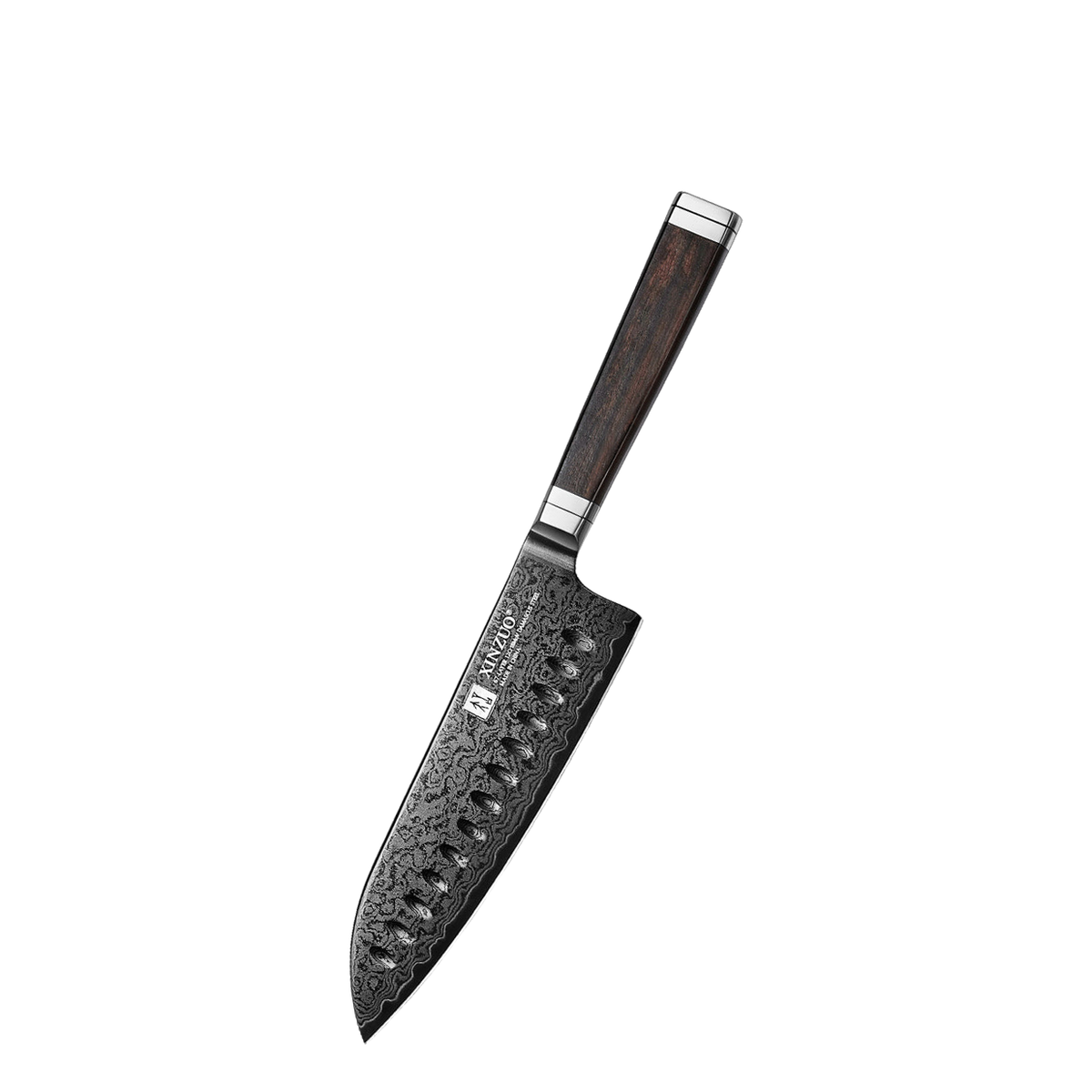



Choosing Santoku Knives
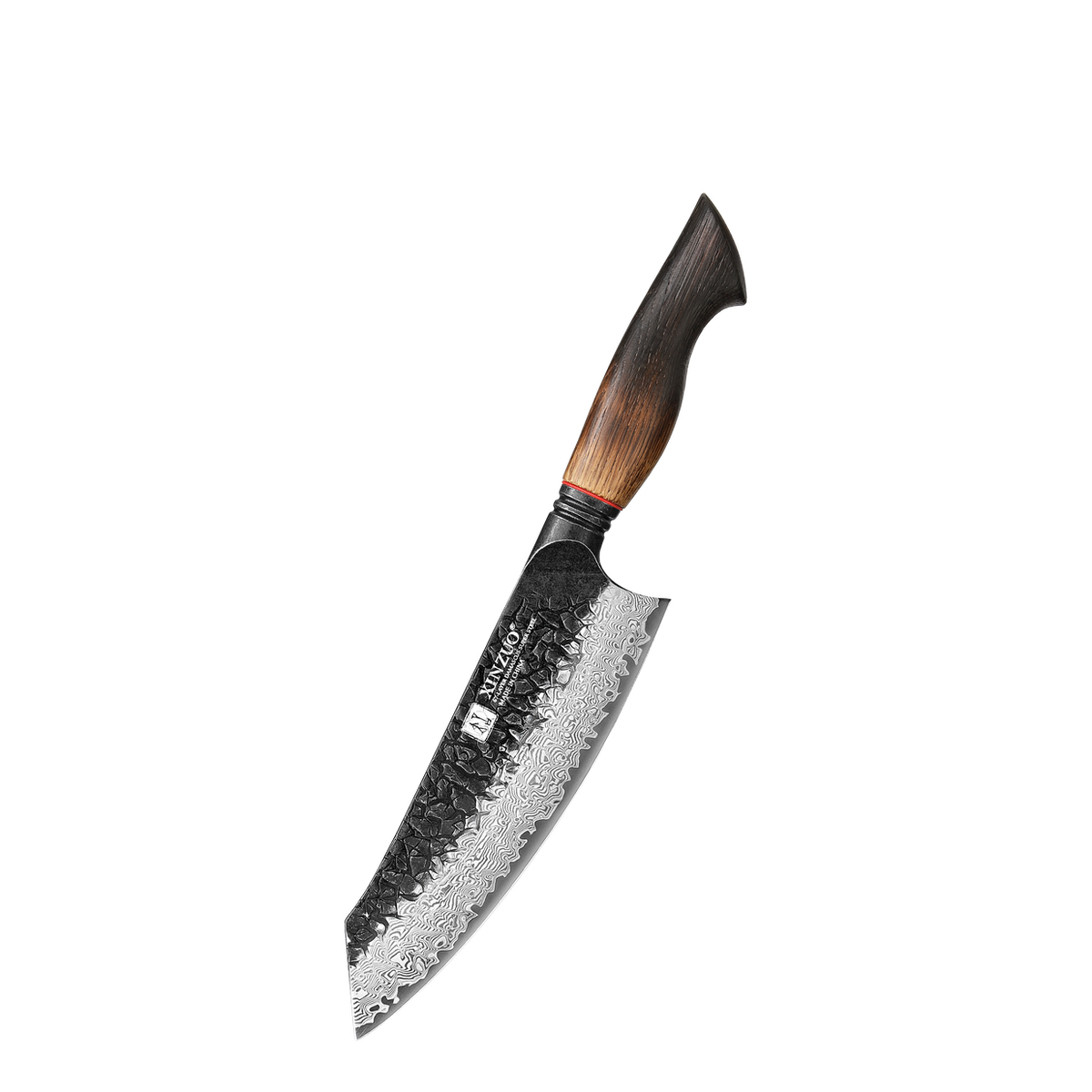
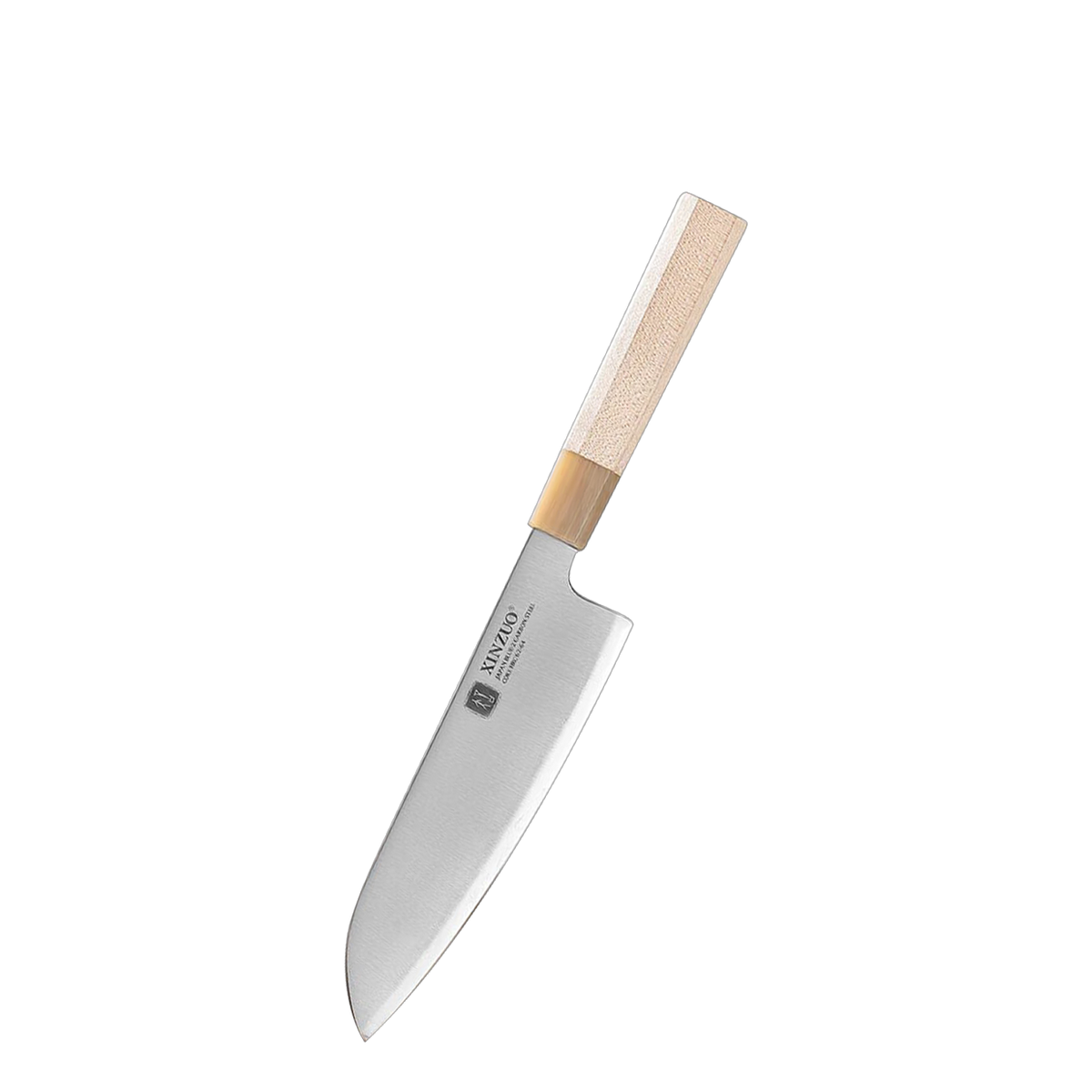
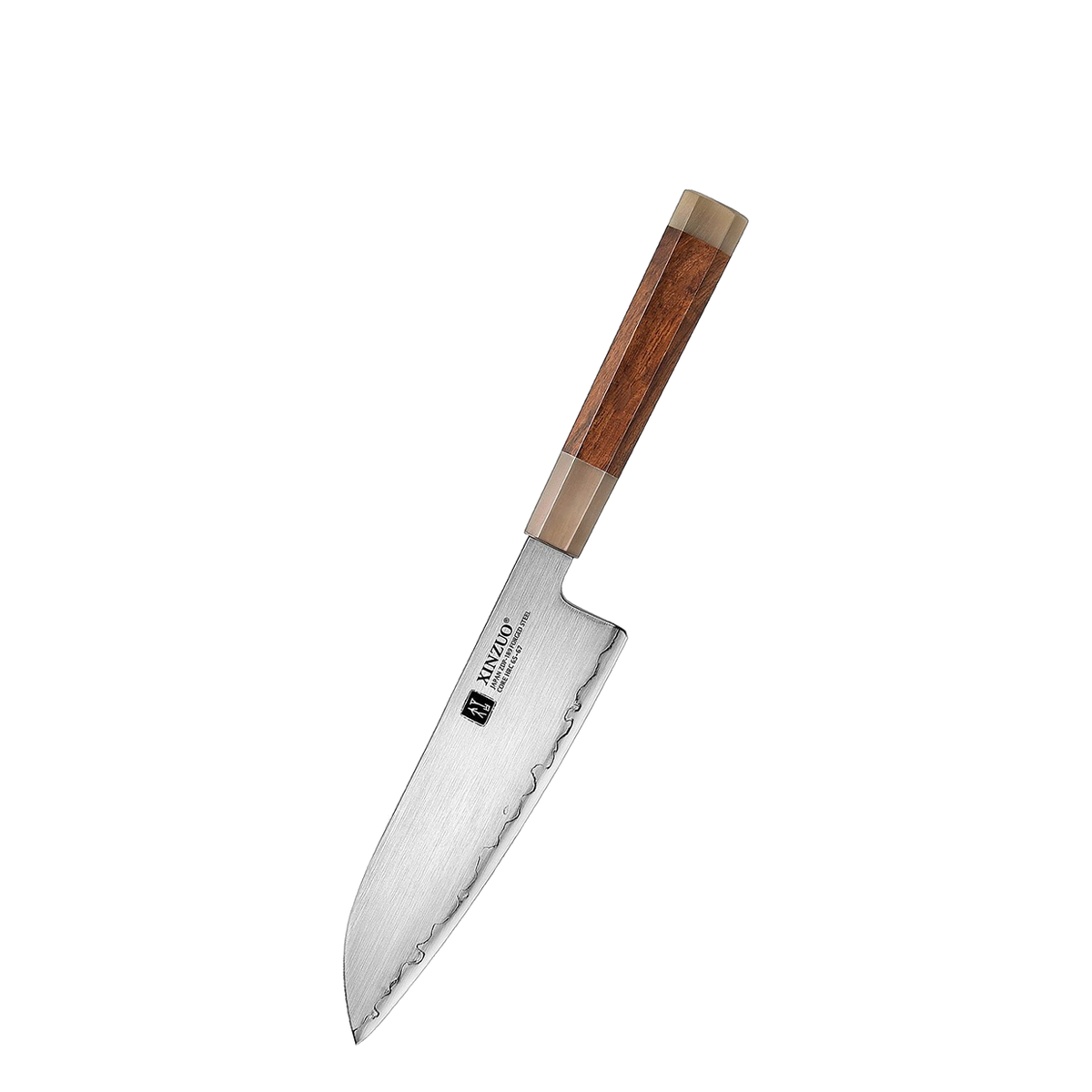
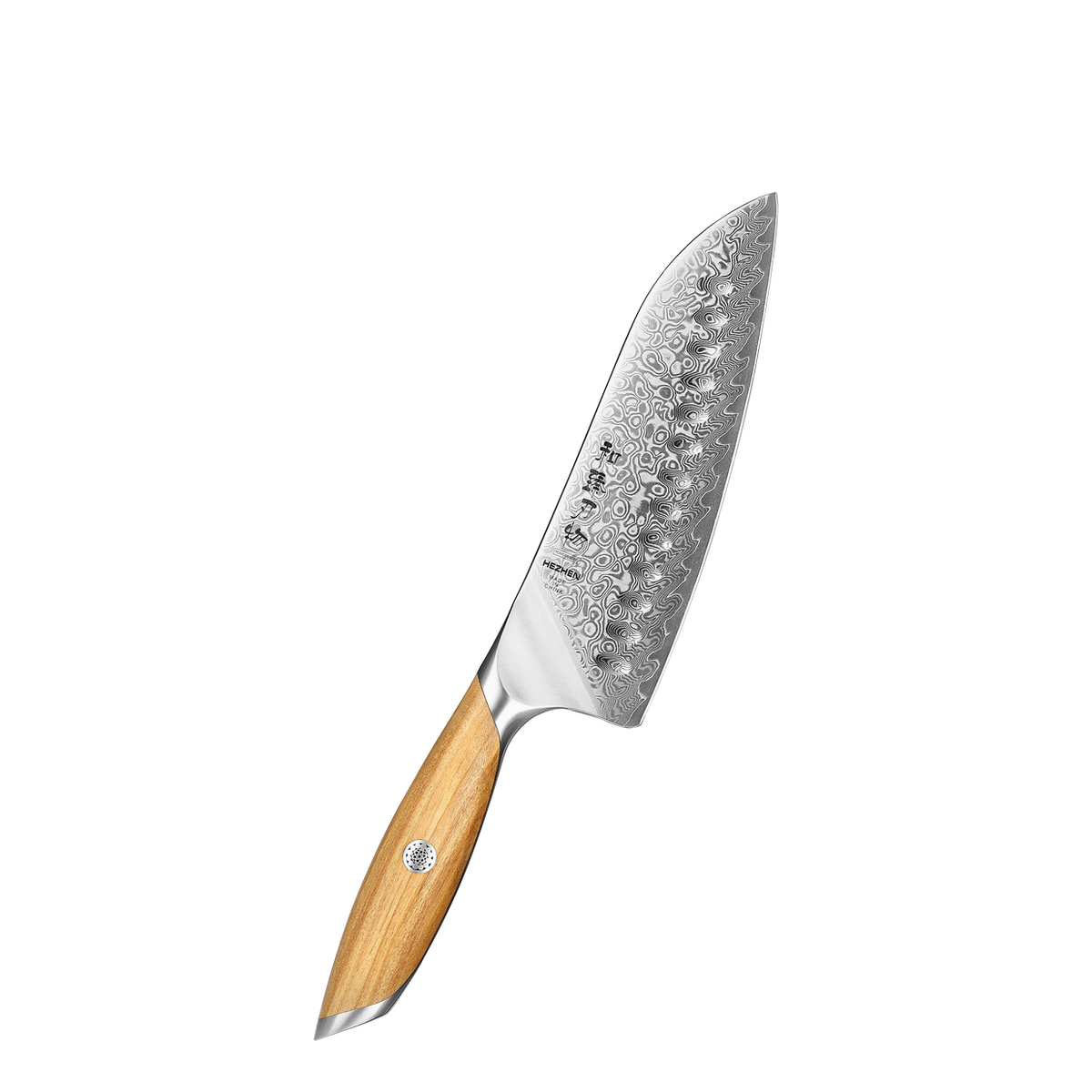
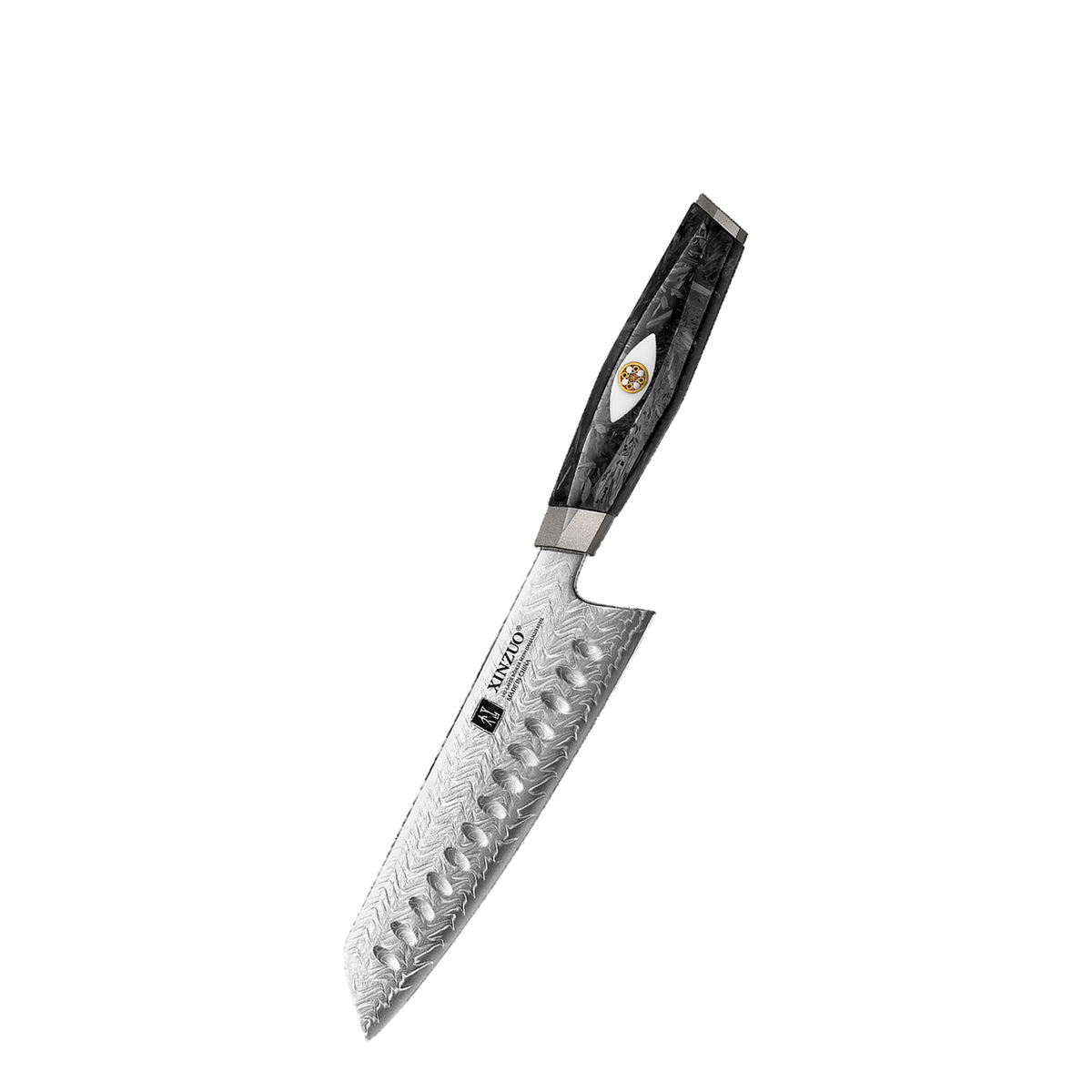
A santoku is the Japanese-style all-rounder built for the "three virtues" of slicing, dicing and mincing, and it is the knife to reach for if you prefer a straight-down push cut or a flat chop over the rocking motion of a curved Western chef knife. This collection runs 21 santoku knives across the full Xinzuo range, from a compact 5 inch blade up to a 7.5 inch workhorse, in steels and handles to suit everyone from a first serious knife to a keen home cook who sharpens on a whetstone.
What sets the santoku apart is the flat edge, the tall sheepsfoot blade and the shorter length compared to a chef knife. The flat profile stays in full contact with the board, so you get clean, complete cuts through everything from paper-thin cucumber to dense sweet potato, and the wide face doubles as a scoop to carry prep to the pan. The lighter weight means less fatigue over a long prep session. Every knife here is made in our Yangjiang workshop, and tested in our own kitchen before it goes on sale.
What size santoku knife is best?
For most cooks a 7 inch santoku is the sweet spot, and it is the most common size in this collection. It is long enough to slice a cabbage or a large onion in one pass, but short and manoeuvrable enough for everyday board work. Choose by hand and by task. The 5 inch and 5.5 inch santokus, such as the Retro, Zhen, Yu and Mo Series in the smaller size, are easier to control for petite hands and detail prep like herbs, garlic and shallots. The 7.5 inch blades in the Mo, Uliassi and X1 Series give more knuckle clearance and reach for bigger vegetables and larger batches. If you only buy one, go 7 inch; if you cook a lot of fine vegetable work, a smaller santoku is a genuinely nice second blade.
Santoku or chef knife: which should you buy?
Buy a santoku if you push-cut and chop straight down, and a chef knife if you rock the blade through herbs and mince. The santoku's flat edge and sheepsfoot tip excel at clean, decisive cuts and precise vegetable work, while a curved Western chef knife suits the continuous rocking motion many cooks learn first. Neither is better, they are built for different hands. Plenty of kitchens keep both, a chef knife for rocking and breaking down proteins, a santoku for fast, flat vegetable prep. If you are still weighing it up, compare the two directly in our santoku vs chef knife guide, and for pure vegetable duty look at the flat, square-tipped nakiri.
What steel are Xinzuo santoku knives?
Most of the range runs a 10Cr15CoMoV stainless core clad in 67-layer Damascus, at 60±2 HRC. This steel is prized for a strong balance of sharpness, edge retention, toughness and corrosion resistance. The Yi, Yu, Zhen, Master, Retro and Elegant Series santokus sit in this group, so they sharpen, hold an edge and age much the same way. Stepping up, the Uliassi (X03), X1 (X01) and Lan (B37) Series use a finer-grained 14Cr14MoVNb powder steel core under 73-layer Damascus at 62±2 HRC, which means longer between sharpenings for cooks who would rather cook than hone. At the softer, more forgiving end, the Supreme and German-steel Yu (B13S) santokus run 56-58 HRC, which is easier to bring back to a keen edge and a sensible place to start.
Damascus, handles and hardness across the range
The Damascus you see is genuine forge-welded cladding, not an acid-etched pattern printed on a single billet. The layered outer steel adds corrosion resistance and absorbs shock while the hardened core carries the edge, so the blade takes daily prep without chipping. Handle woods run from the burnt oak of the Mo Series to the olive wood on the Lan and X1, and rosewood on the Yu and Uliassi, each stabilised for wet kitchen use. The table below shows how a few representative santokus compare so you can match steel, hardness and handle to how you actually cook.
| Series | Sizes | Damascus | Core steel | Hardness | Handle |
|---|---|---|---|---|---|
| Mo Series (X06) | 5", 5.5", 7.5" | 67-layer | 10Cr15CoMoV | 60±2 HRC | Burnt oak |
| Yu Series (B13R) | 5", 7" | 67-layer | 10Cr15CoMoV | 60±2 HRC | Rosewood |
| Uliassi Series (X03) | 7.5" | 73-layer | 14Cr14MoVNb powder steel | 62±2 HRC | Rosewood |
| X1 Series (X01) | 7.5" | 73-layer | 14Cr14MoVNb powder steel | 62±2 HRC | Olive wood |
| Lan Series (B37) | 7" | 73-layer | 14Cr14MoVNb powder steel | Powder-steel core | Olive wood |
Common questions
What is the difference between 67-layer and 73-layer Damascus? The layer count is the number of folds in the outer cladding, not a hardness rating, so both are equally genuine forge-welded Damascus. What actually changes the feel is the core steel underneath. The 67-layer santokus here run a 10Cr15CoMoV stainless core, while the 73-layer Uliassi, X1 and Lan run a finer-grained 14Cr14MoVNb powder-steel core that holds its edge longer.
Are these Japanese-made? No, and we are upfront about it. Every blade is made in our own Yangjiang workshop in China. Most use Chinese steels such as 10Cr15CoMoV and 14Cr14MoVNb, and the Zhen PM8M and X05Z santokus have genuine Japanese Aogami #2 and ZDP-189 cores. We call them Japanese-style, never Japanese-made.
Is a santoku good for a beginner? Yes. The flat edge and simple straight-down cut are easy to learn, and the shorter blade feels controllable in the hand. A softer 56-58 HRC santoku like the Supreme Series is very forgiving to sharpen, which makes it a friendly first knife.
How do I look after a santoku? Hand wash and dry it straight after use, never the dishwasher, and hone before heavy prep. Every Xinzuo knife carries a lifetime warranty against manufacturing defects, you are covered by Australian Consumer Law, and Australian shipping is free over $100.
Want to compare across the kitchen before you commit? Browse our curved-blade chef knives for rocking and protein work, the flat, square-tipped nakiri knives for pure vegetable prep, or the tall bunka knives that pair a flat edge with a pointed reverse-tanto tip. Want a matched kit rather than a single blade? See our knife sets, and if you are buying your first serious knife, start with our best starter knives.
More on Santoku Knives
- Santoku vs Chef Knife: which one suits your cooking style? Our detailed comparison covers blade shape, weight, and cutting technique. Read the Santoku vs Chef Knife comparison
- Explore all Japanese knife types including the santoku, nakiri, gyuto, and bunka in our complete guide to Japanese kitchen knives. Japanese knife types explained
- Finding the best knife for vegetable prep? See how the santoku knife compares to the nakiri and Chinese cleaver for different cutting tasks. Best knives for vegetables guide
- Master the push cut technique that santoku knives are designed for, plus other essential knife skills. Essential knife techniques
- Looking for a dedicated vegetable knife? Browse our nakiri knives, the flat-bladed Japanese specialist for vegetable prep. Shop Nakiri Knives
- Prefer a Western-style blade? See our full range of chef knives in Damascus and German steel. Shop Chef Knives