
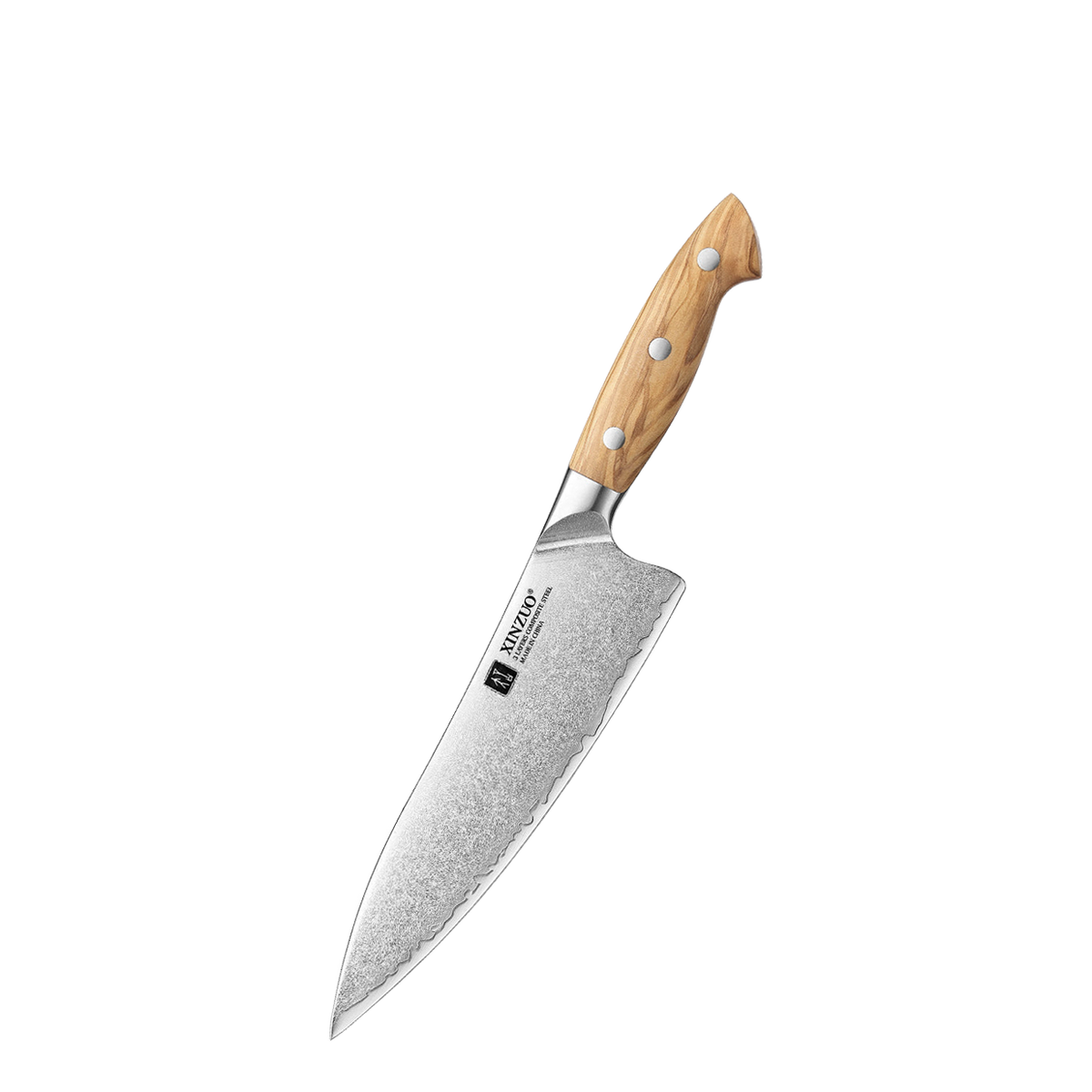
Chef Knives
The chef knife is the most versatile kitchen knife you can own, handling everything from rough chopping to fine dicing in a single blade.
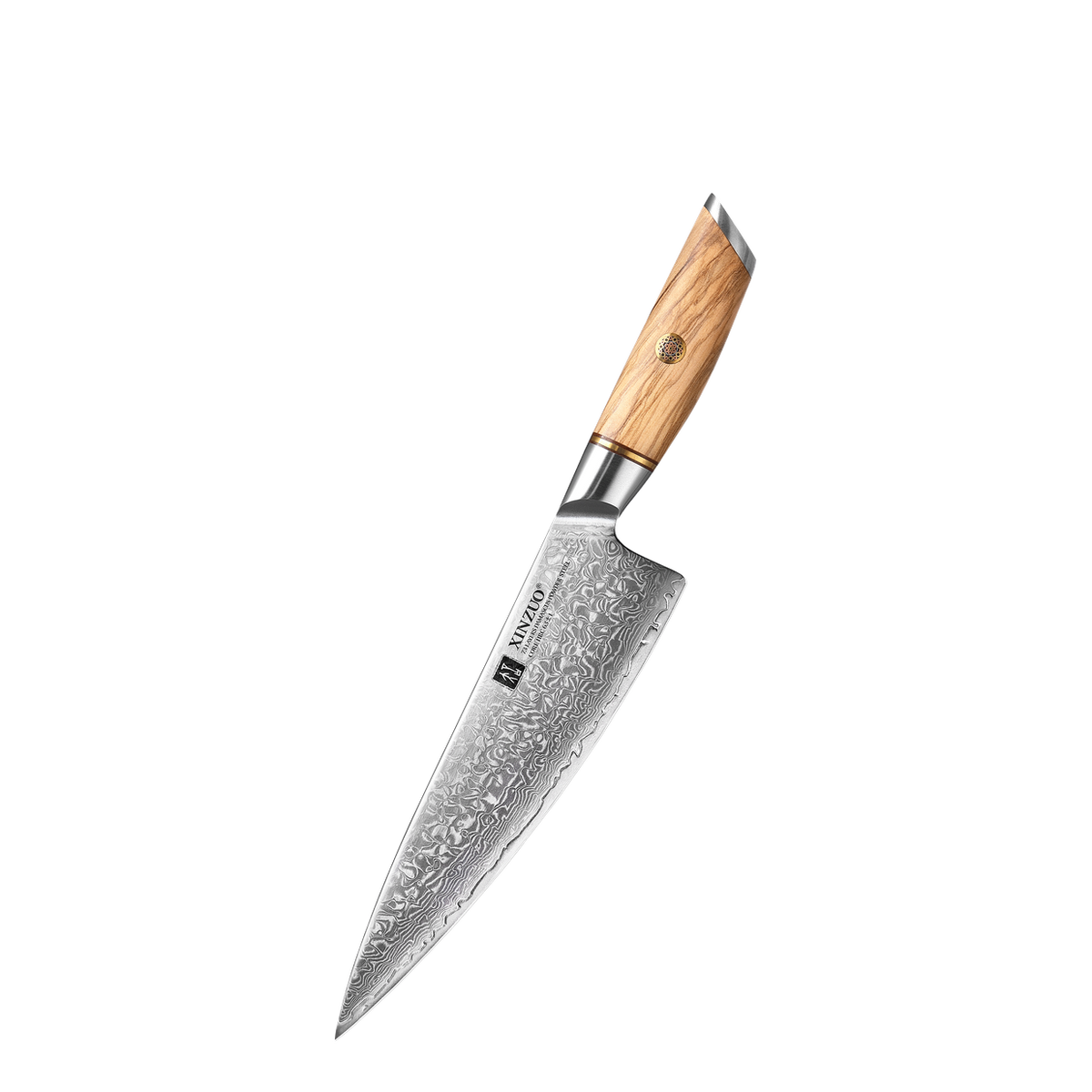
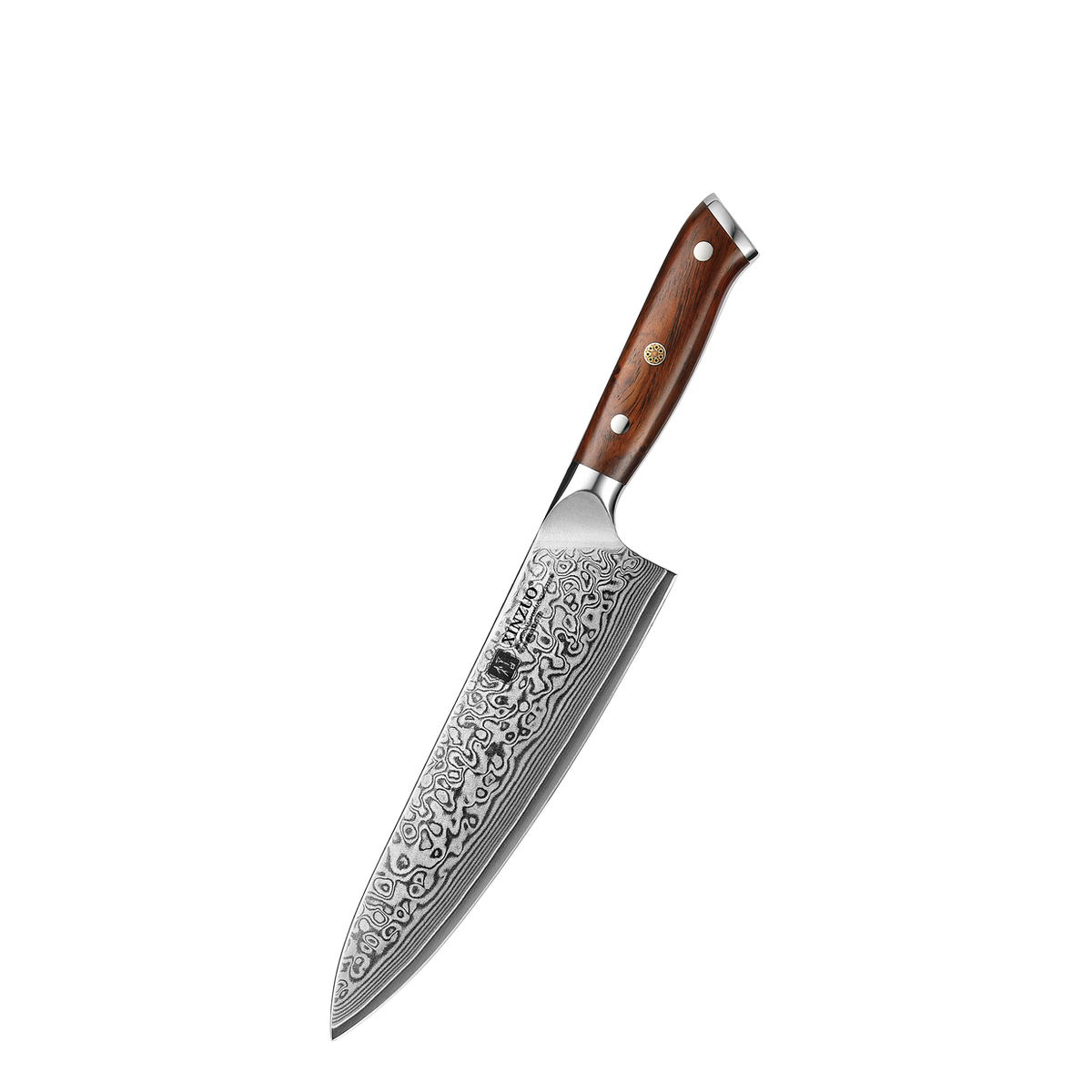
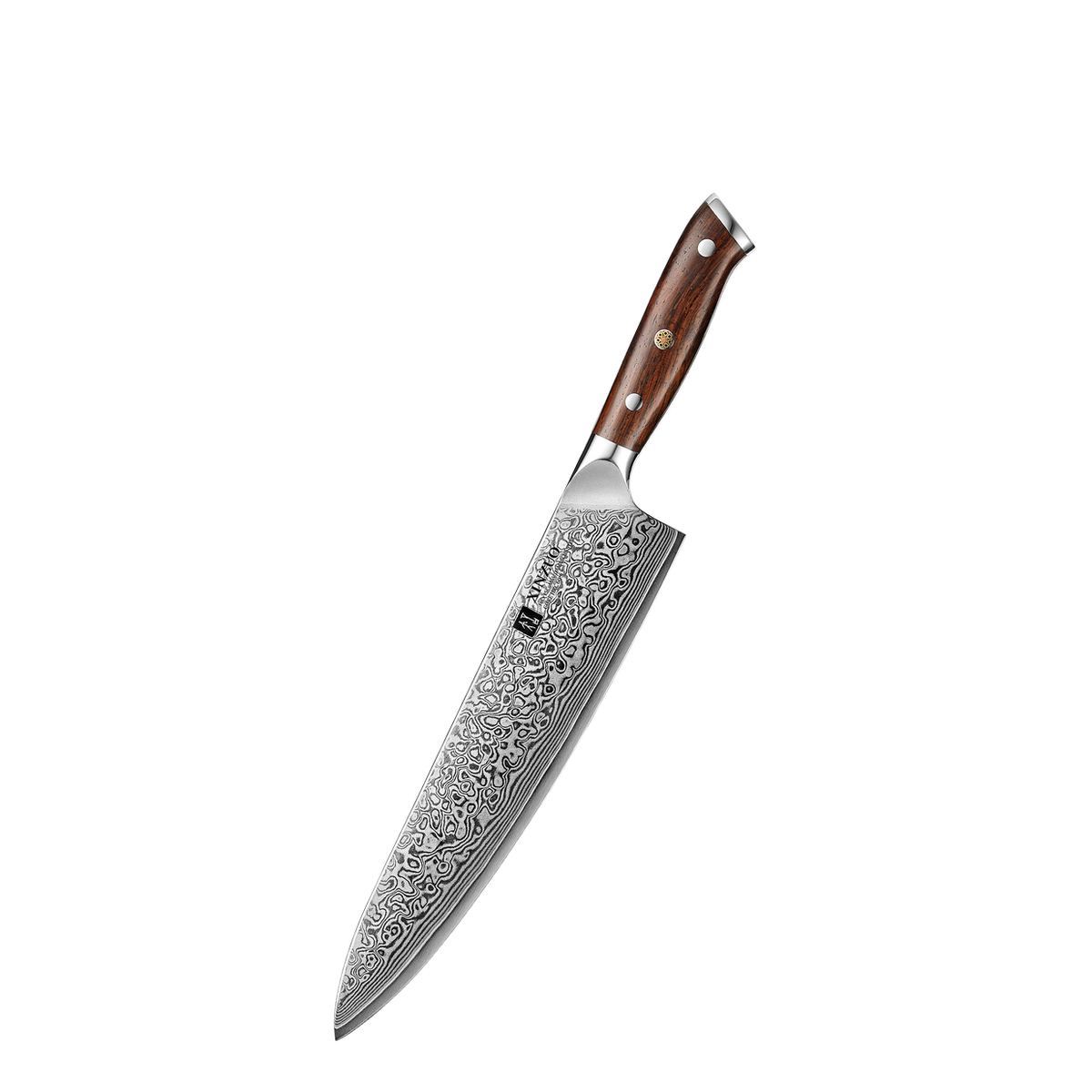
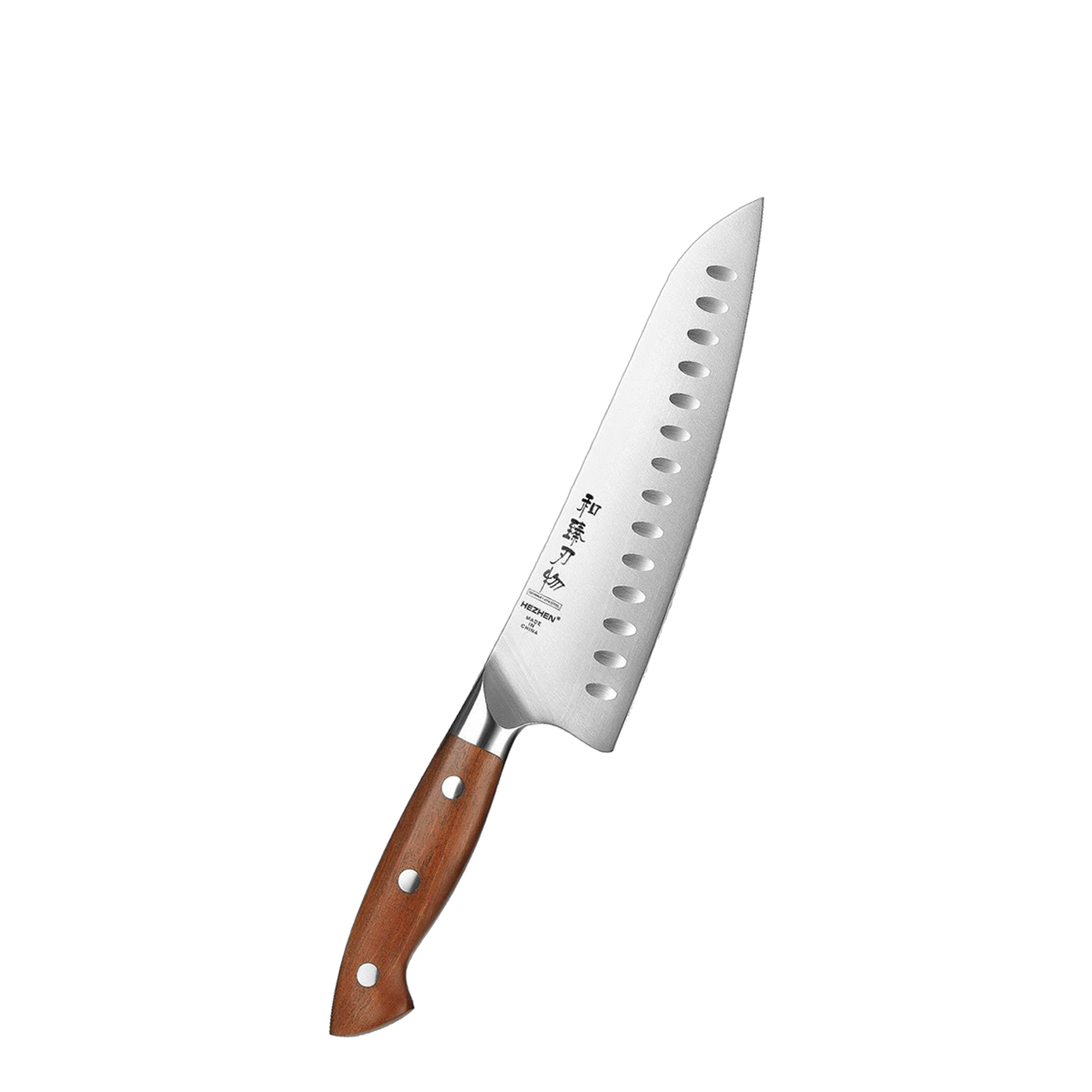
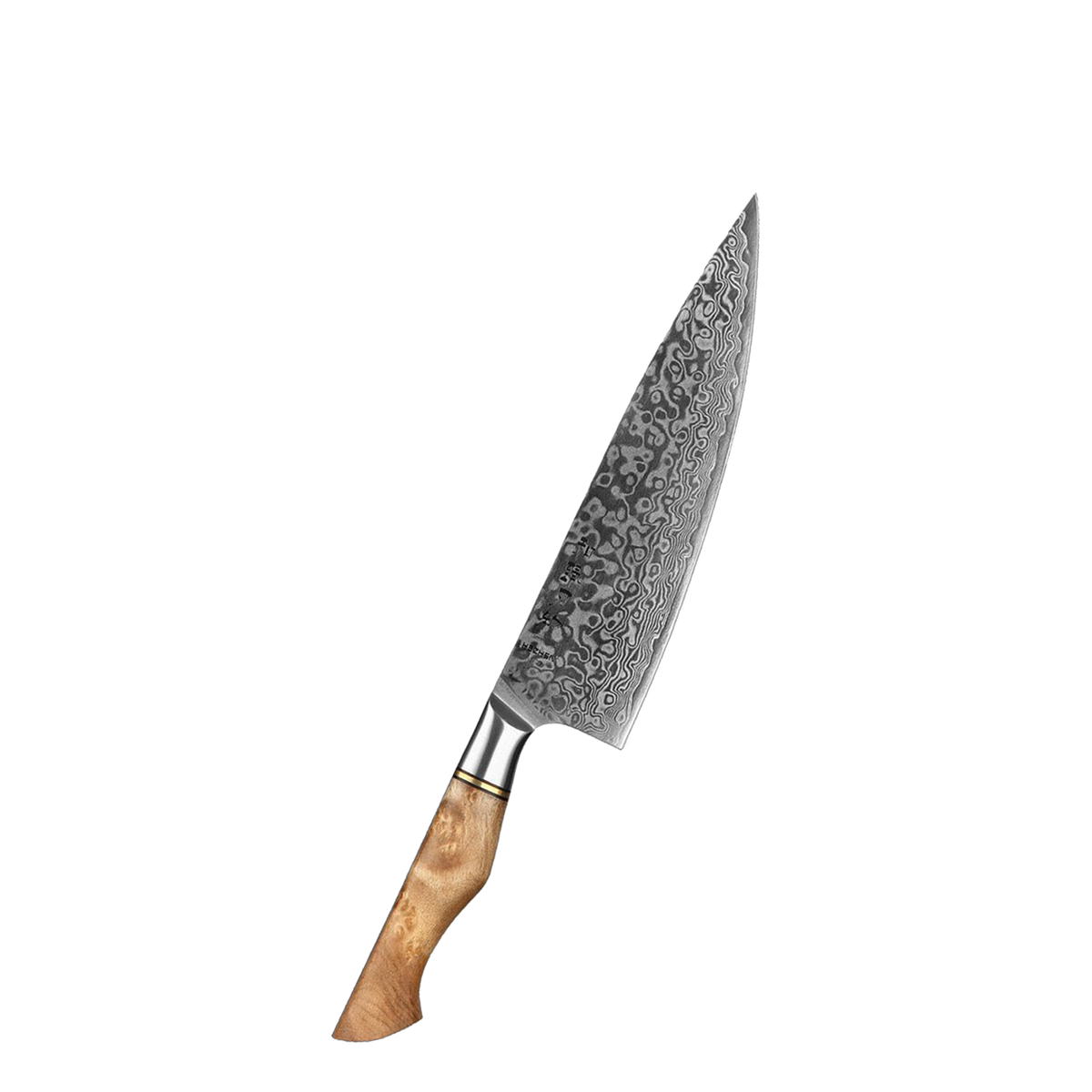
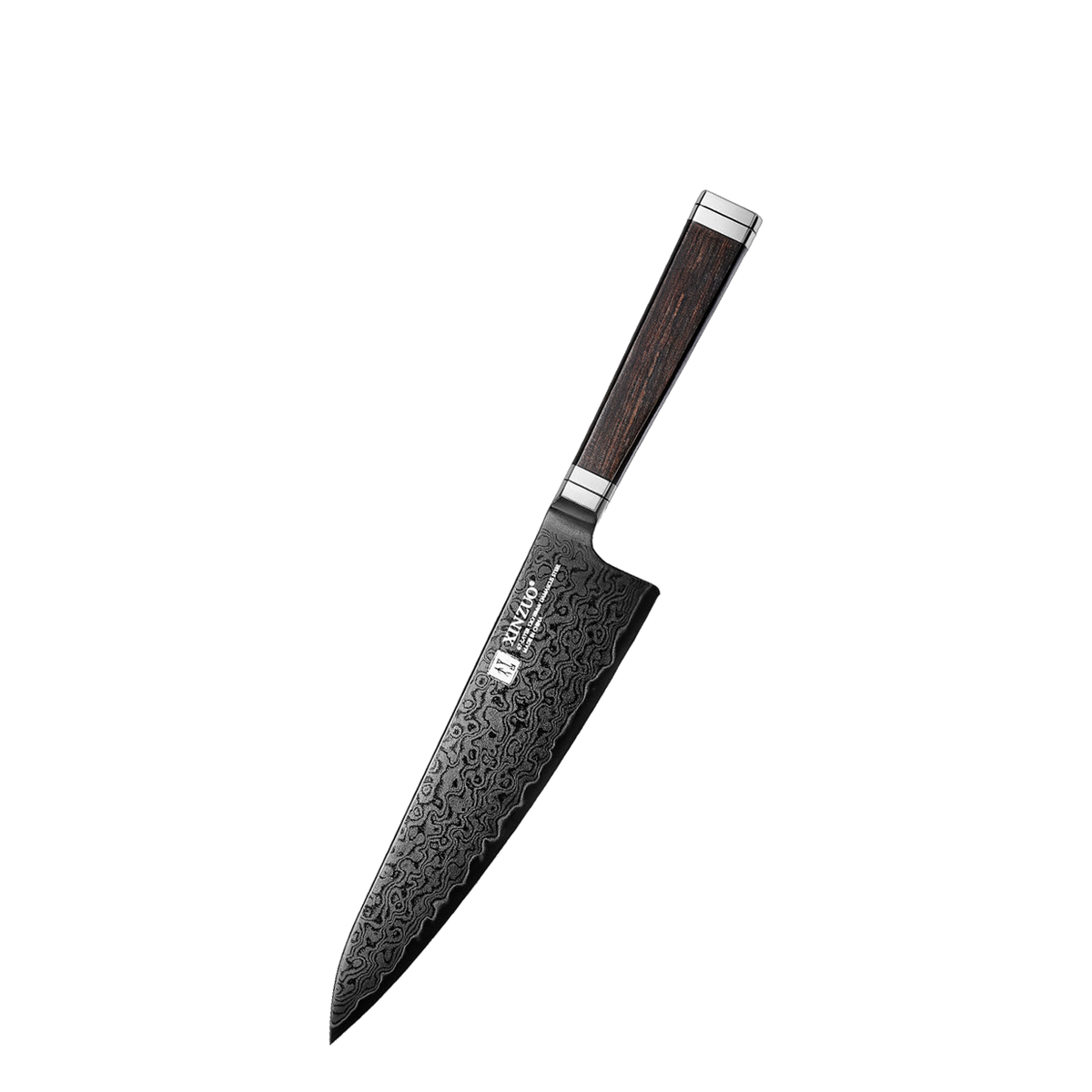
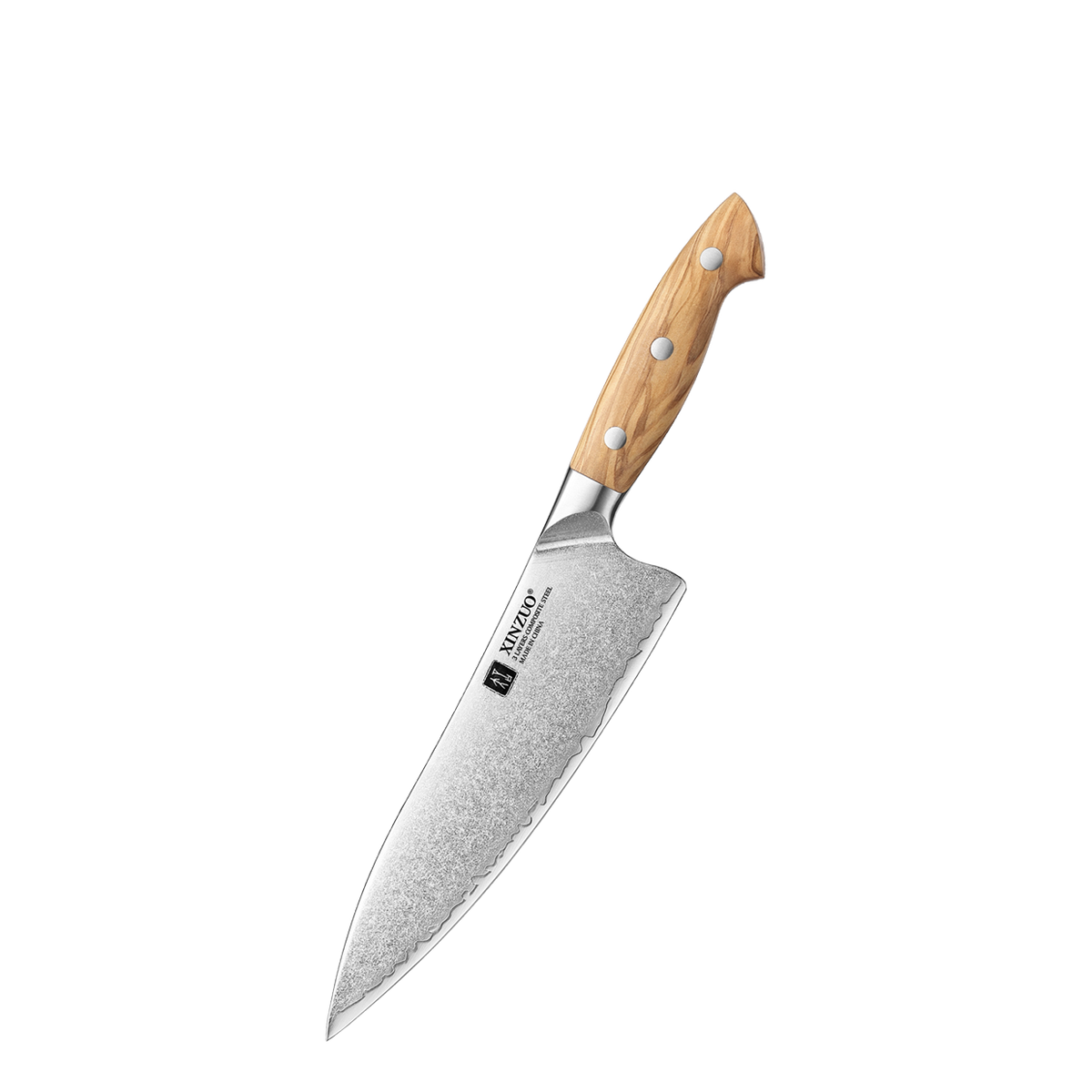
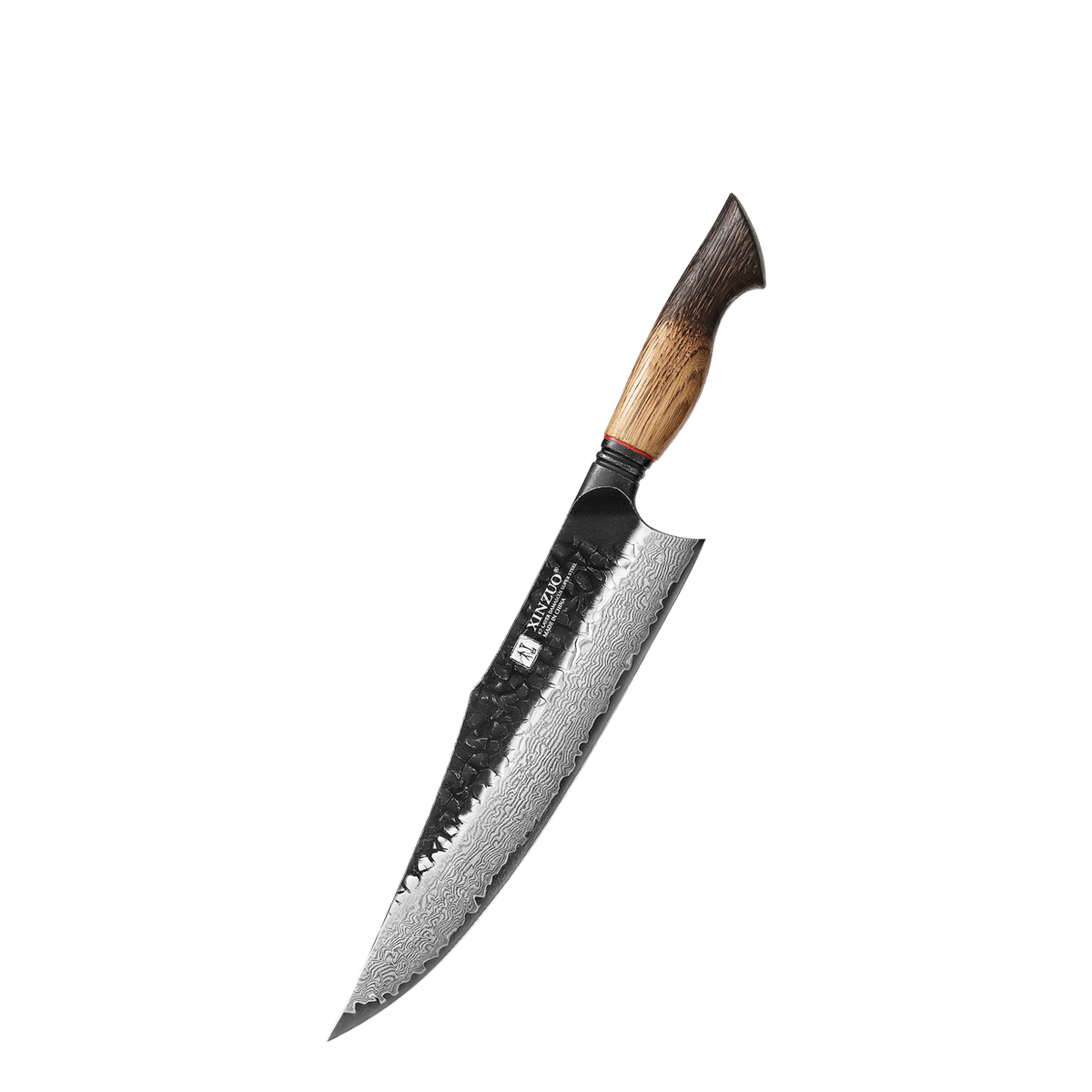
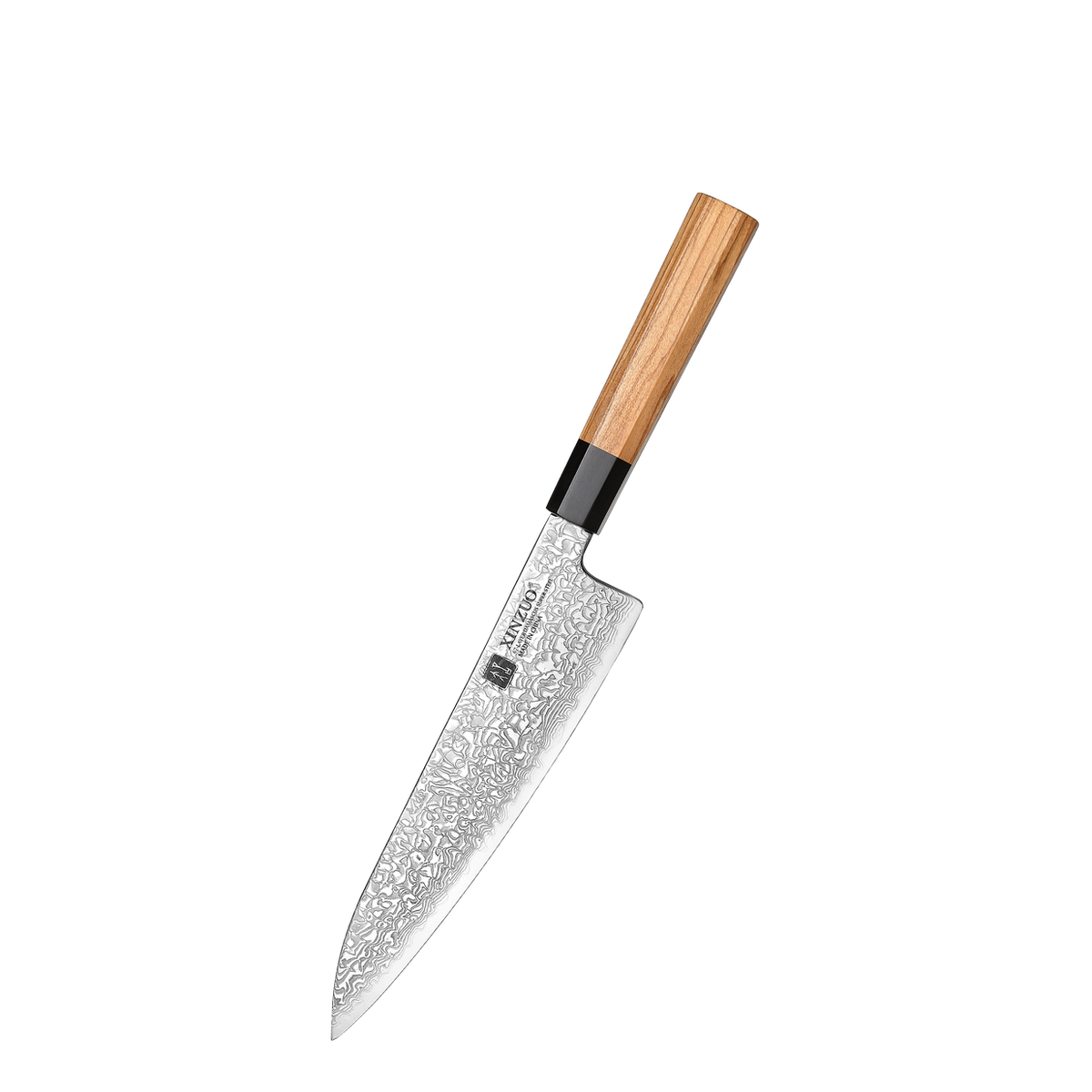
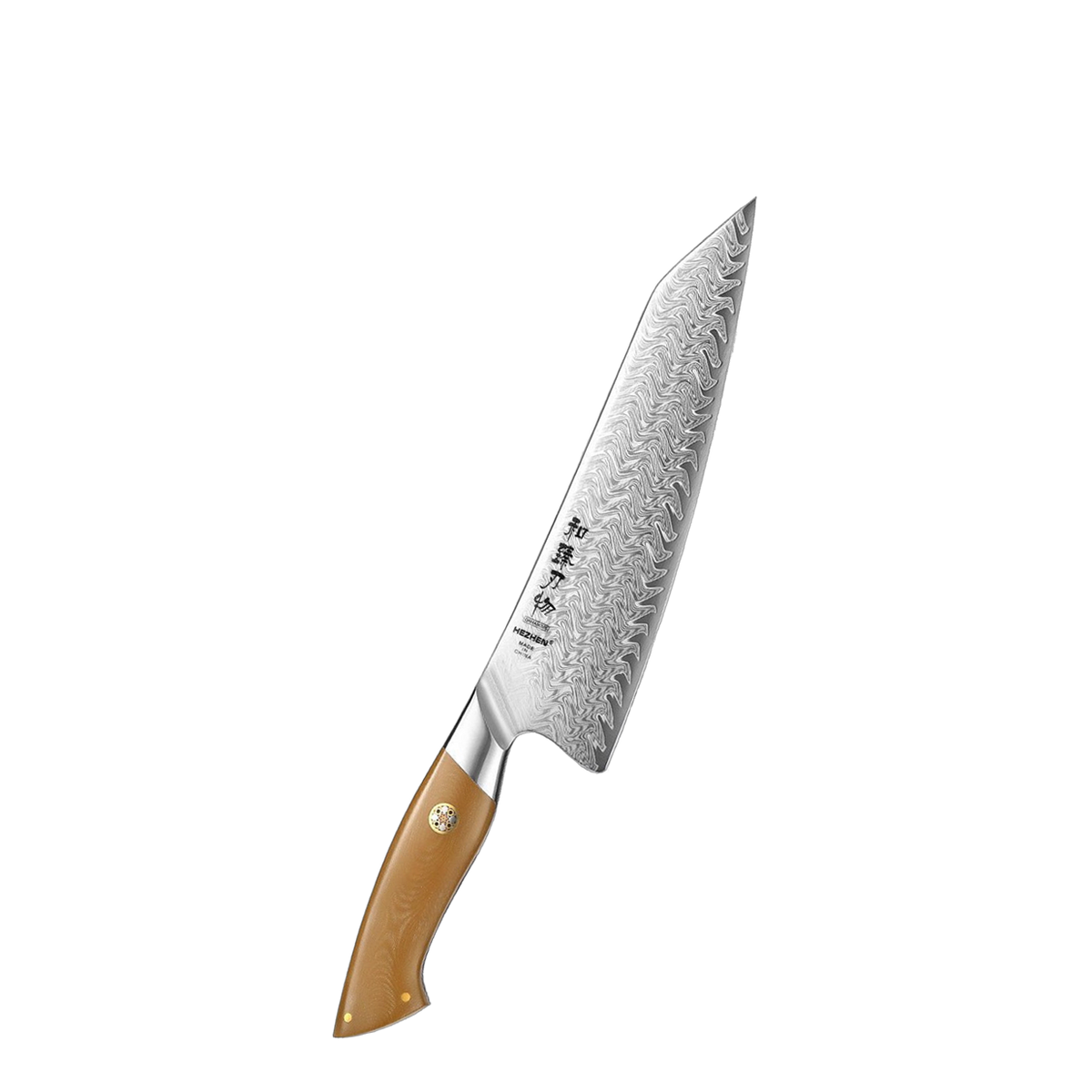
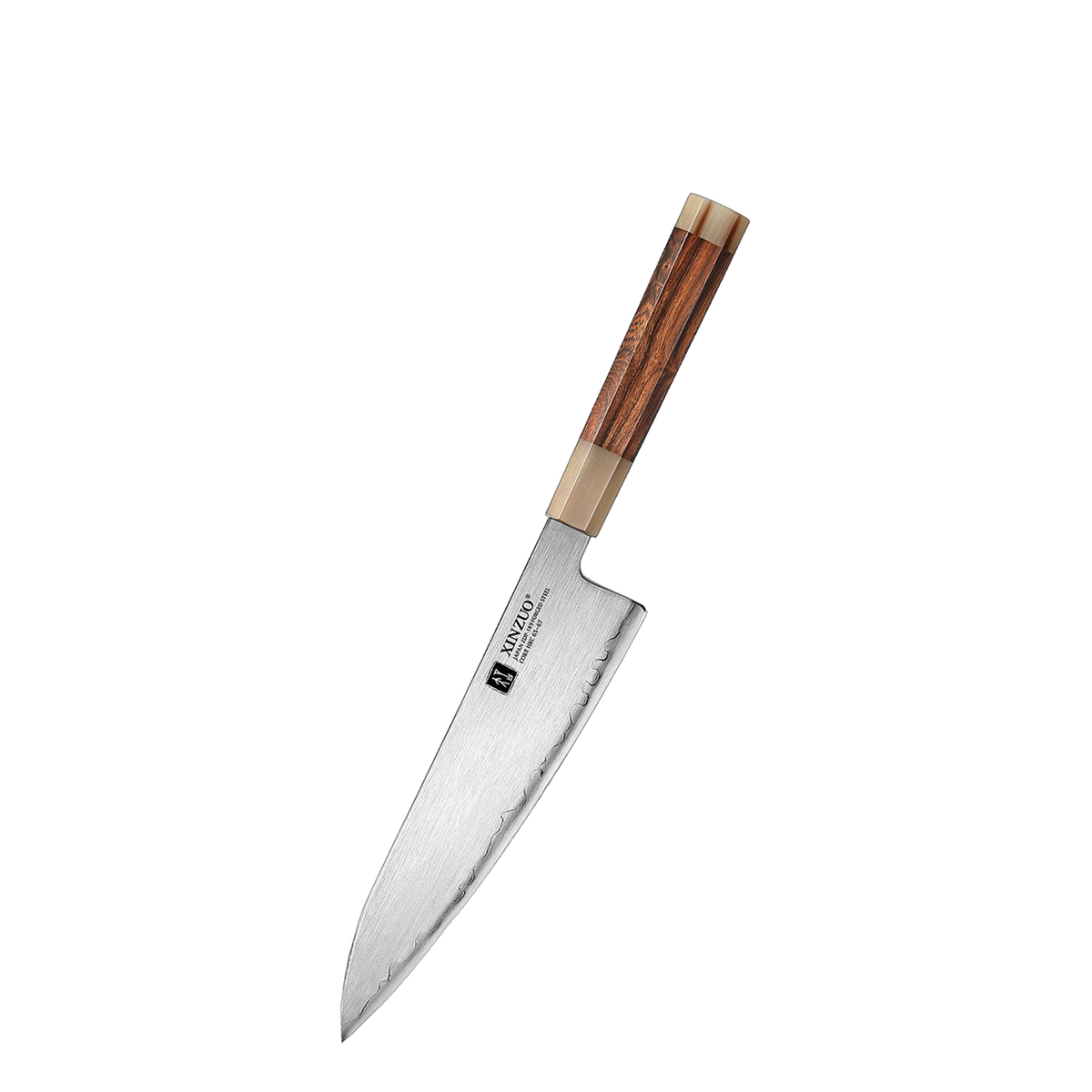
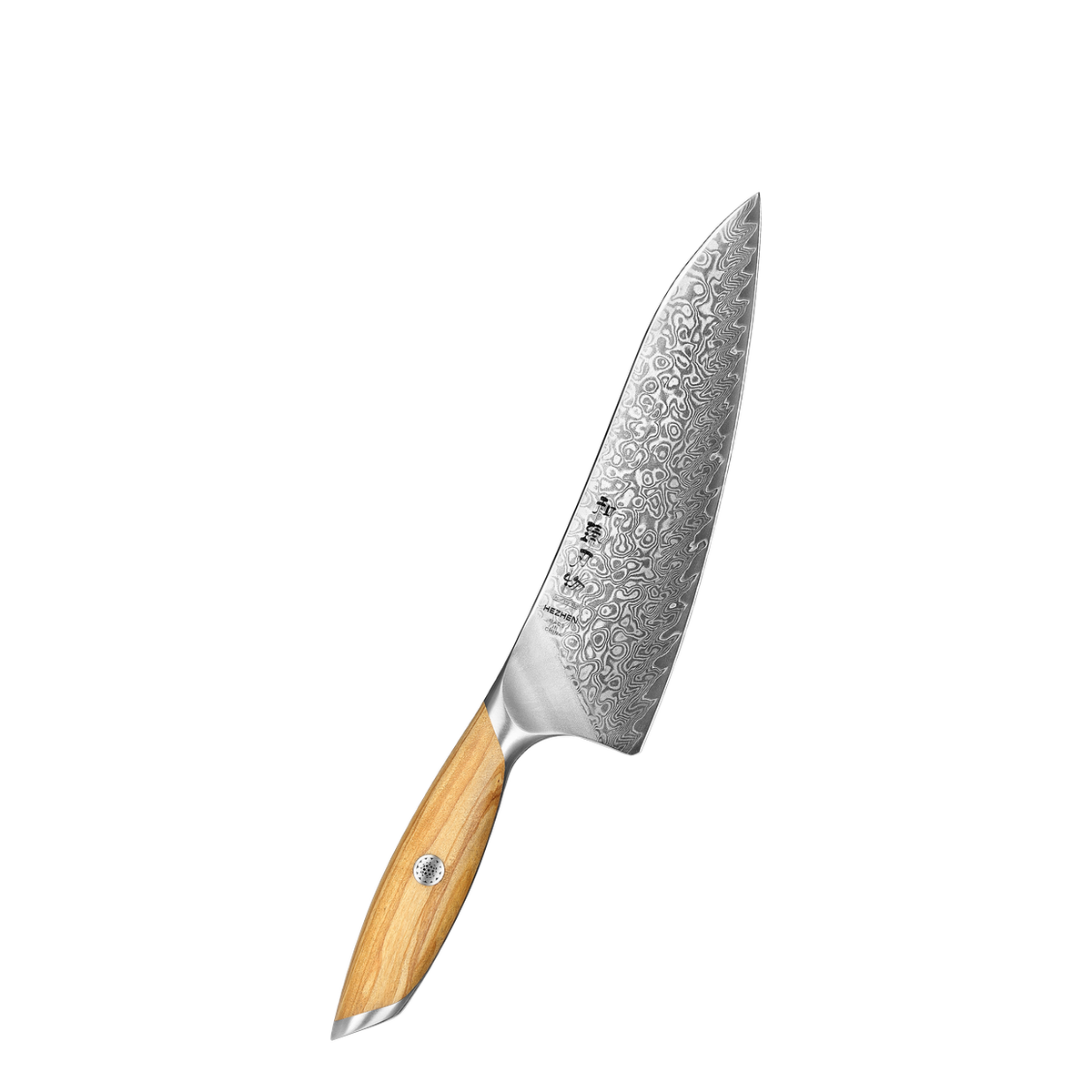
Xinzuo chef knives come in both Western-profile and Japanese-profile designs, with Damascus and German steel options to match your cooking style. Our Damascus chef knives feature 67-layer steel forged in Yangjiang, delivering the edge retention and visual appeal that serious cooks demand. Whether you prefer the heavier feel of German construction or the lighter precision of a Japanese gyuto, our chef knife collection has the right blade. Most Australian home cooks find an 8-inch chef knife covers 90% of their cutting tasks.
-
BEST
SELLER -
BEST
SELLER -
-
-
-
-
-
-
-
-
-
-
-
-
-
-
-
Choosing Chef Knives
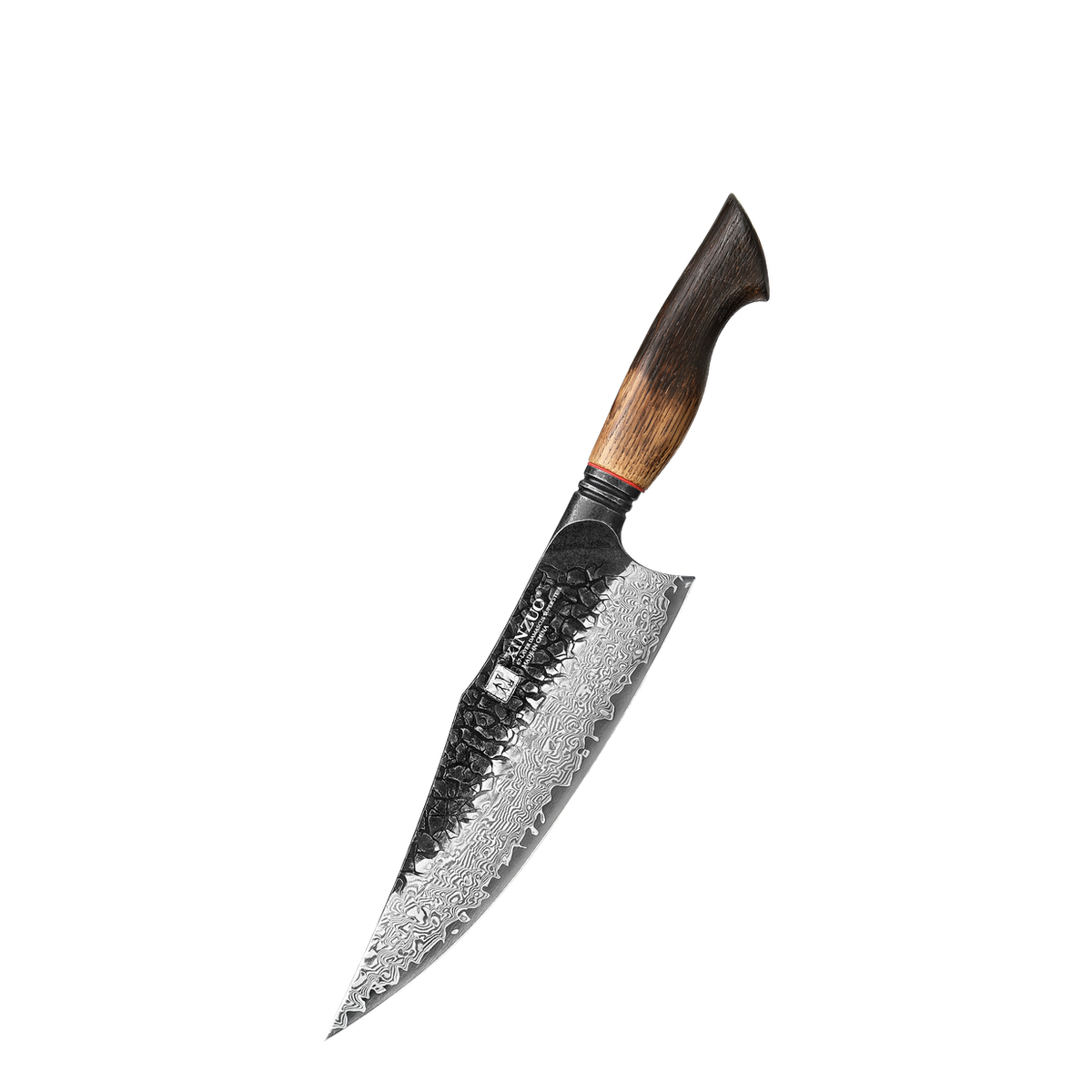
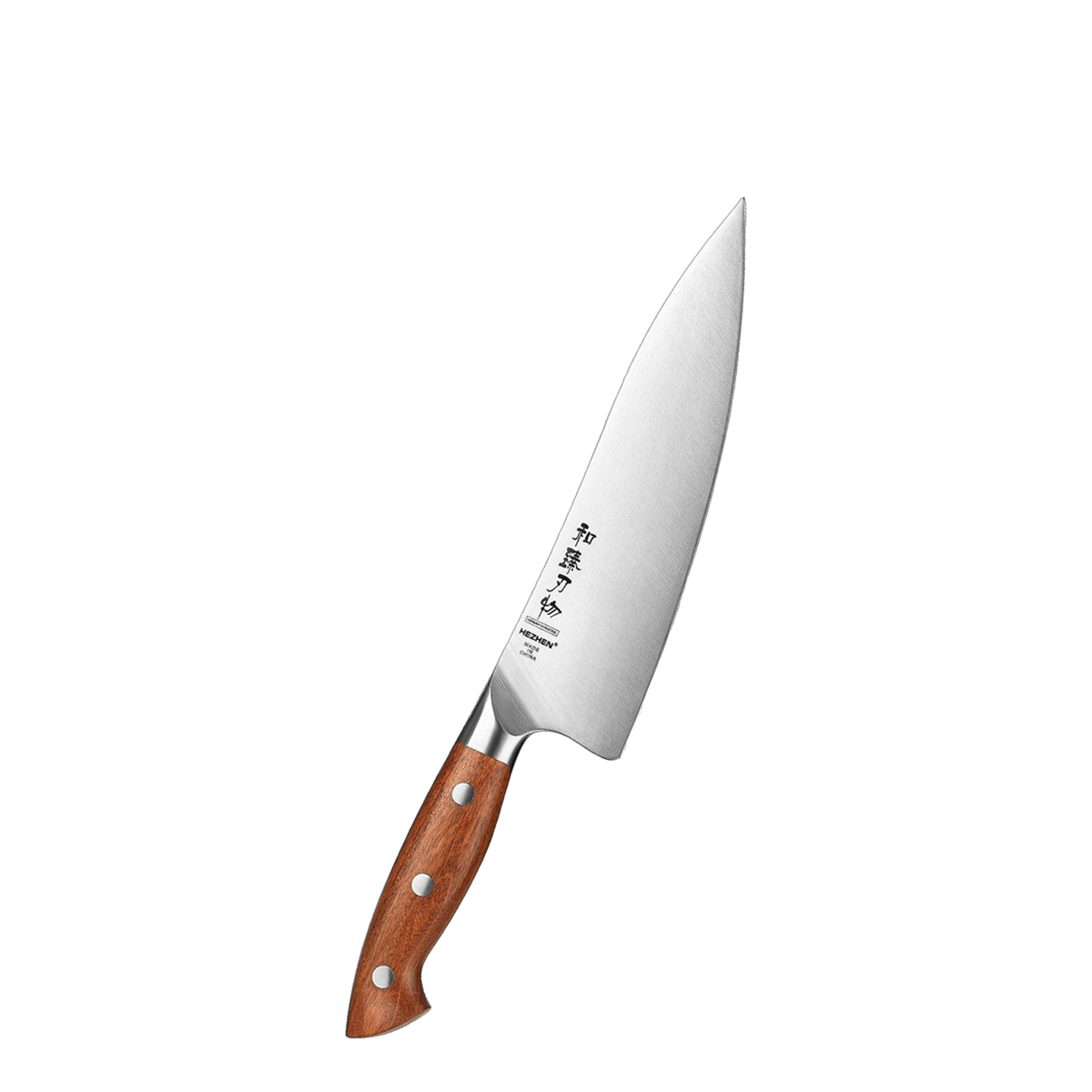
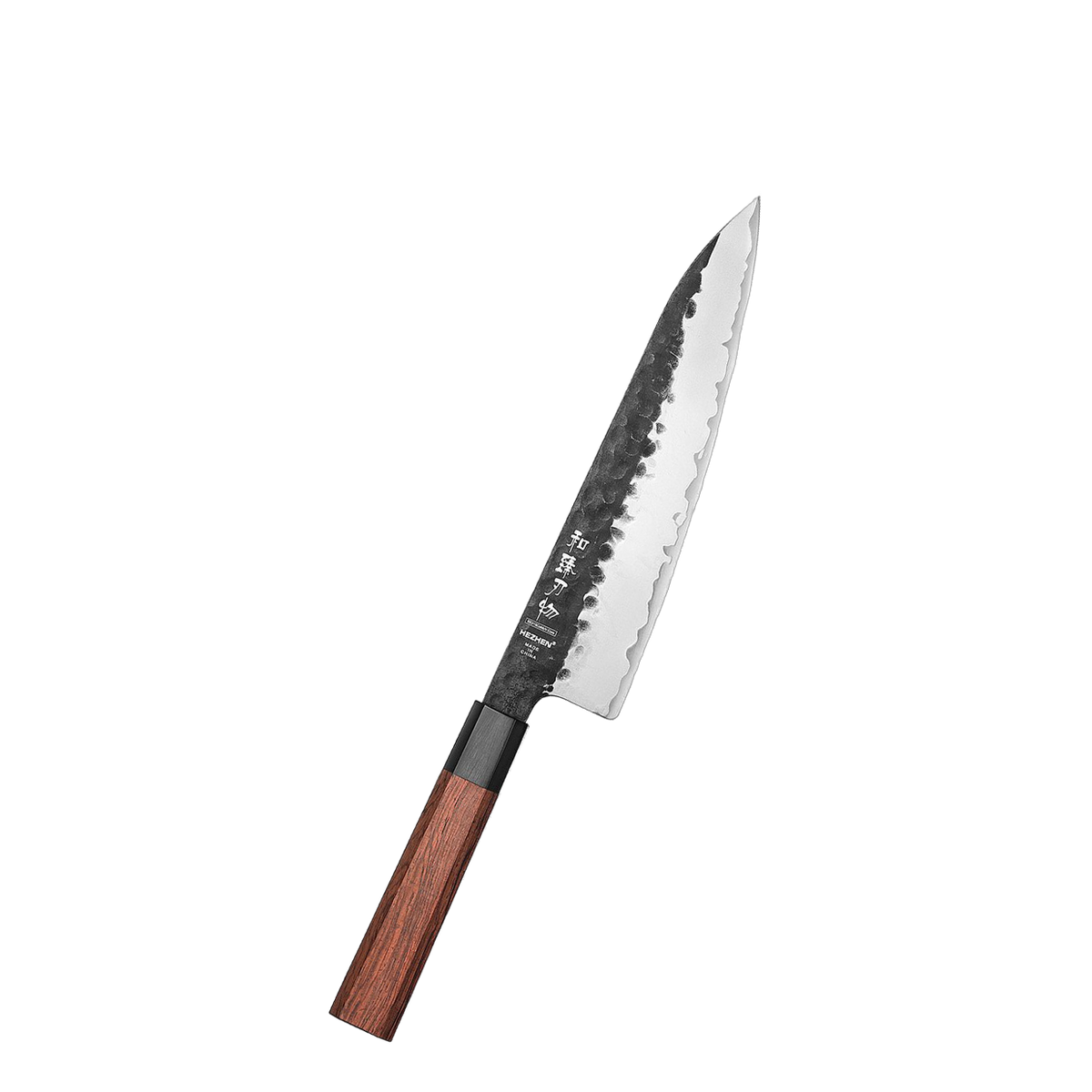
A chef knife is the backbone of any kitchen. Whether you are breaking down a whole chicken, mincing garlic, or slicing through dense root vegetables, a well-made chef knife handles roughly 90% of your cutting tasks. The broad, curved blade allows for efficient rocking motions, while the pointed tip manages precision work like scoring and trimming.
Choosing the right chef knife means balancing blade length, steel hardness, and handle comfort against your cooking style. Home cooks typically prefer 8-inch blades for manoeuvrability, while experienced cooks often move up to 8.5 or 10-inch blades for greater efficiency on larger cutting boards. High-carbon steels like 10Cr15CoMoV hold sharper edges longer than softer German-style steels, but they require more careful maintenance.
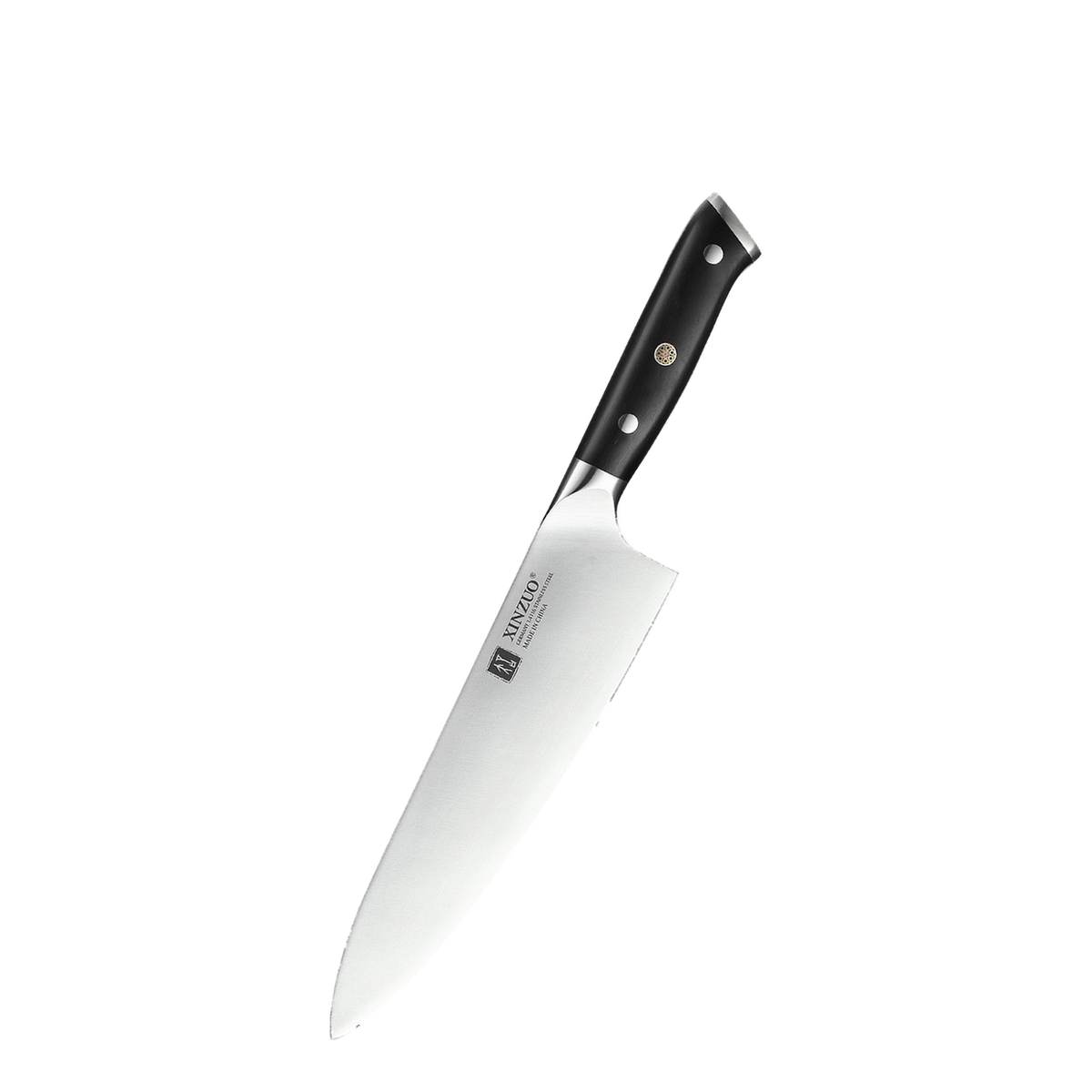
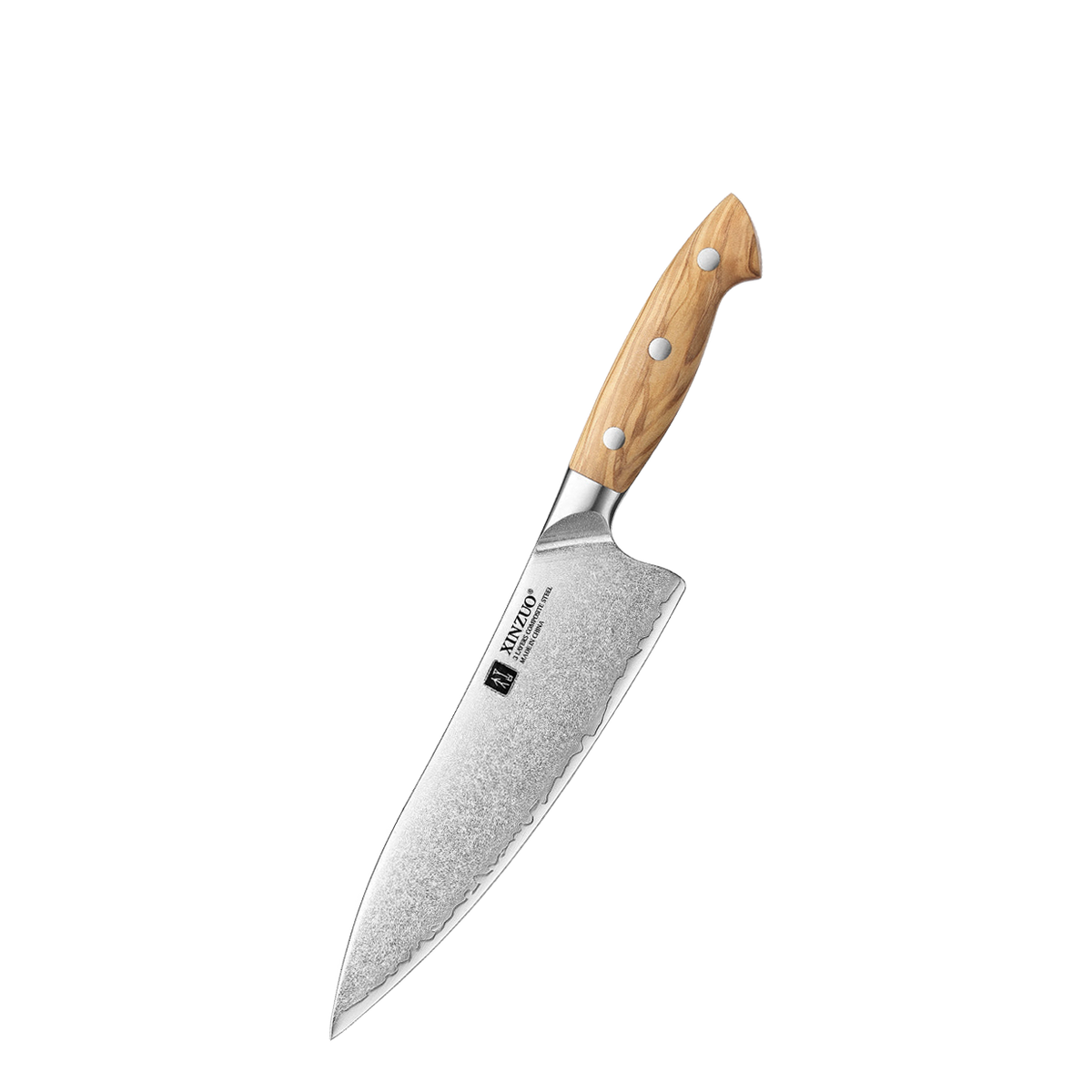
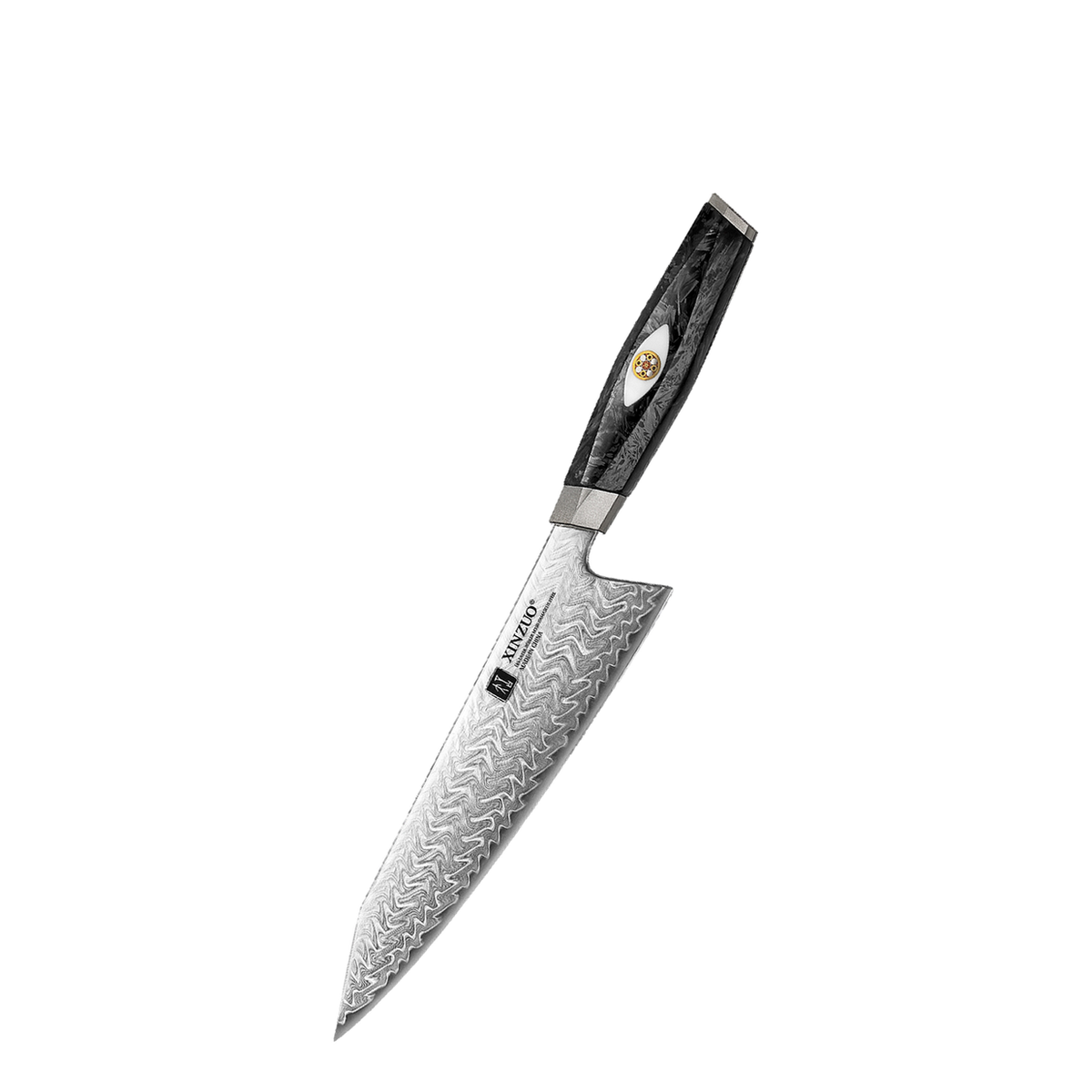
Our chef knives span several series, each built for different priorities. The Supreme Series delivers professional-grade performance in German-style stainless steel. The Mo Series pairs 67-layer Damascus cladding with a 10Cr15CoMoV core for striking aesthetics without sacrificing edge retention. For powder metallurgy performance, the Lan Series uses 14Cr14MoVNb steel rated at 62±2 HRC.
Choosing Your Chef Knife
Not sure where to start? Our complete chef knife buying guide walks through steel types, blade profiles, and handle preferences. If you're deciding between Western and Japanese styles, the santoku vs chef knife comparison clarifies the key differences. For those building a full set, see our guide on sets vs individual knives.
Browse also: Santoku Knives | Nakiri Knives | Best Starter Knives
Common questions
What steel are Xinzuo chef knives made from?
Xinzuo chef knives use a range of premium steels, mainly 10Cr15CoMoV, plus 14Cr14MoVNb powder steel, 12Cr18MoV, German 1.4116, M390 and ZDP-189 on selected series. The 10Cr15CoMoV core runs 58 to 62 HRC and is prized for a balance of edge retention, toughness and corrosion resistance. The 14Cr14MoVNb powder steel reaches up to 64 HRC, so it holds a keener edge for longer between sharpenings. Every blade is made in Yangjiang, China, giving Japanese-style performance without the price of an imported blade.
Chef knife or santoku: which one do I actually need?
Choose a chef knife if you want one blade that rocks through most tasks, and a santoku if you prefer a lighter knife for straight push cuts. The chef knife's curved belly and pointed tip suit a rocking motion, jointing and precision tip work, which is why it handles the majority of prep on its own. A santoku has a flatter edge and a shorter, more nimble profile that excels at fast up-and-down chopping of vegetables, herbs and boneless proteins. Many cooks own both, but if you buy one first, the chef knife is the more versatile starting point. Browse the range of santoku knives to compare the two.
How do I keep a Xinzuo chef knife sharp?
Hone the edge regularly with a sharpening rod and reach for a whetstone only when honing no longer restores the bite. Honing realigns the edge between full sharpenings rather than removing steel, so a few light passes keep the blade cutting cleanly. When the edge finally dulls, a 1000 grit then 6000 grit whetstone restores it; for our harder blades at 58 HRC and above, use a high-hardness rod rather than a cheap kitchen steel. Never put the knife in the dishwasher, as the heat and harsh detergent damage both the edge and the wooden handle. See our knife sharpening tools for rods and whetstones.
Is a Xinzuo chef knife covered by warranty?
Yes, every Xinzuo chef knife is backed by a lifetime warranty and is protected under Australian Consumer Law. Orders over $100 also ship free within Australia, so a single chef knife or a full set arrives without added freight cost. Wash the blade by hand, dry it straight away and store it somewhere dry, and a well-made chef knife will stay a reliable workhorse for many years.
More on Chef Knives
- Not sure where to start? Our complete chef knife buying guide walks through steel types, blade lengths, and handle options. Chef knife buying guide
- Damascus chef knife buying guide: understand pattern types, steel performance, and how to get the best value. Damascus chef knife guide
- German vs Japanese chef knives: which style suits Australian home cooks? A detailed comparison. German vs Japanese knives
- Keep your chef knife performing at its best with our step-by-step whetstone sharpening guide. Whetstone sharpening guide
- Interested in the Japanese approach? Our gyuto knives are the Japanese equivalent of the chef knife, with thinner, harder steel. Shop Gyuto Knives
- Prefer a shorter, lighter knife? Browse our santoku knives for a more agile alternative. Shop Santoku Knives


