


The Japanese Chef Knife
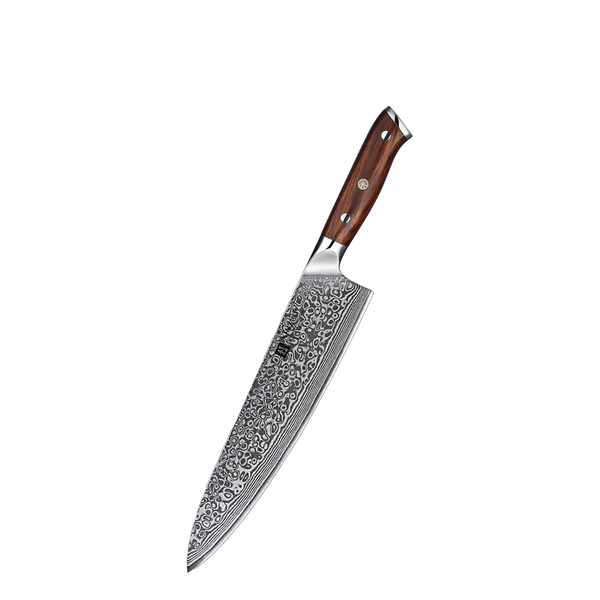
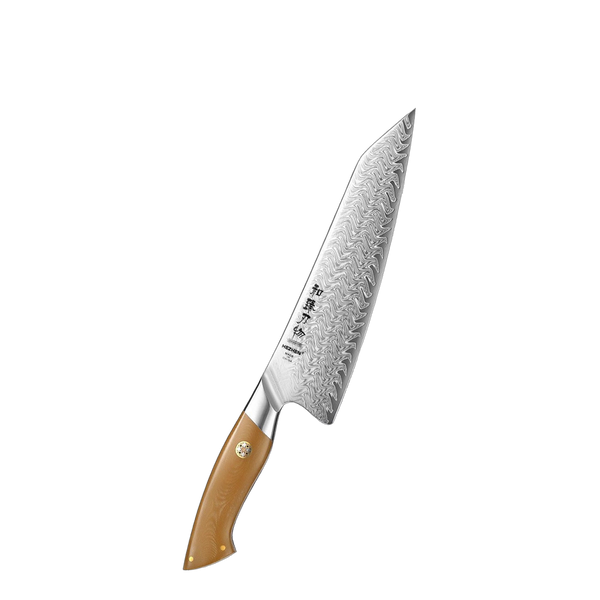
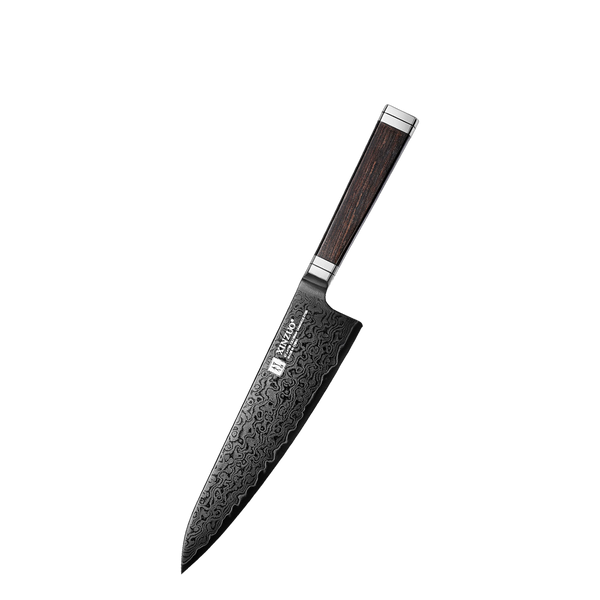
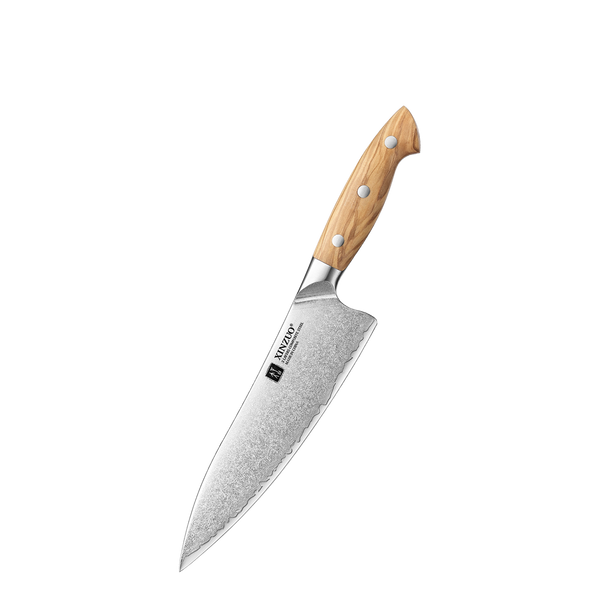
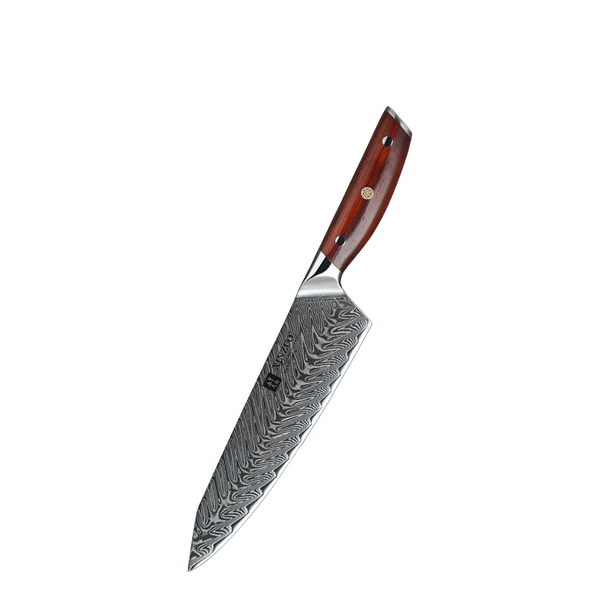
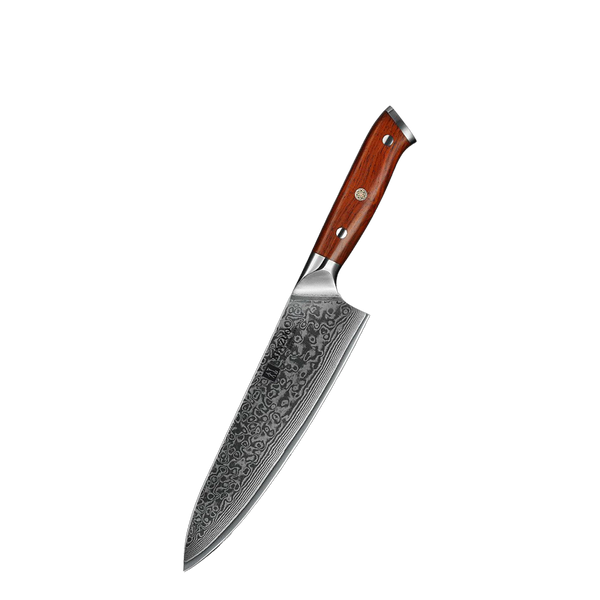
The gyuto knife is Japan's answer to the Western chef knife. Thinner, lighter, and ground to a sharper 15-degree angle, the gyuto delivers precision cuts that heavier European blades struggle to match. Australian home cooks increasingly choose gyuto knives for everyday prep because they slice with less effort and hold their edge longer. XinZuo gyuto knives feature 67-layer Damascus steel with a 10Cr15CoMoV core, forged in Yangjiang to hardness levels that German steel cannot reach. If you want one kitchen knife that handles everything from vegetables to proteins, the gyuto is the professional's choice. For a shorter alternative, consider the santoku.
Filters


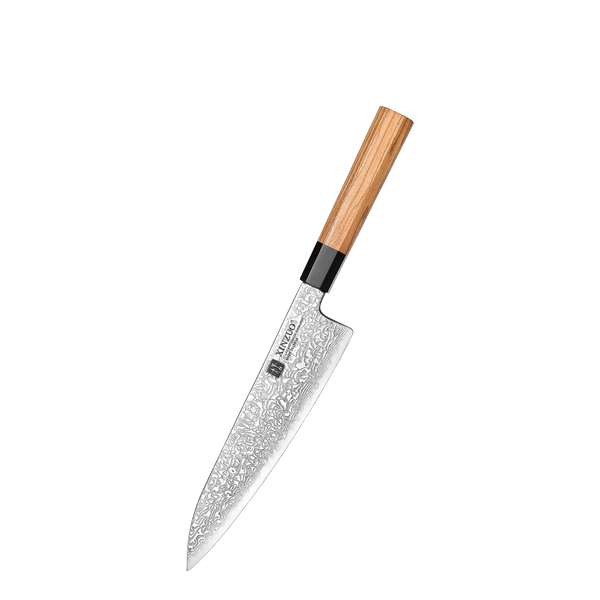
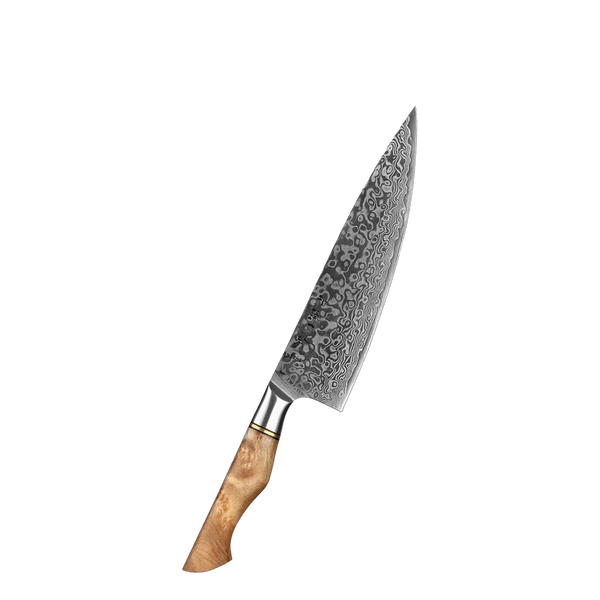
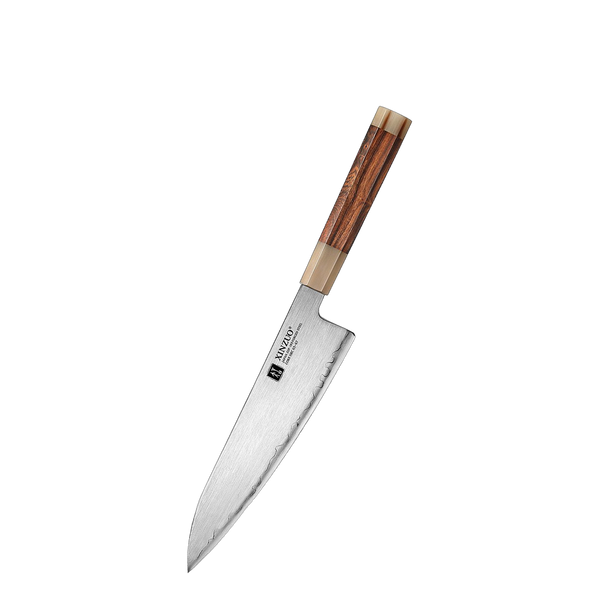
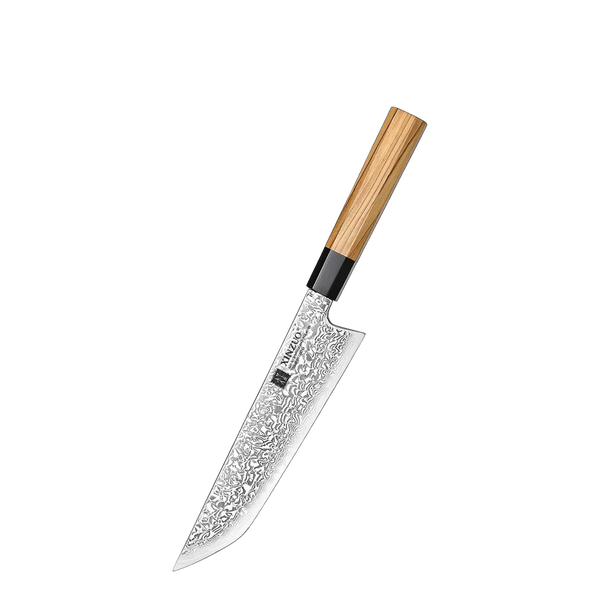
Learn more about gyuto knives
Gyuto vs santoku vs Western chef knife: understand the differences in blade geometry, steel, and cutting technique. Santoku vs Chef Knife comparison
The gyuto is the Japanese equivalent of the chef knife. See where it fits among all Japanese knife types. Japanese knife types explained
German vs Japanese kitchen knives: a detailed comparison of steel types, blade angles, and maintenance for Australian home cooks. German vs Japanese knives
Japanese gyuto knives need sharpening at 15 degrees. Learn the proper whetstone technique in our step-by-step guide. Whetstone sharpening guide
Browse our full chef knife range including both Western-profile and Japanese-profile blades. Shop Chef Knives
Prefer a shorter, lighter blade? The santoku knife is the gyuto's more compact cousin. Shop Santoku Knives