Japanese Kitchen Knives
Japanese knives are ground thinner, sharpened to a steeper angle, and forged from harder steel than their Western counterparts.
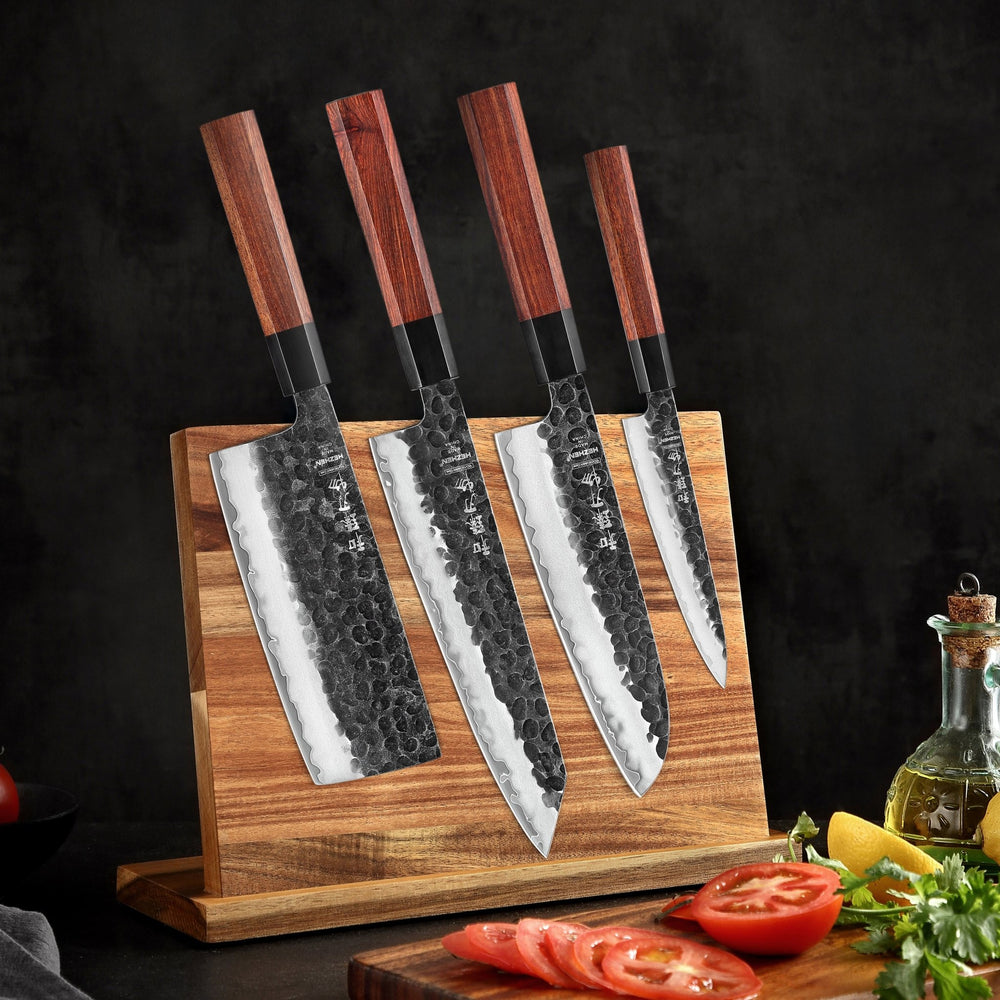
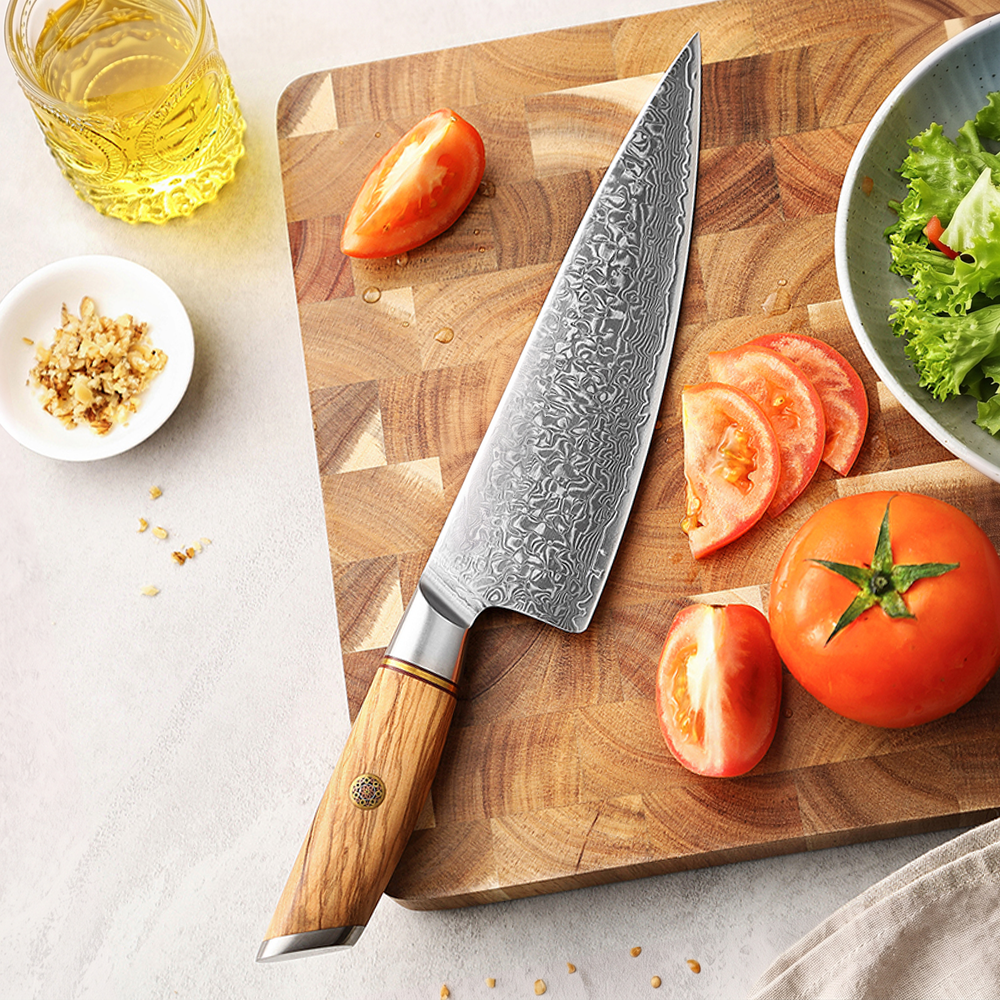
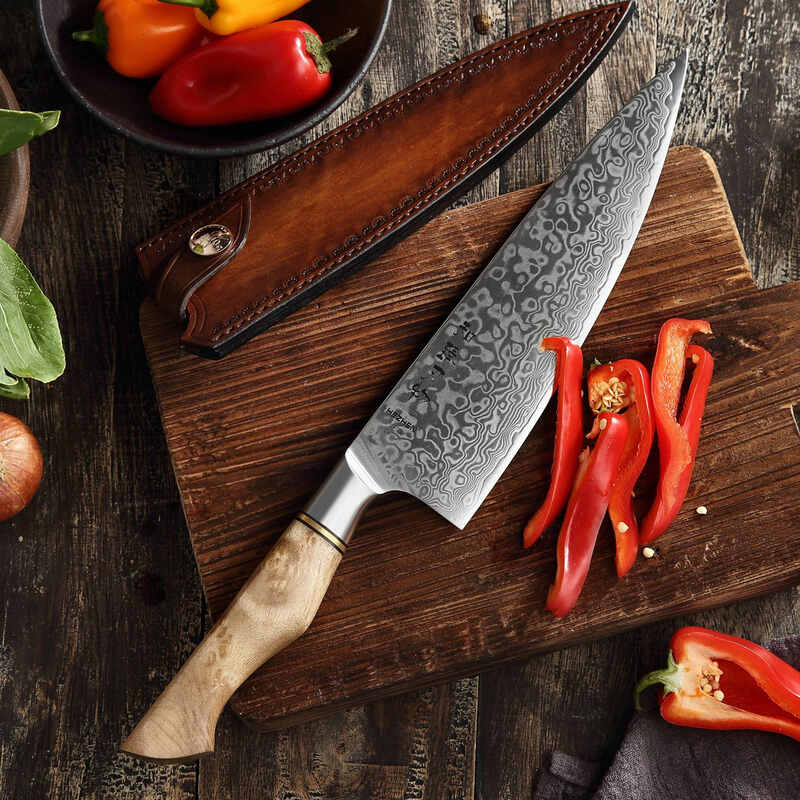
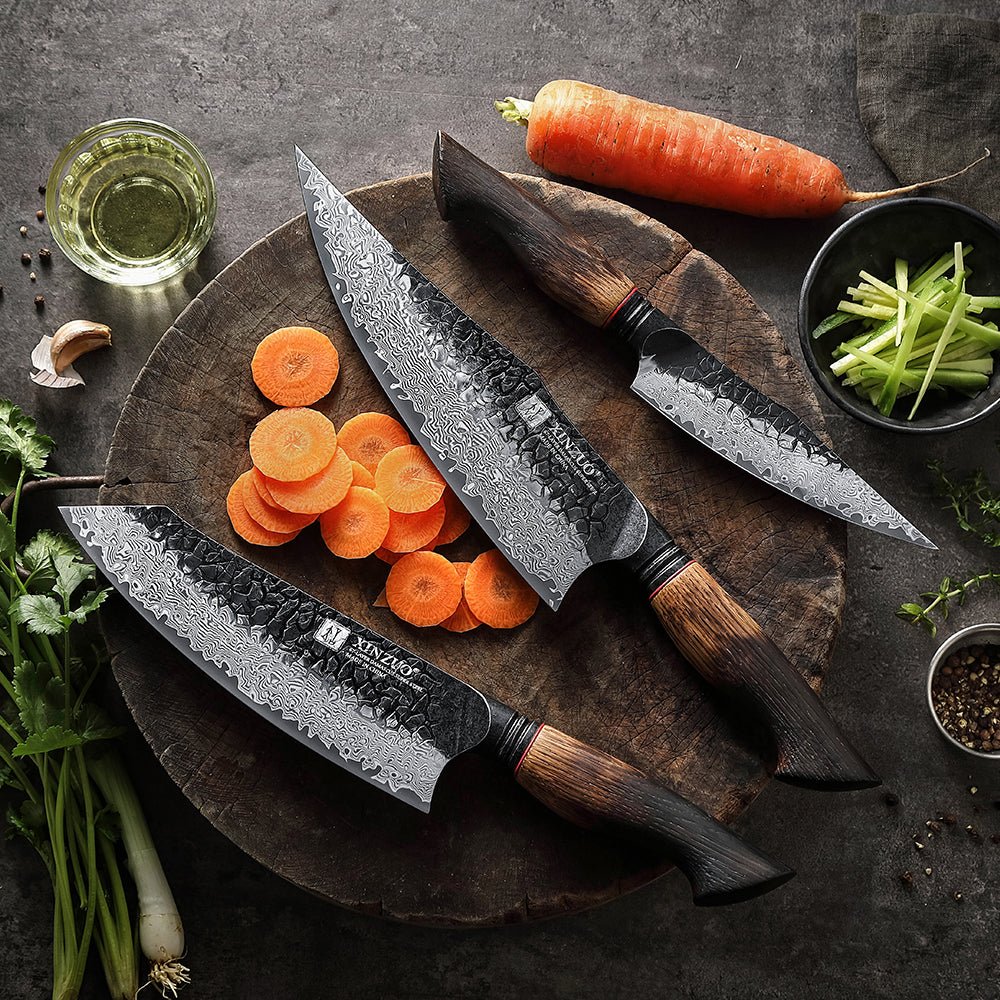
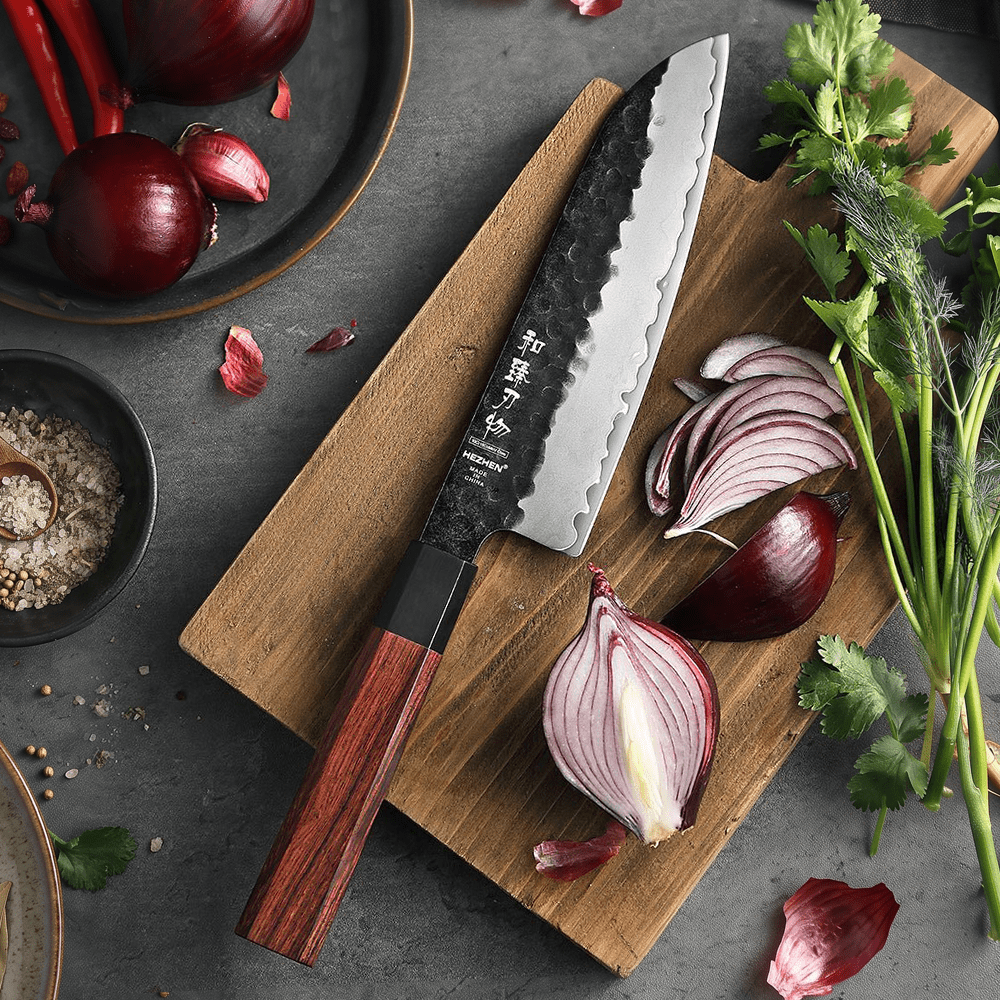
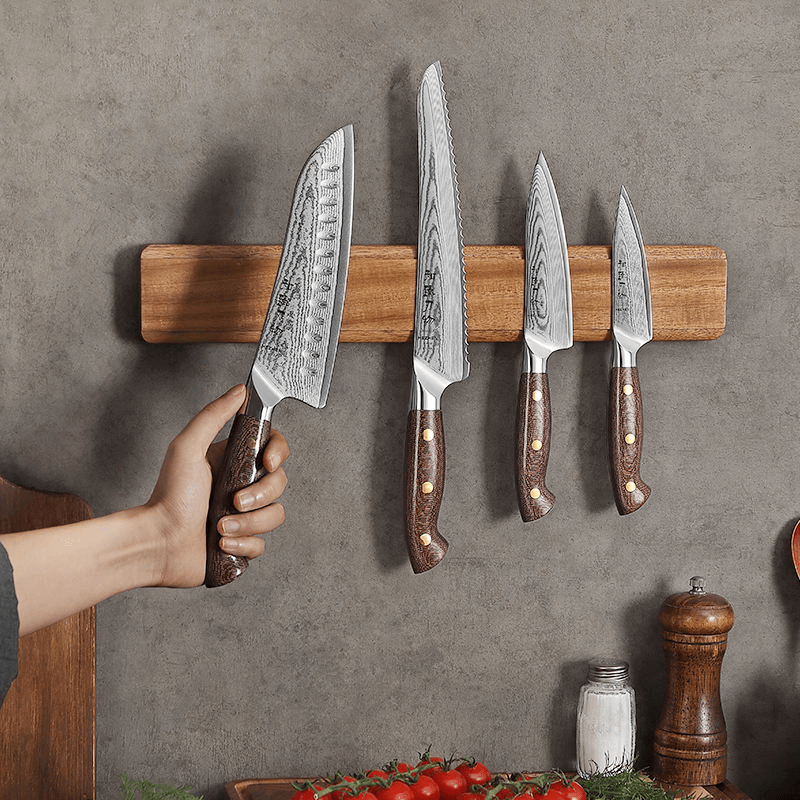
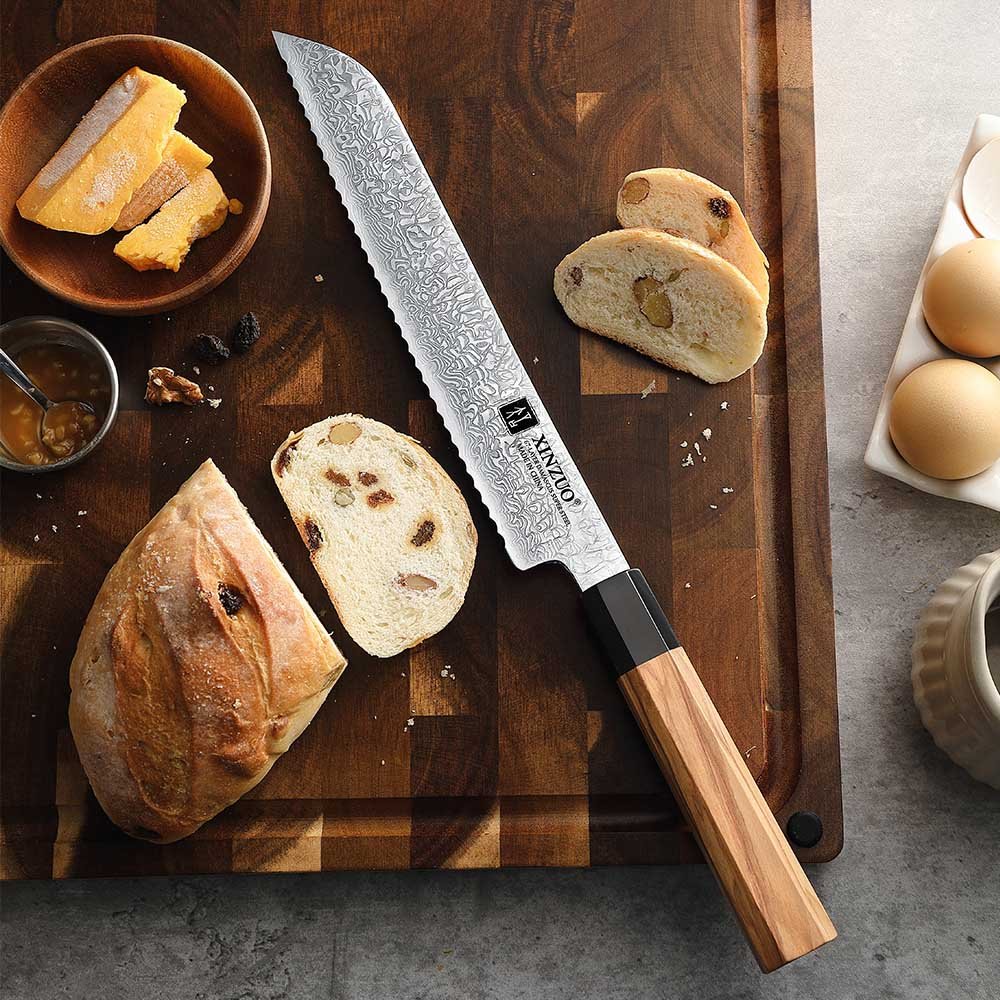
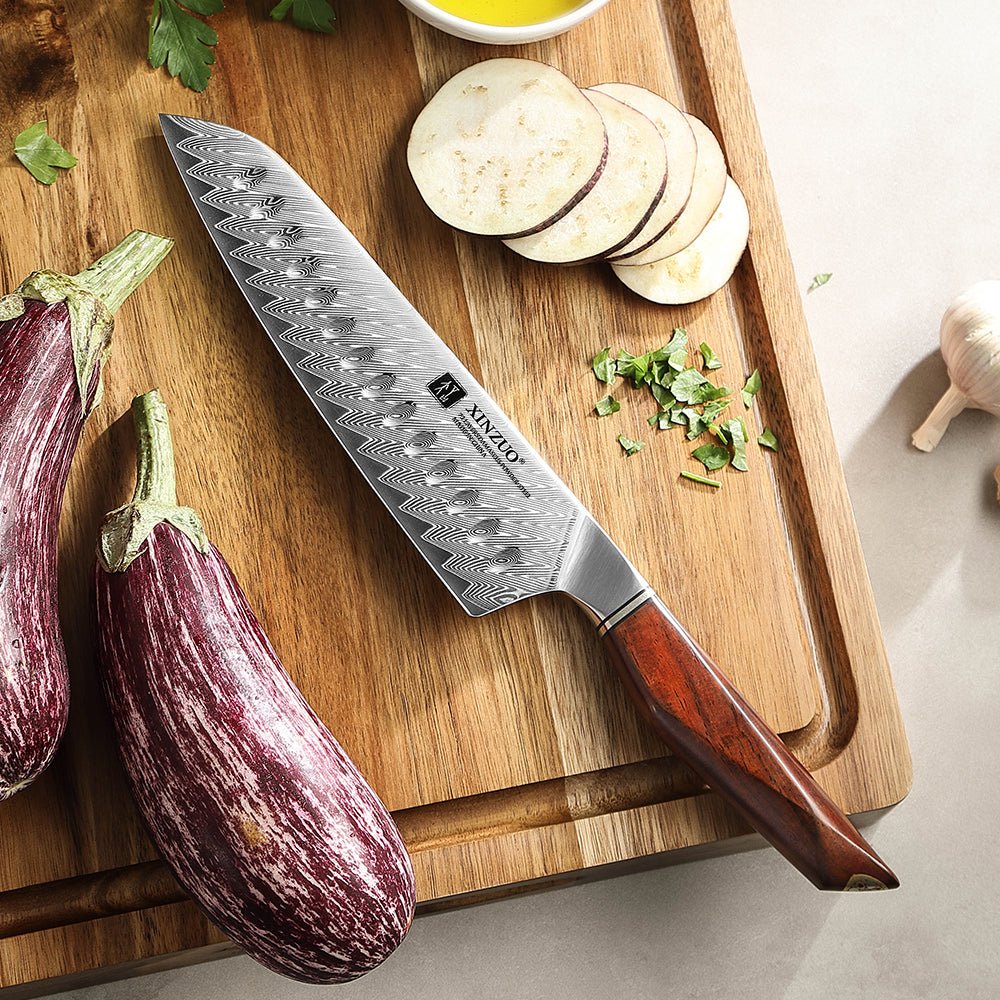
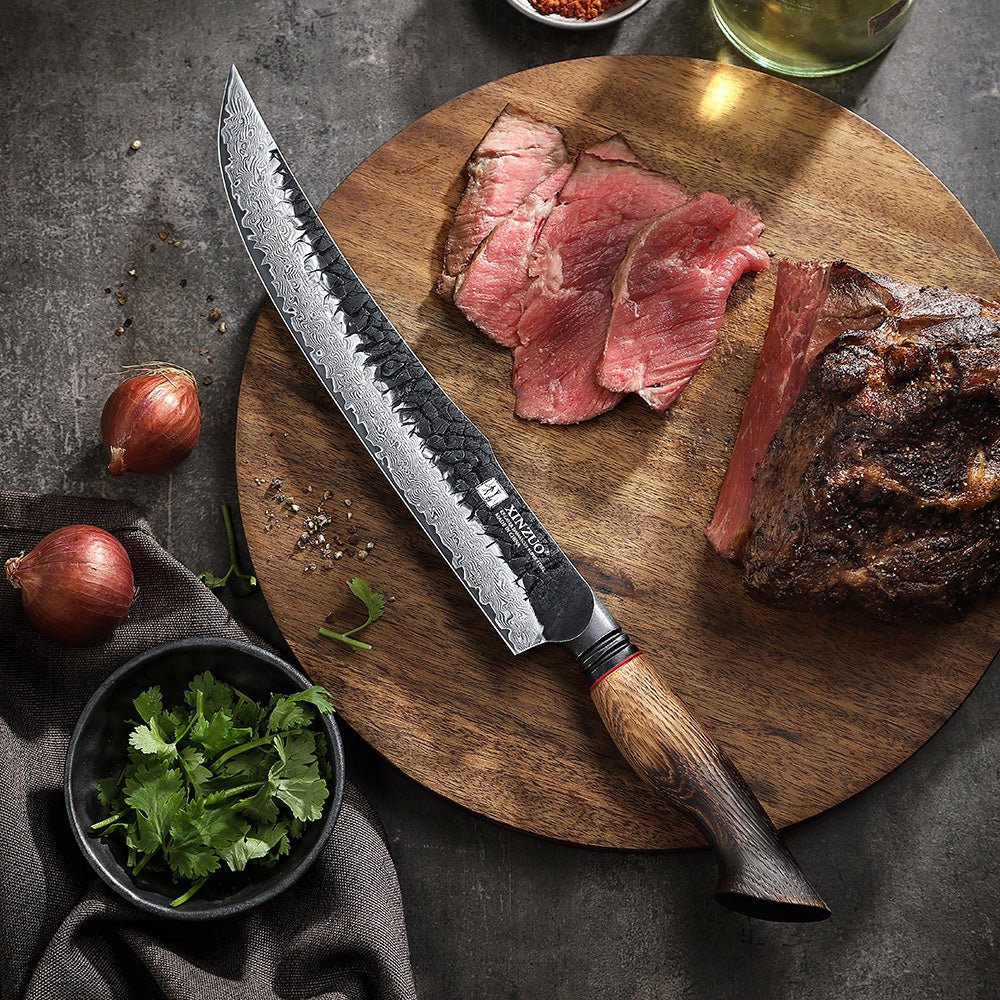
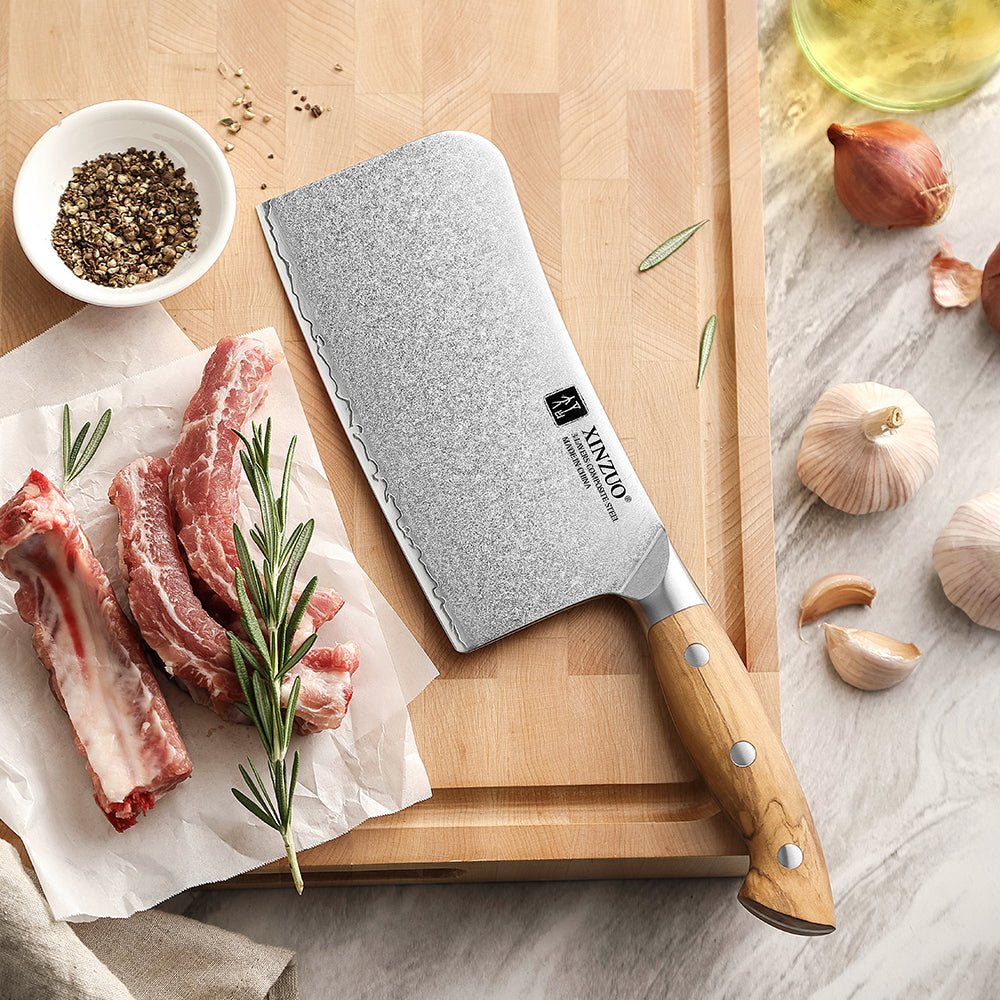
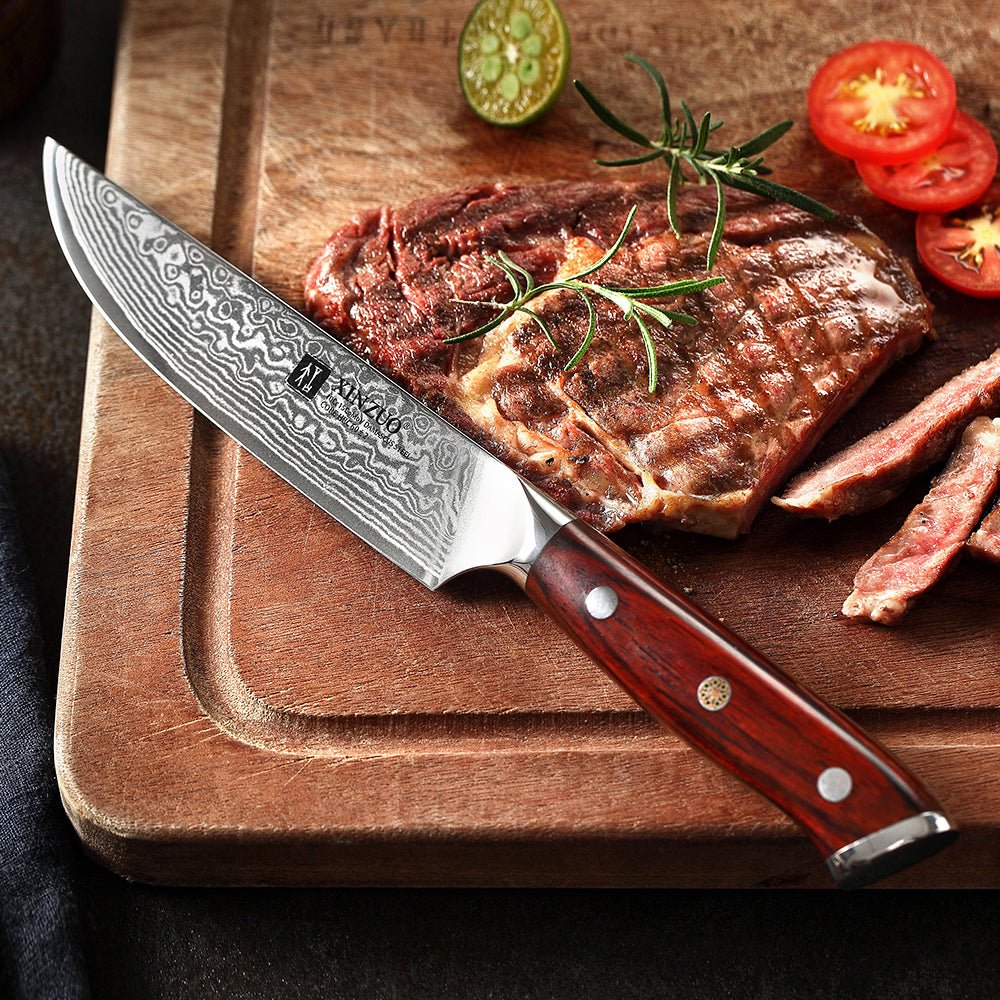
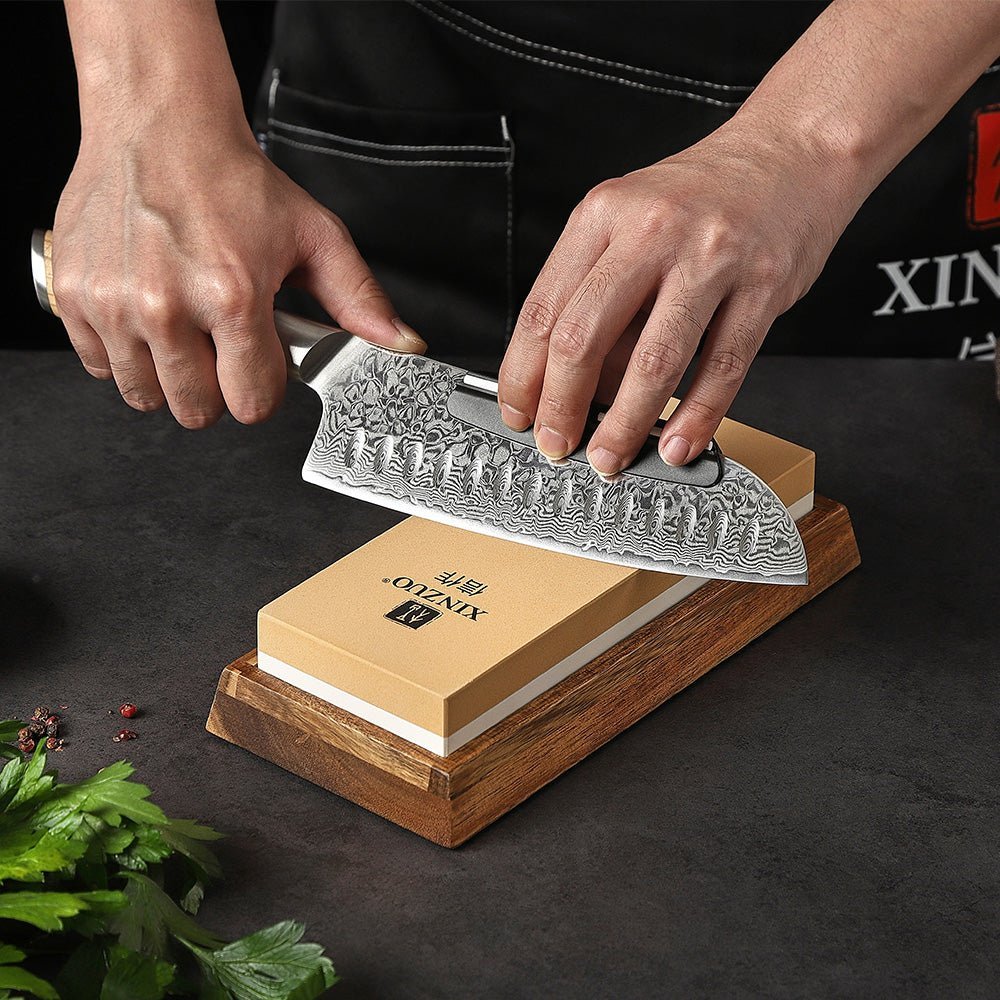
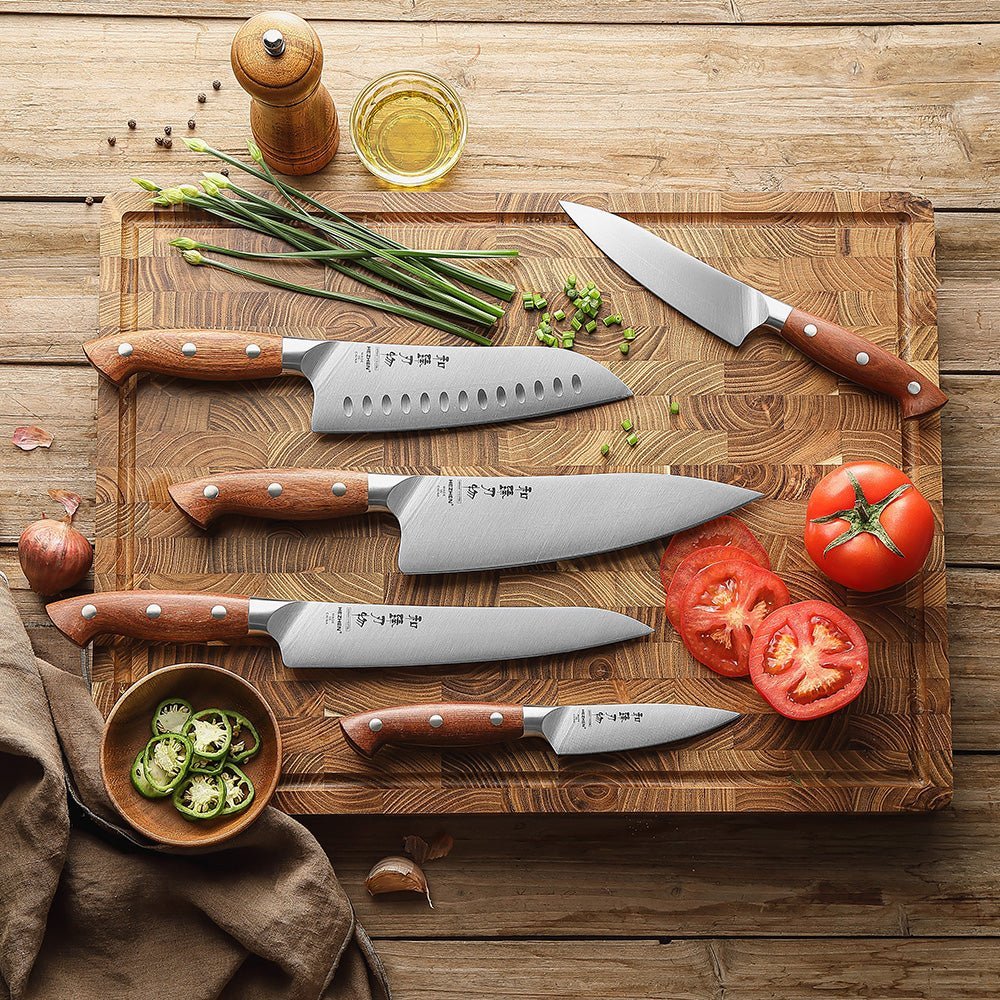
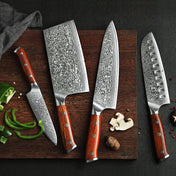
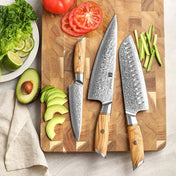
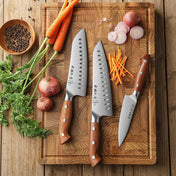
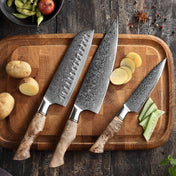
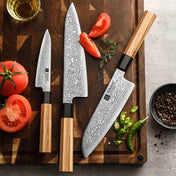
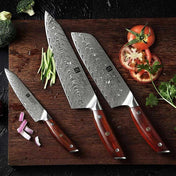
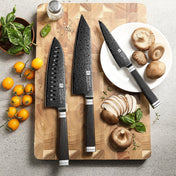
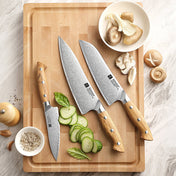
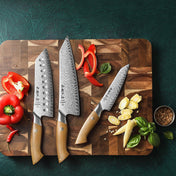
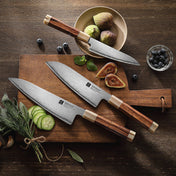
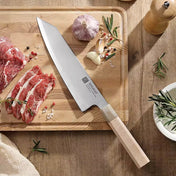
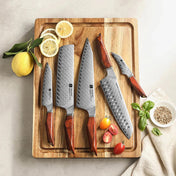
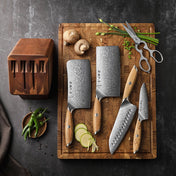
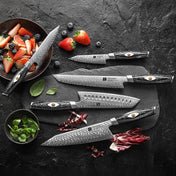
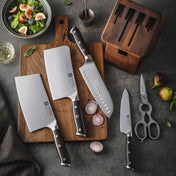
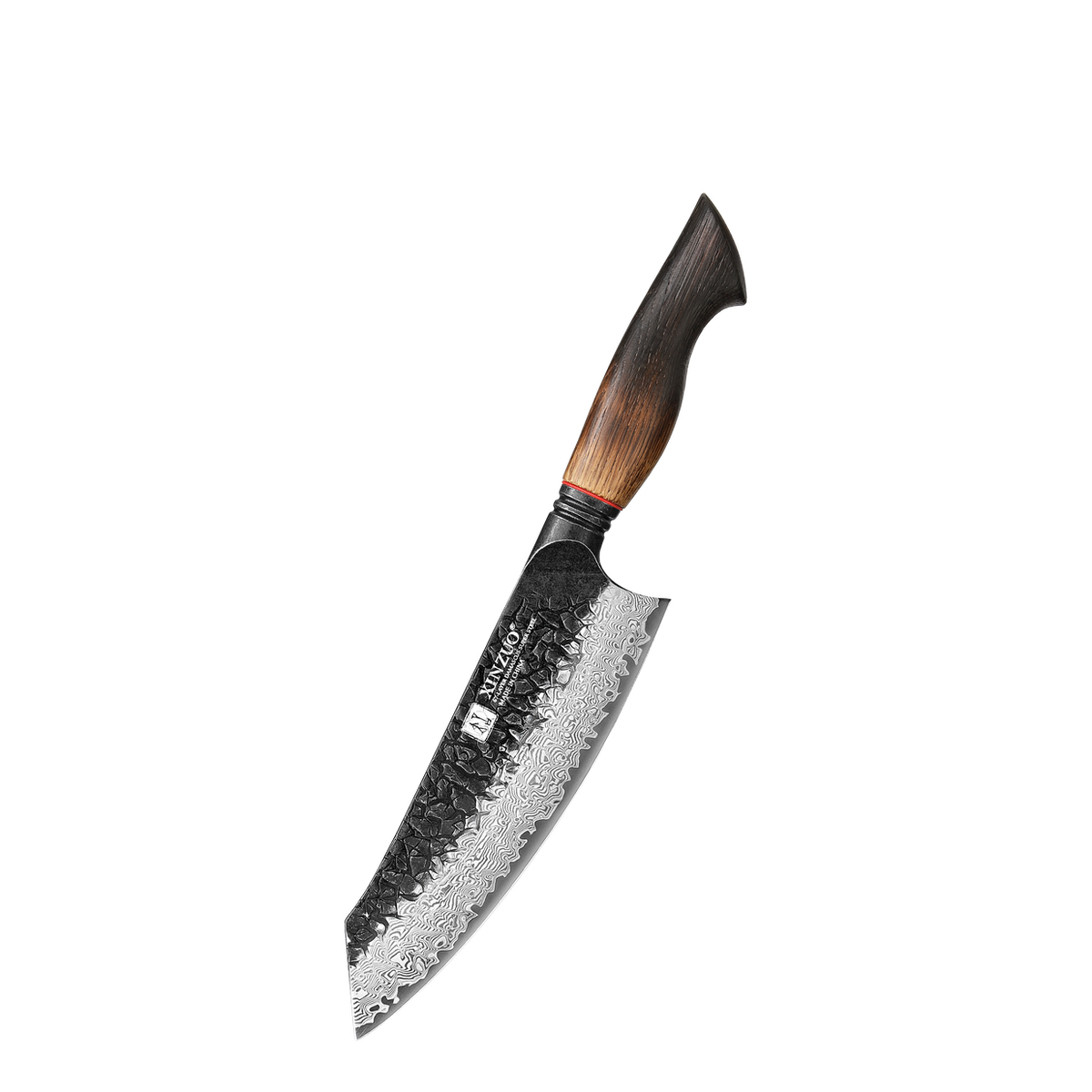
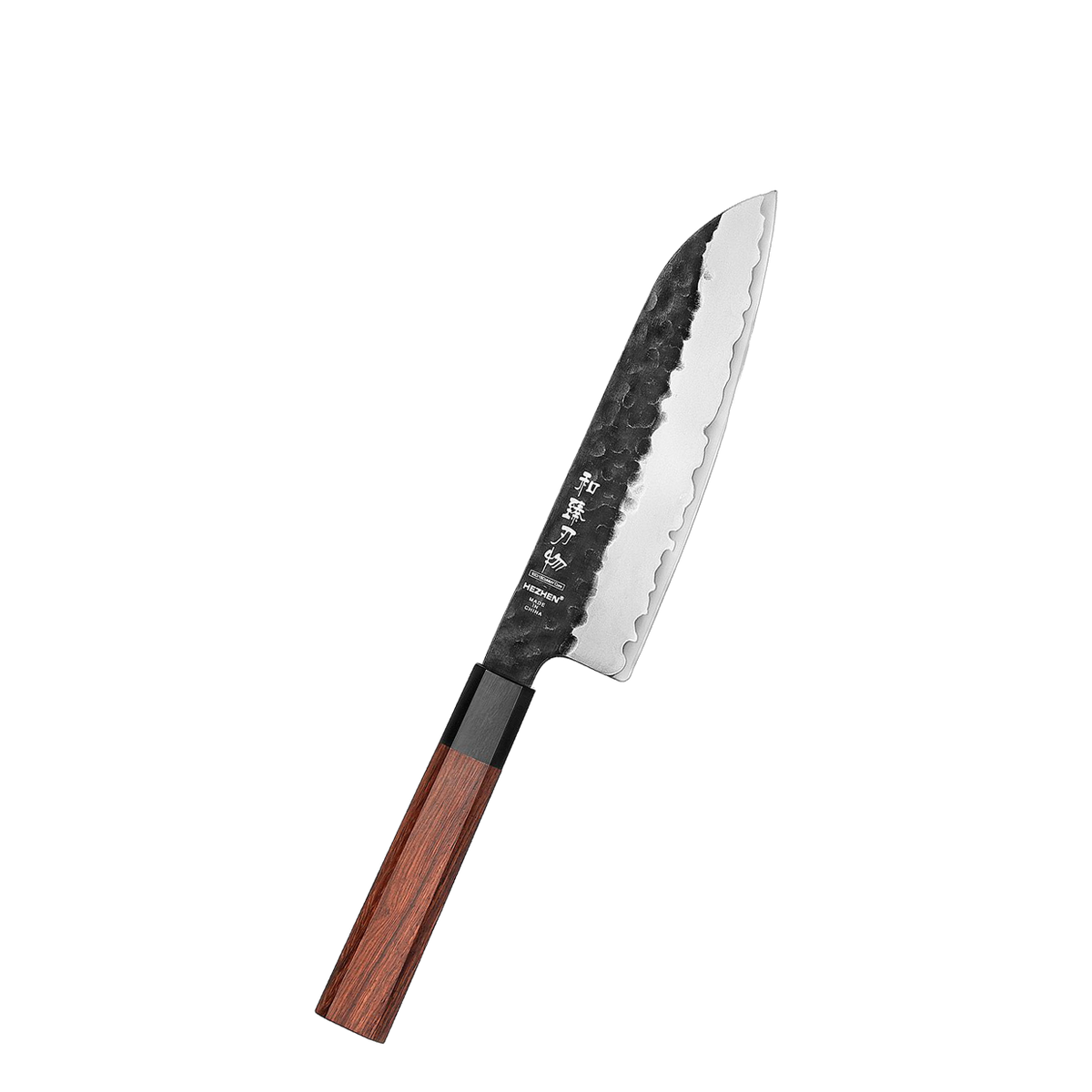
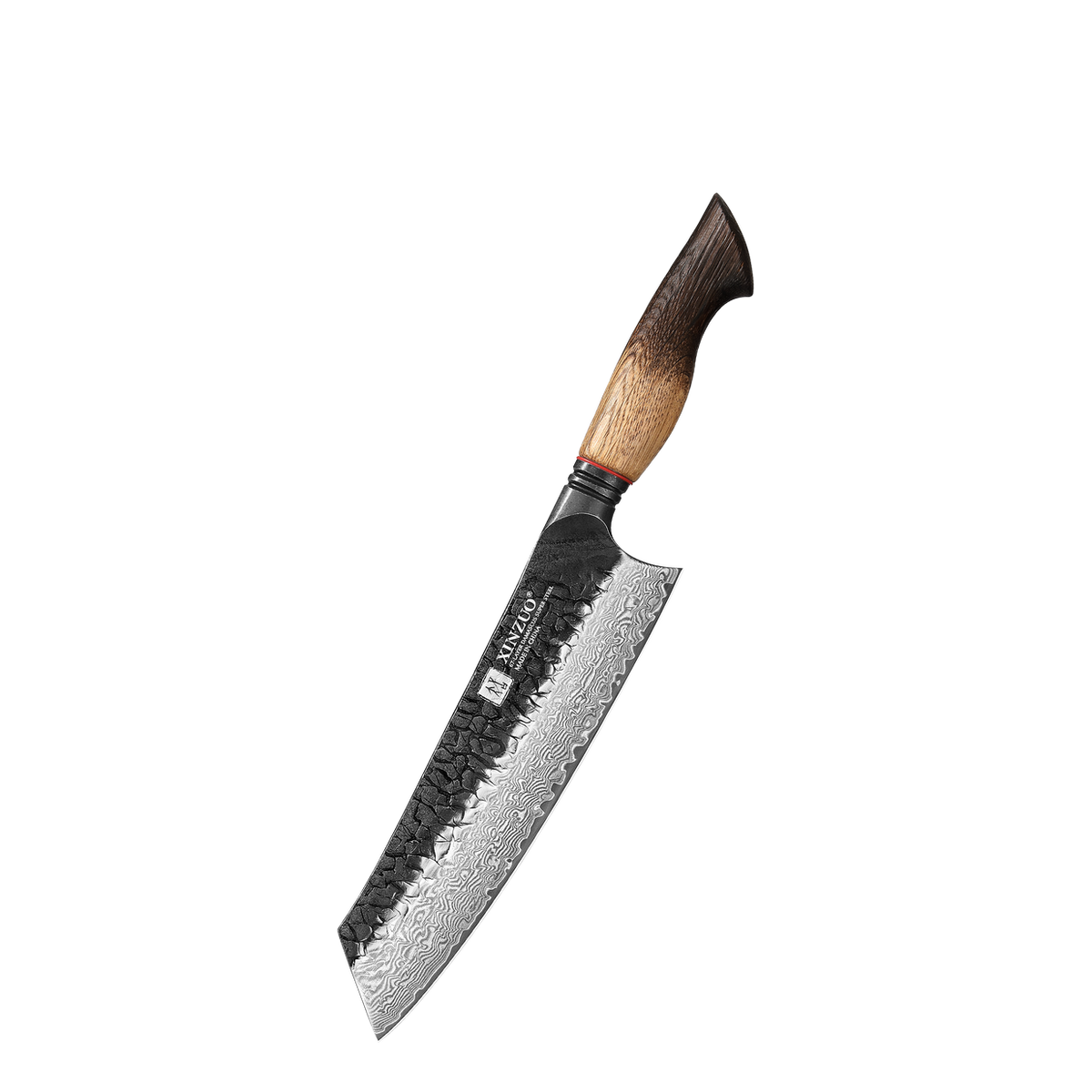
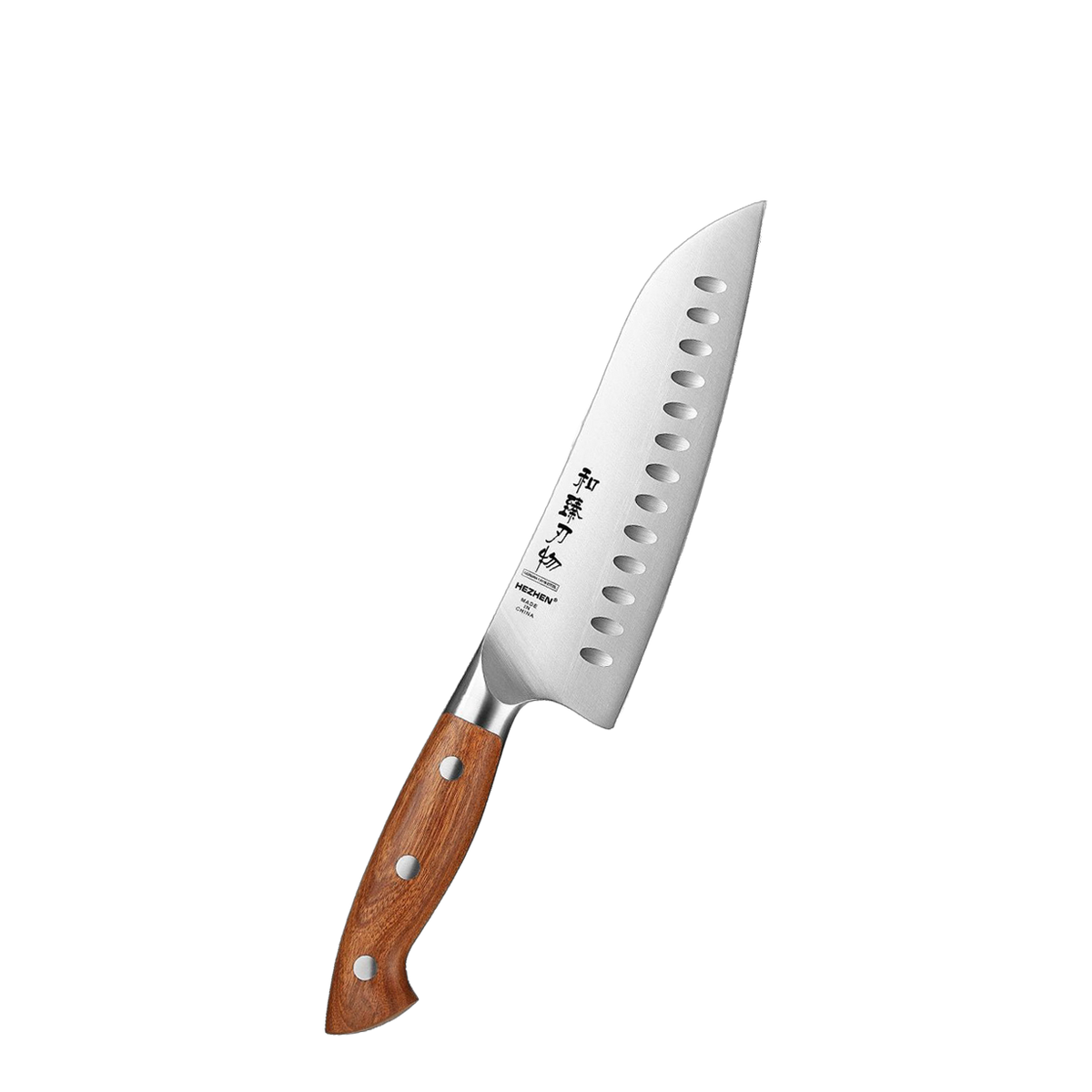
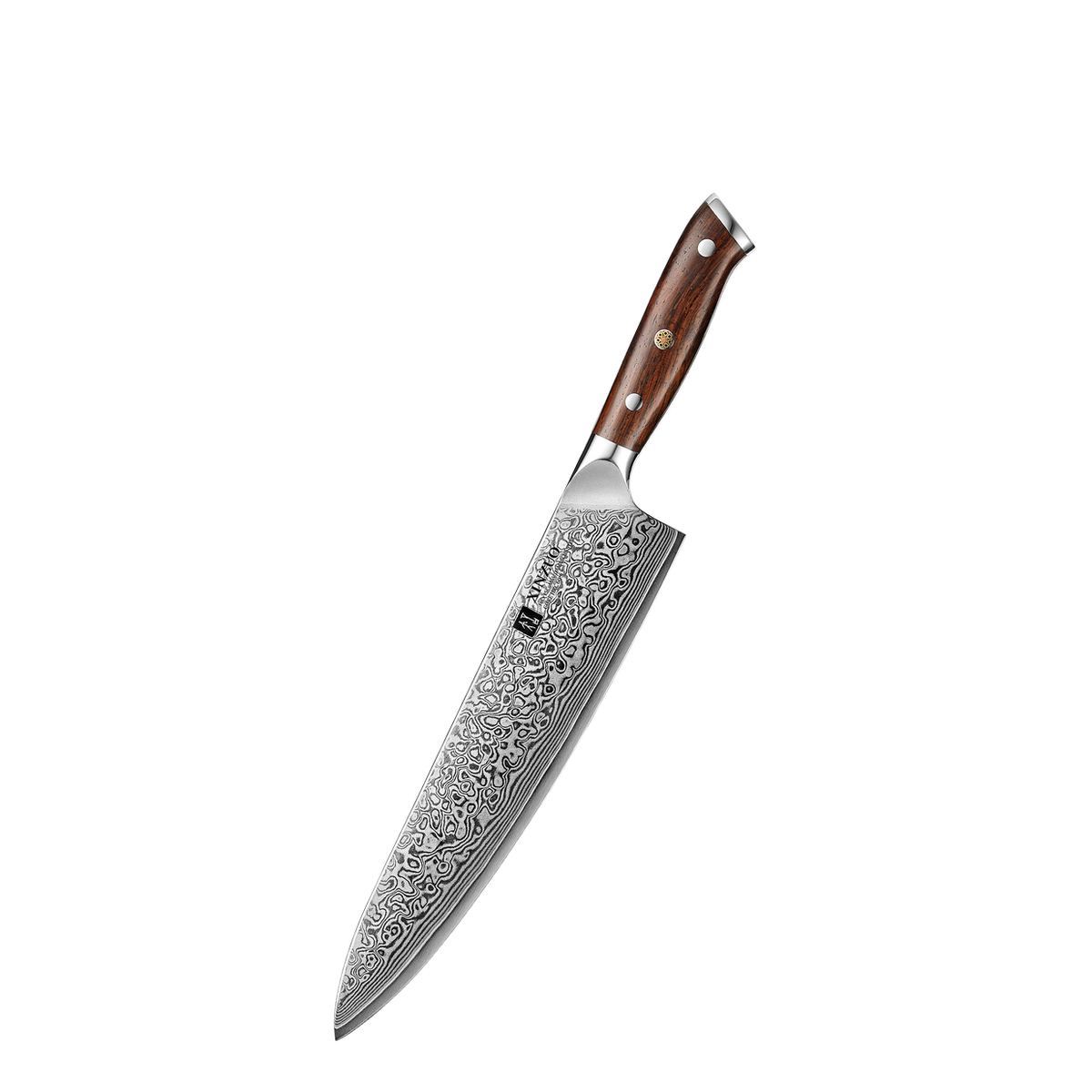
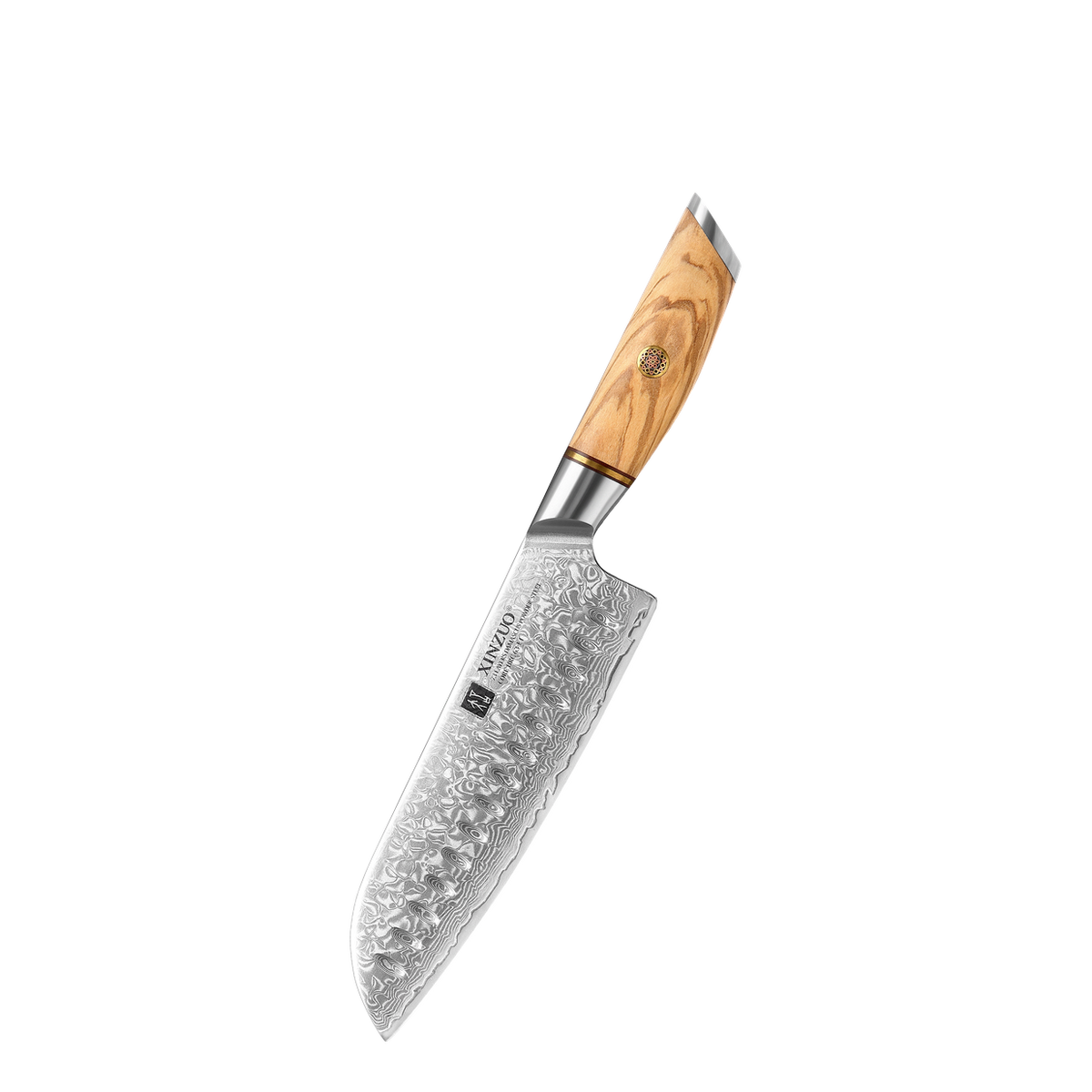
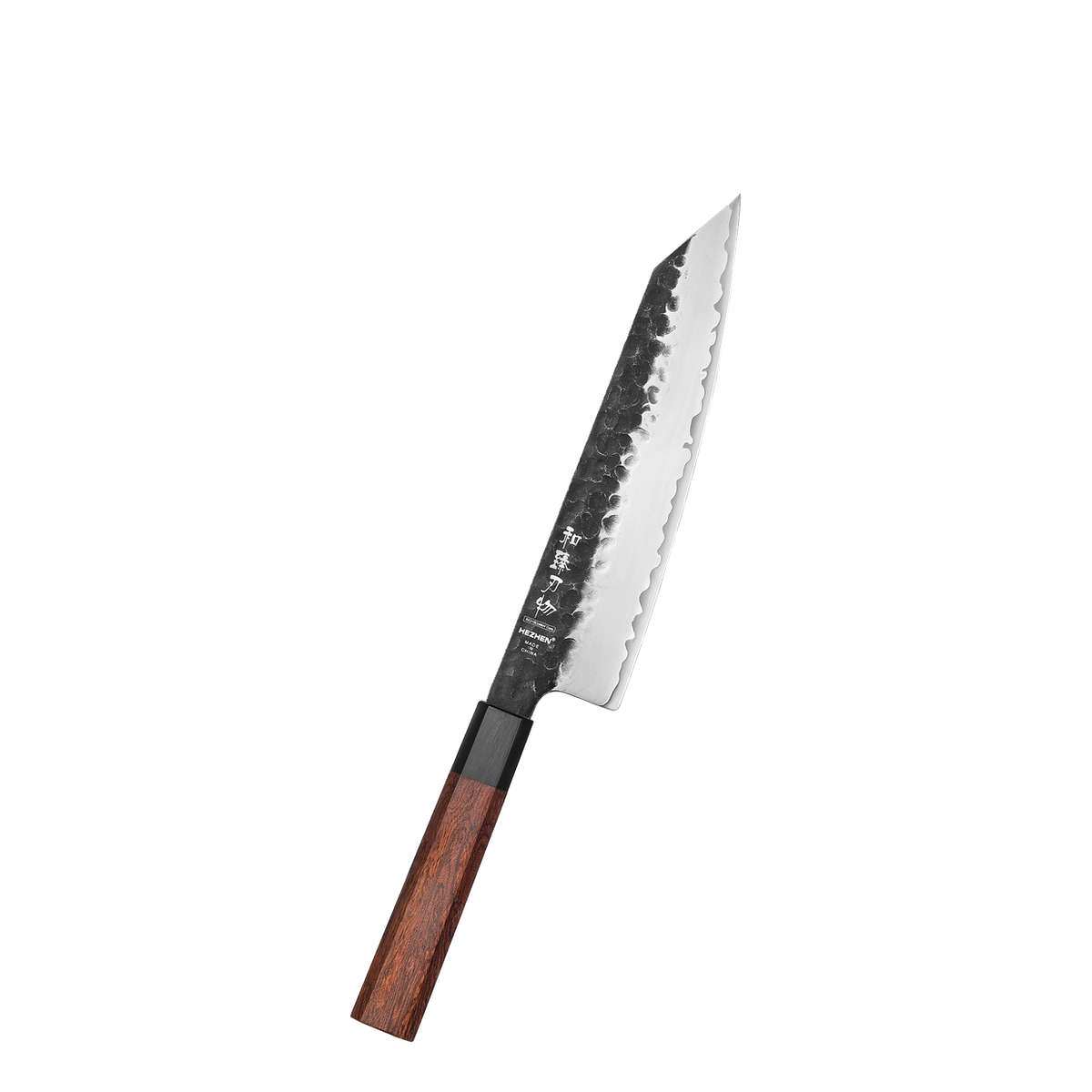
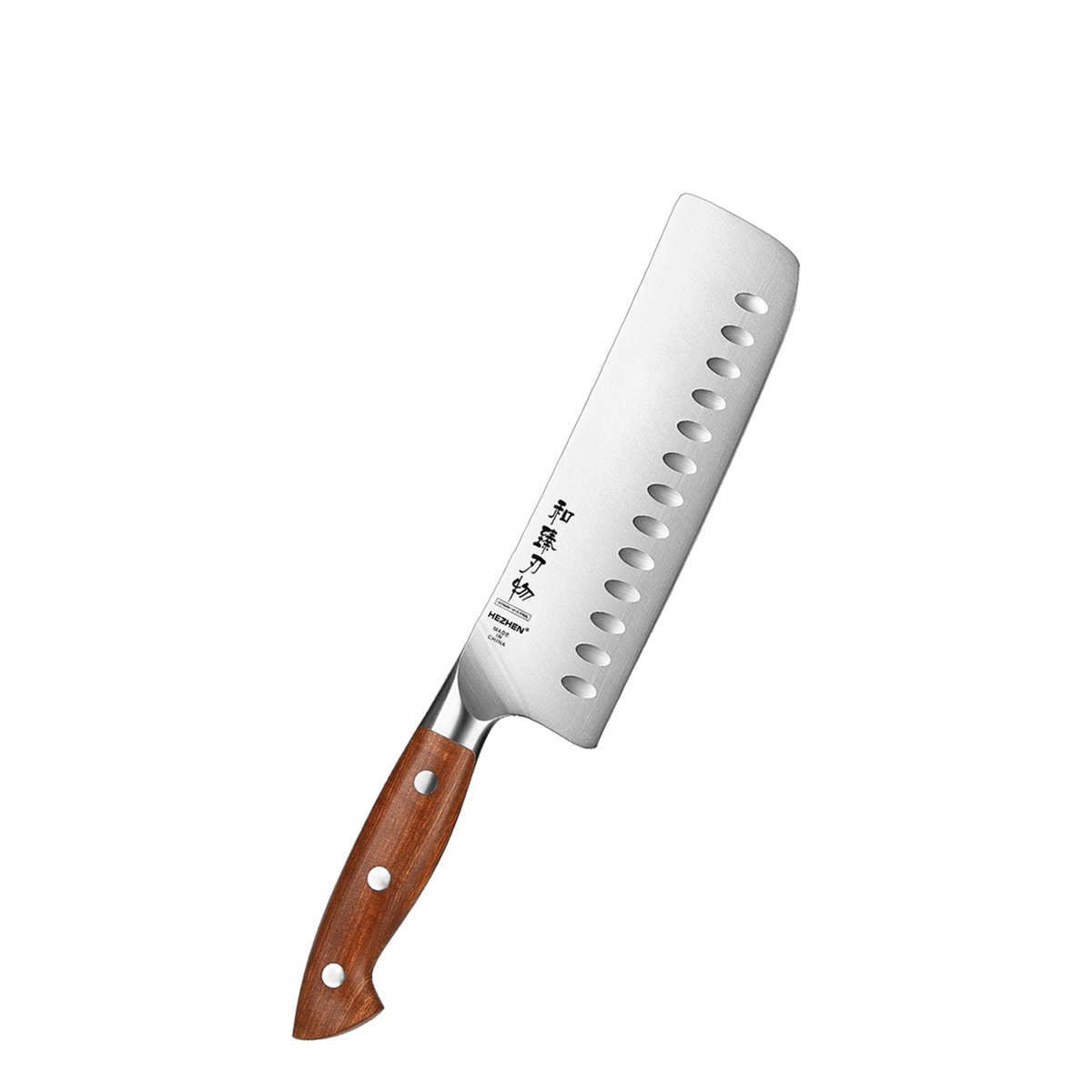
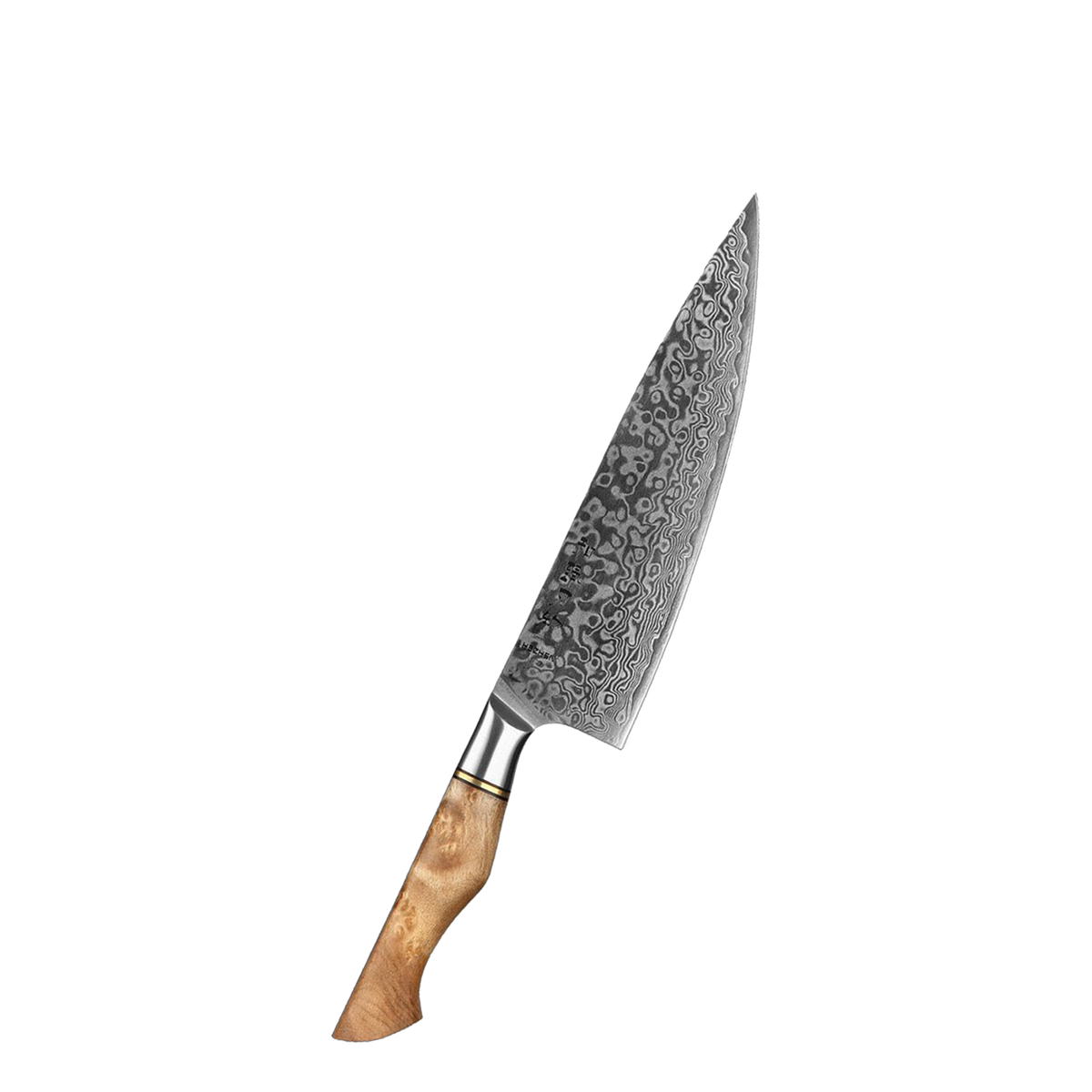
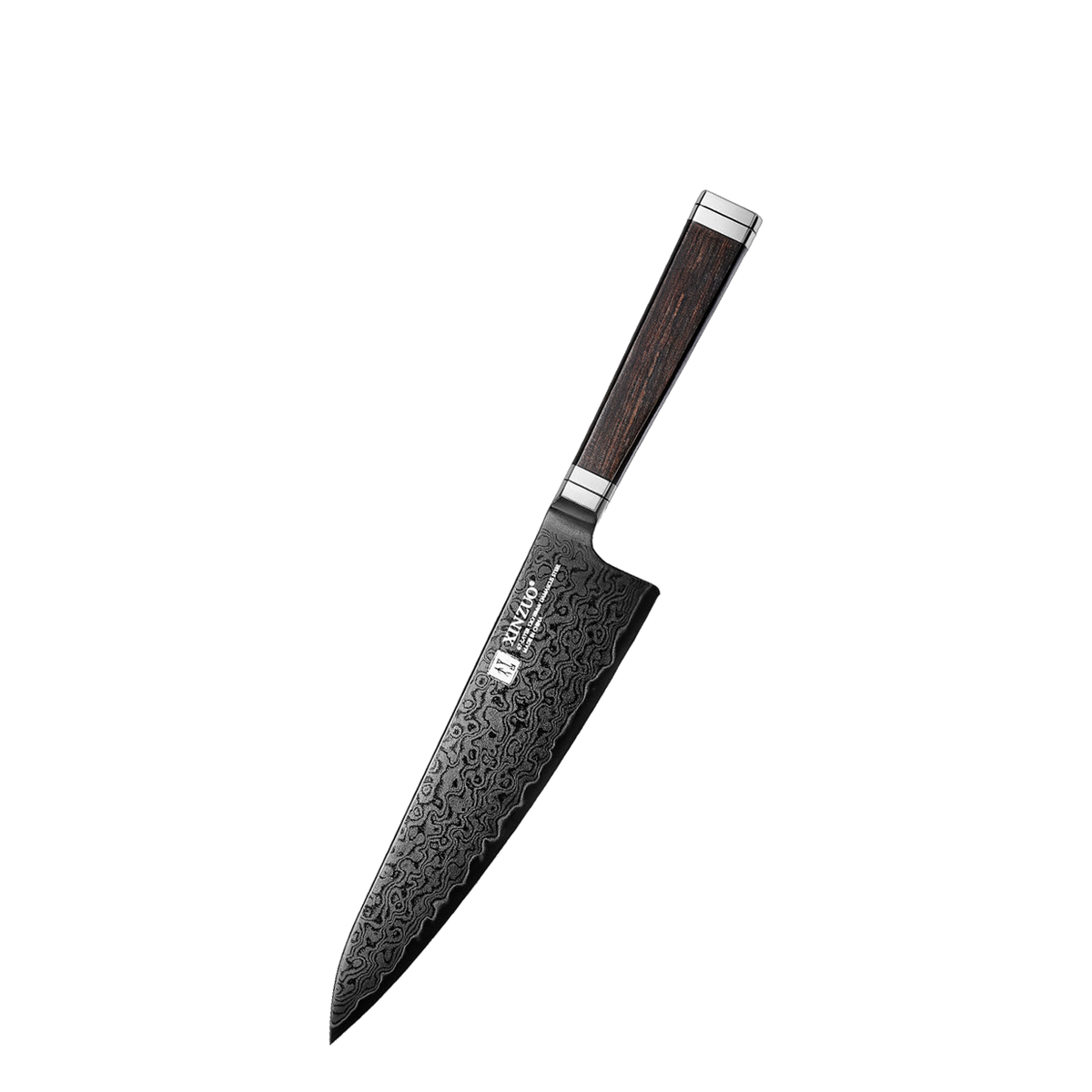
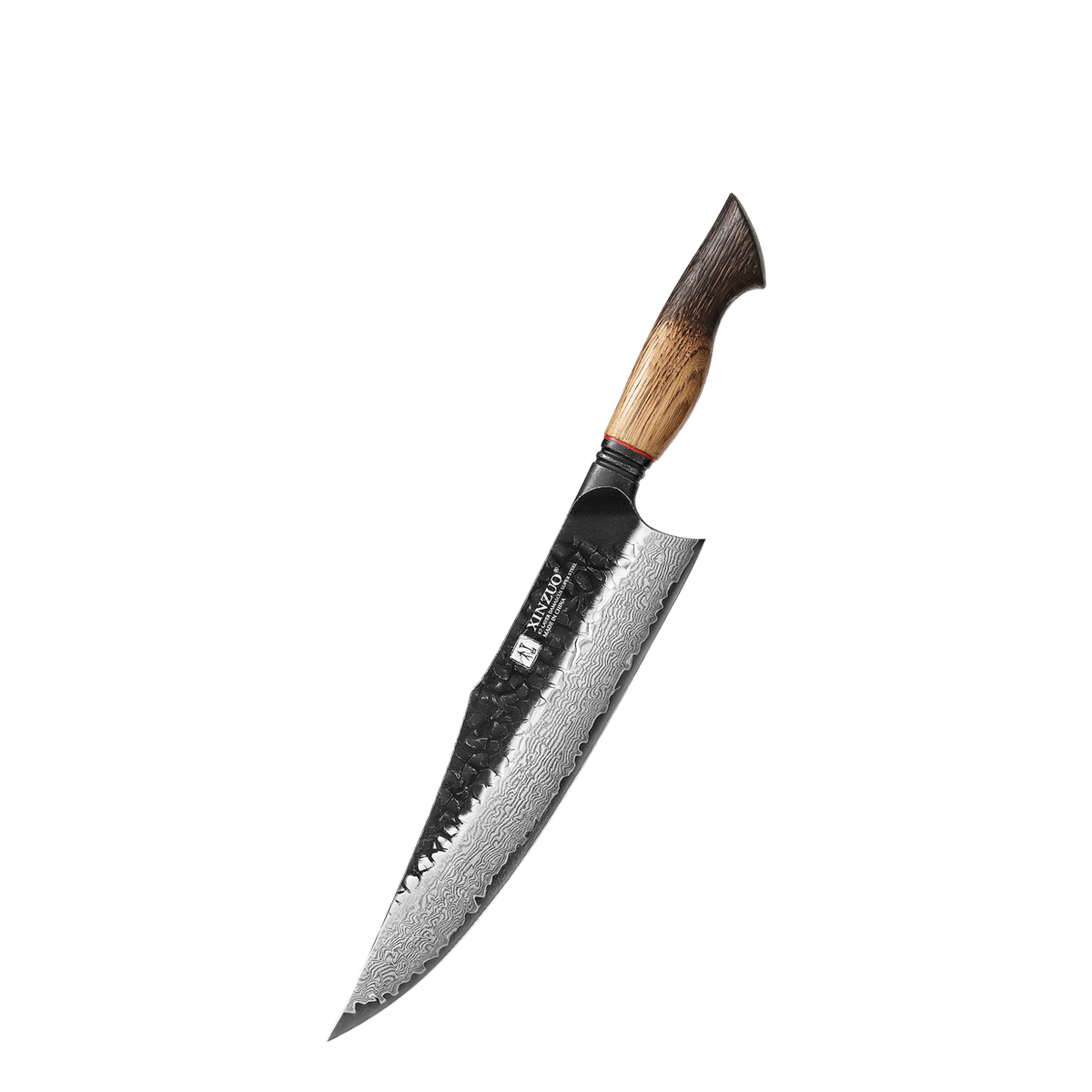
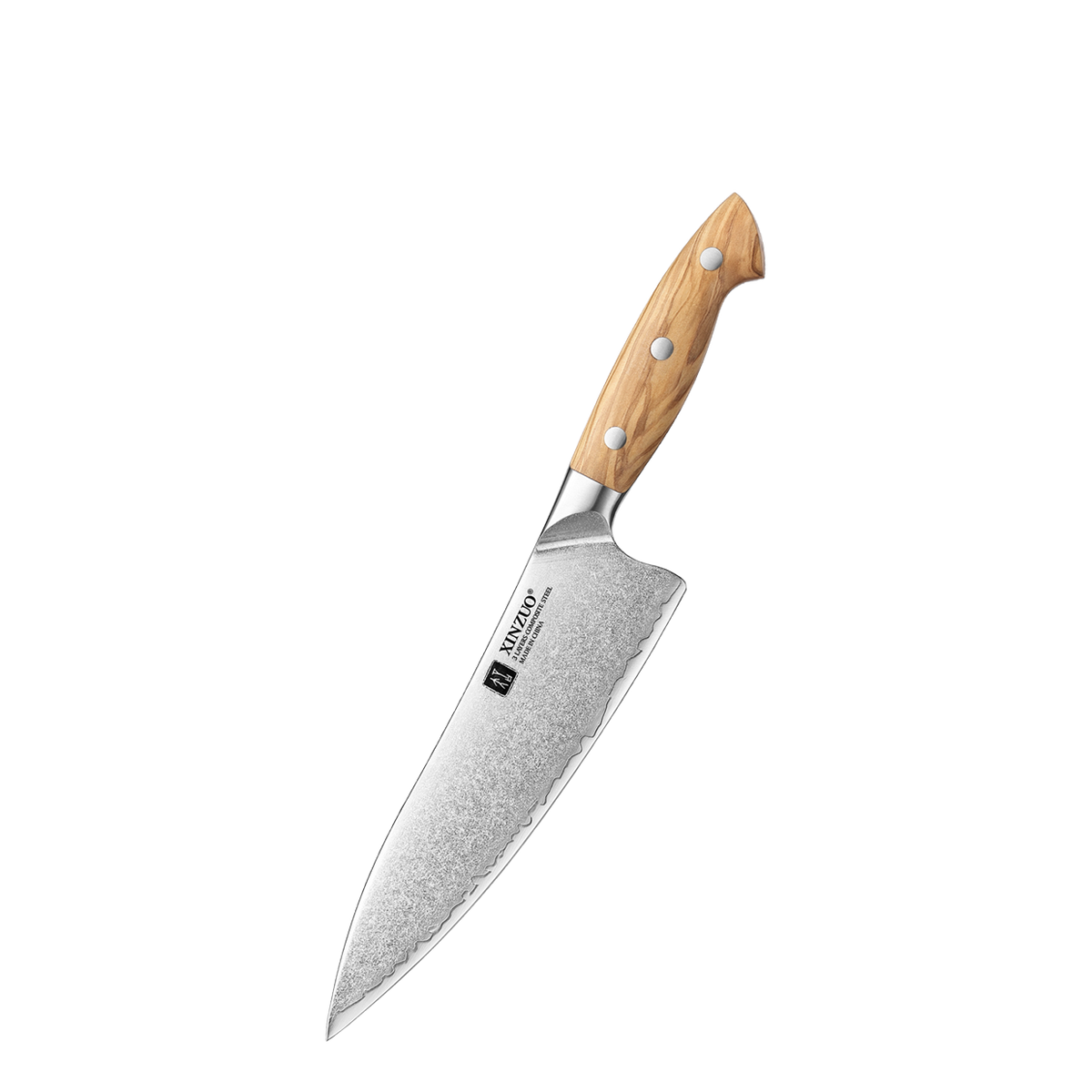
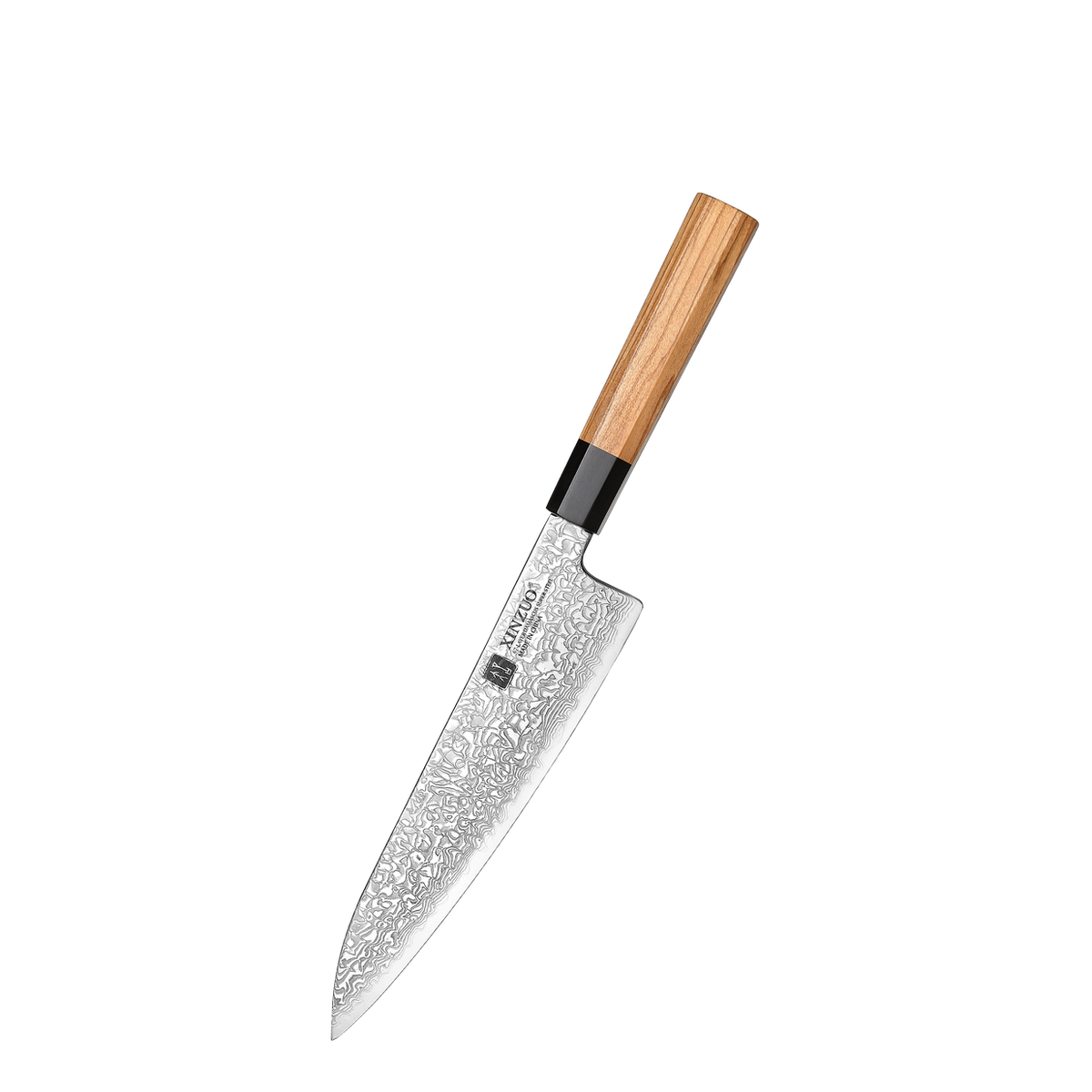
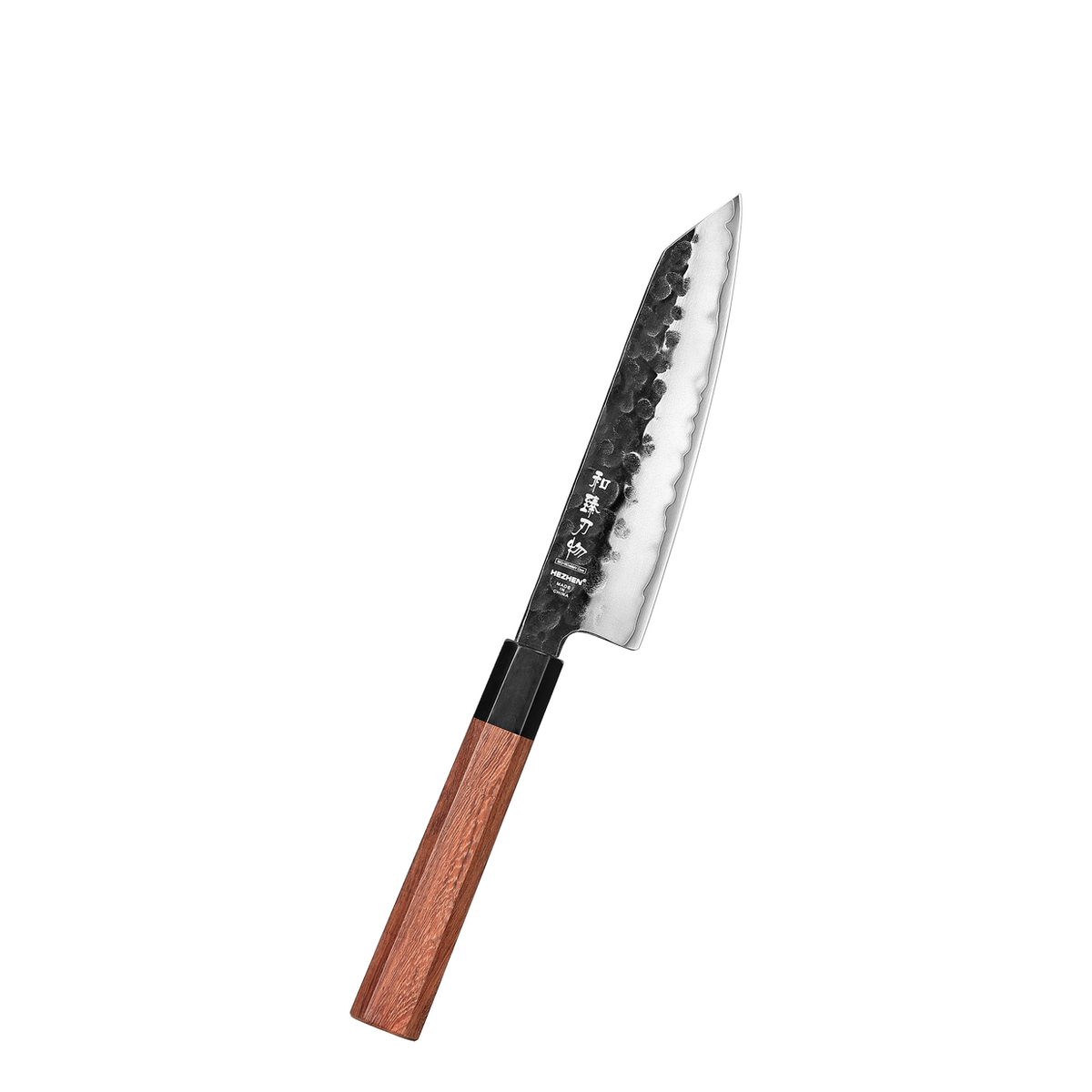
The result is a lighter blade that cuts with less effort and holds its edge significantly longer between sharpenings. Xinzuo Japanese knives are forged in Yangjiang using traditional Japanese blade profiles including gyuto, santoku, nakiri, bunka, and specialty blades for specific tasks. Each blade uses a 10Cr15CoMoV steel core hardened to 60+ HRC, giving you the sharpness and edge retention that Japanese knives are famous for worldwide. The thinner geometry means less resistance through ingredients, so your cuts are cleaner and your prep is faster. Whether you are a home cook upgrading from supermarket knives or a professional chef building a serious kit, Japanese kitchen knives transform the way you work. Our collection covers every profile from the versatile gyuto to the vegetable-focused nakiri, all built to deliver genuine Japanese cutting performance.
-
20% OFF
-
20% OFF
-
20% OFF
-
20% OFF
-
20% OFF
-
20% OFF
-
20% OFF
-
20% OFF
-
20% OFF
-
20% OFF
-
20% OFF
-
20% OFF
-
20% OFF
-
20% OFF
-
20% OFF
-
20% OFF
-
20% OFF
-
20% OFF
-
20% OFF
-
20% OFF
-
20% OFF
-
20% OFF
-
20% OFF
-
20% OFF





Choosing Japanese Kitchen Knives
Japanese kitchen knives are designed for precision. Thinner blades, harder steels, and more acute edge angles (typically 15 degrees versus 20 degrees for Western knives) allow cleaner cuts with less effort. This matters for ingredients where cell structure affects flavour and presentation, sashimi, herbs, and delicate vegetables all benefit from a sharper, thinner edge.
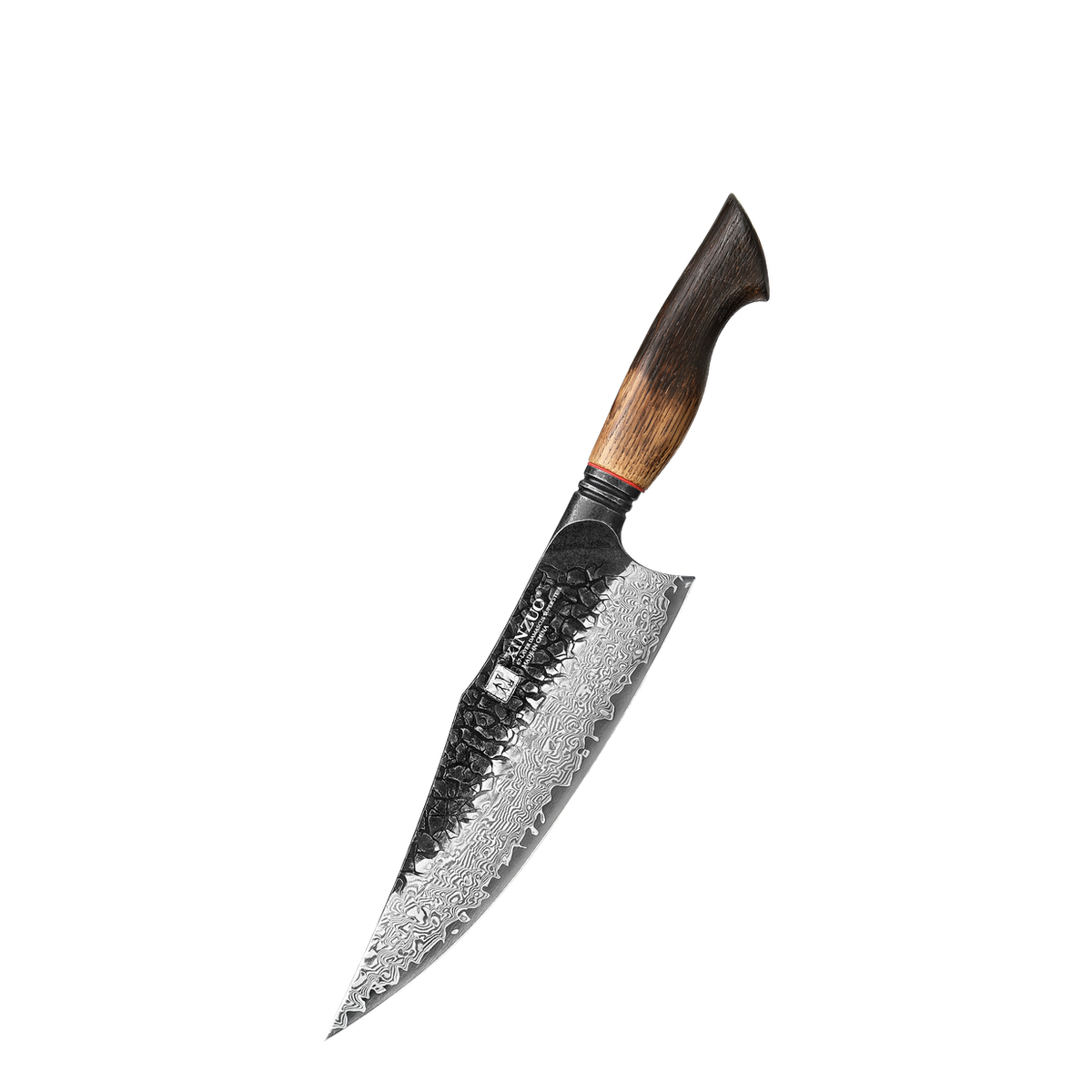
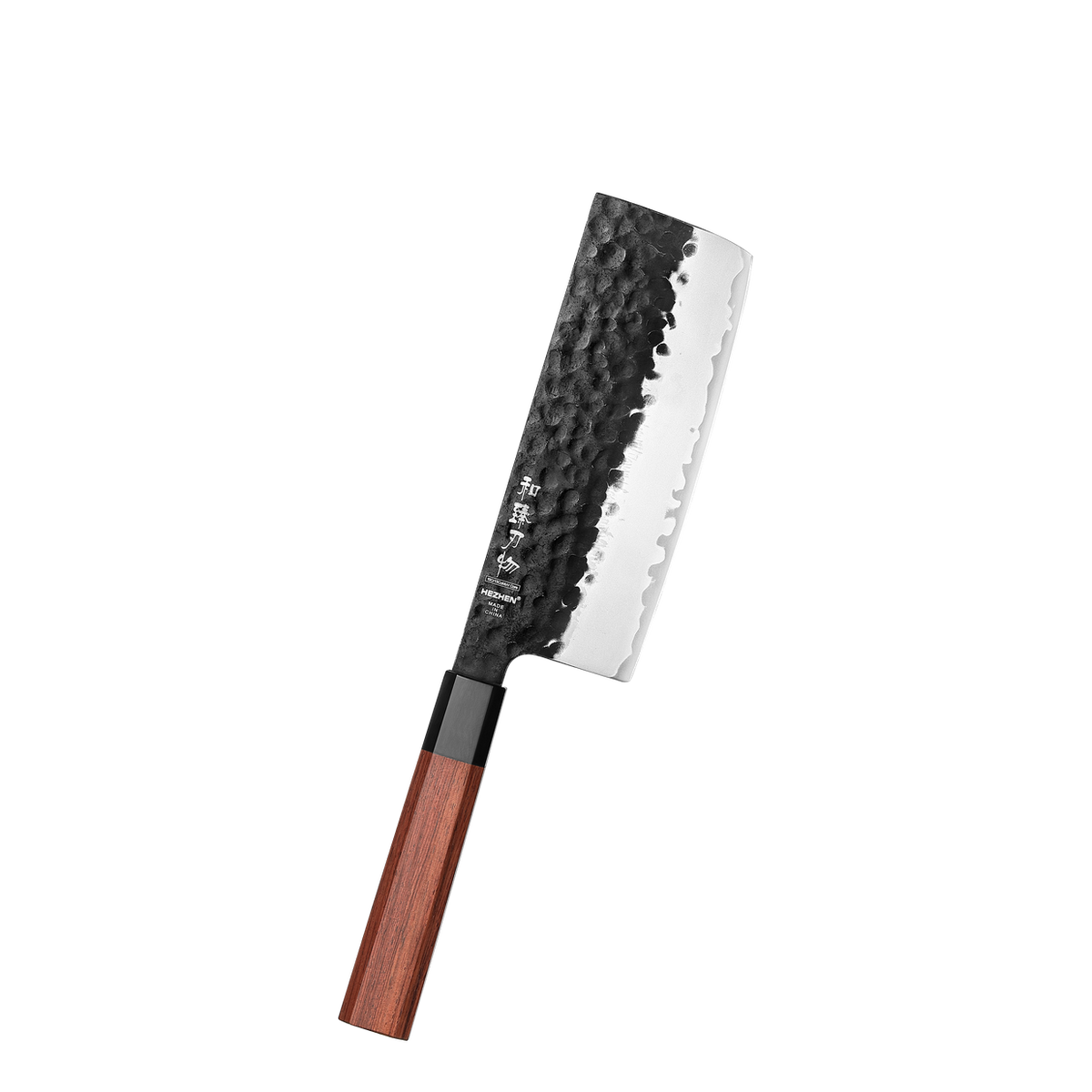
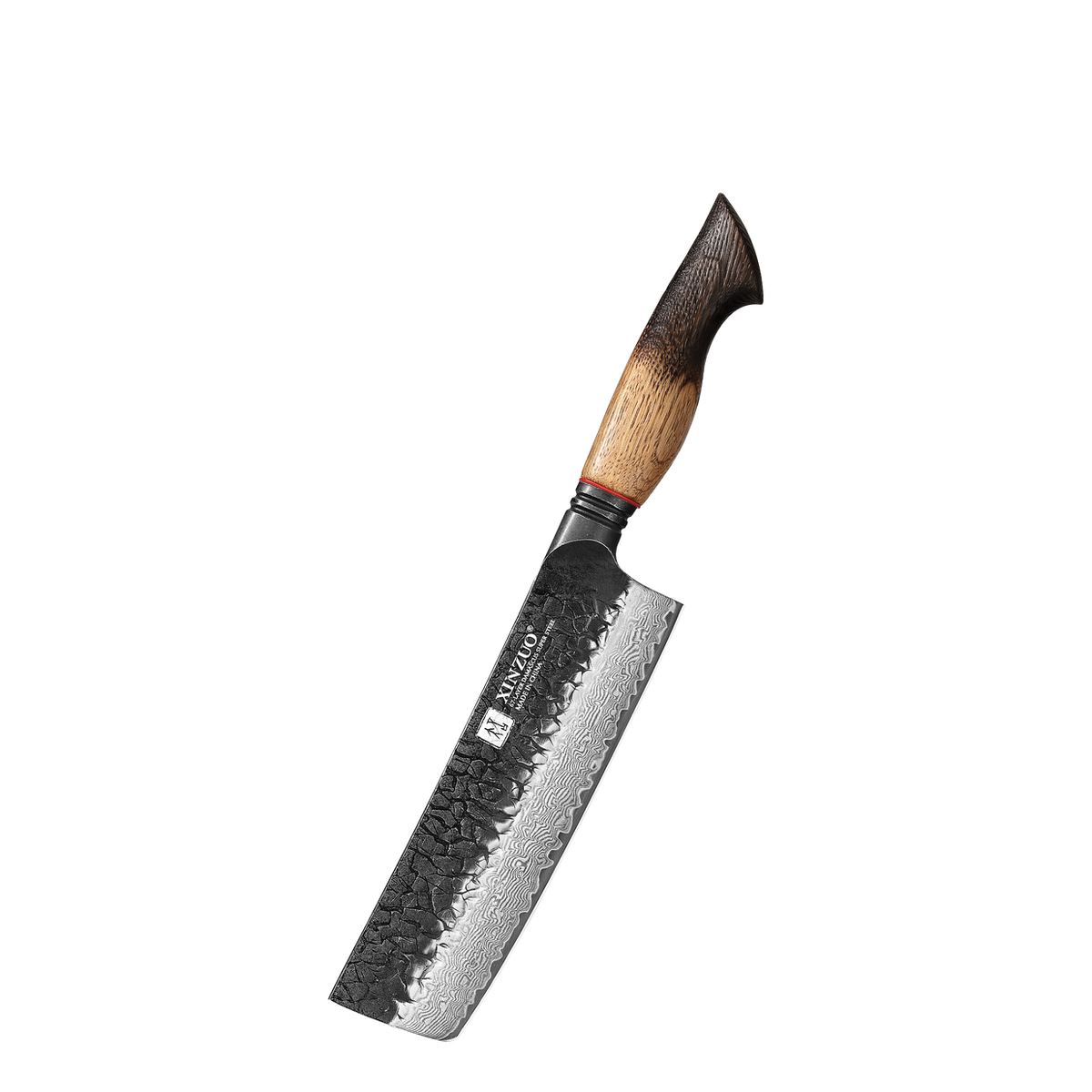
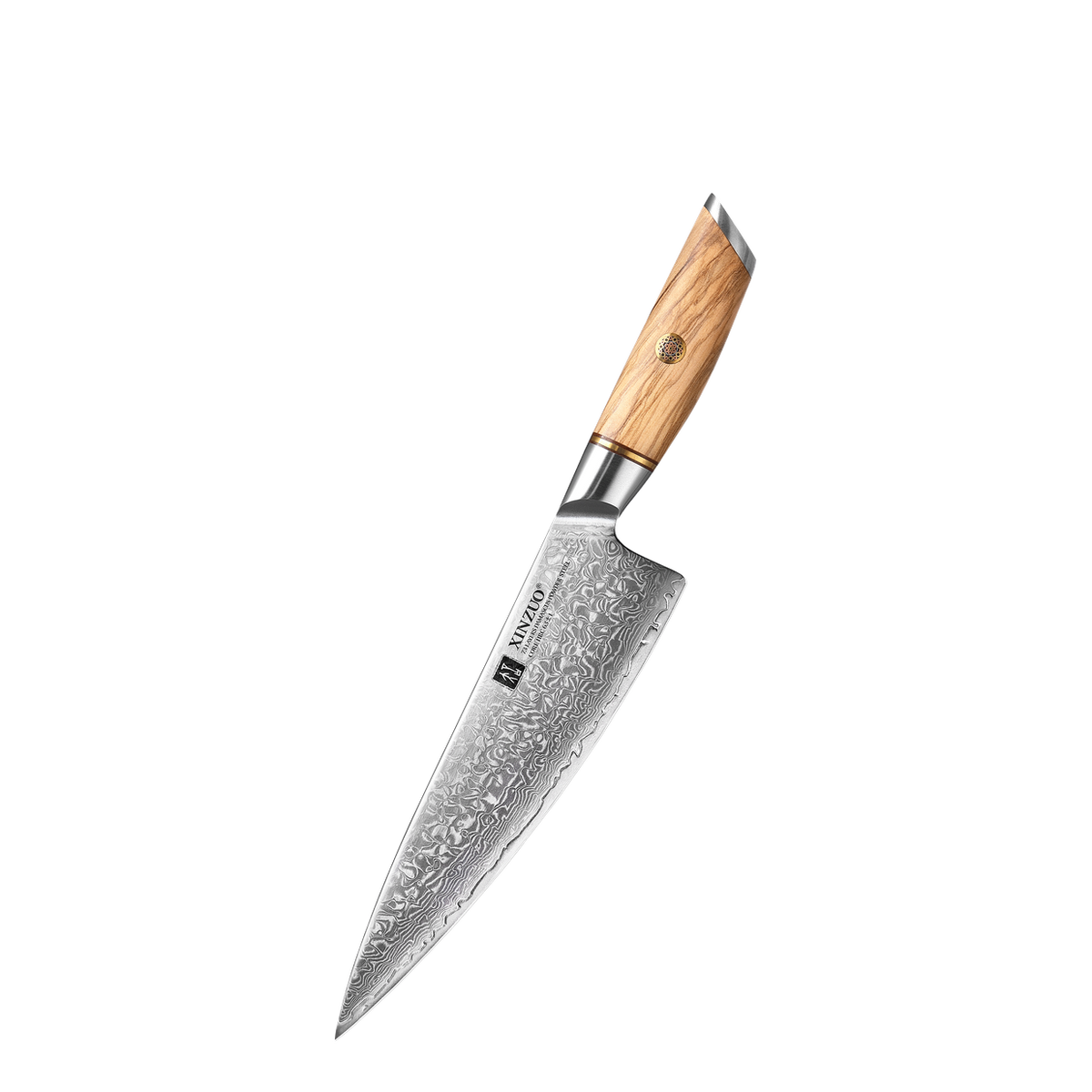
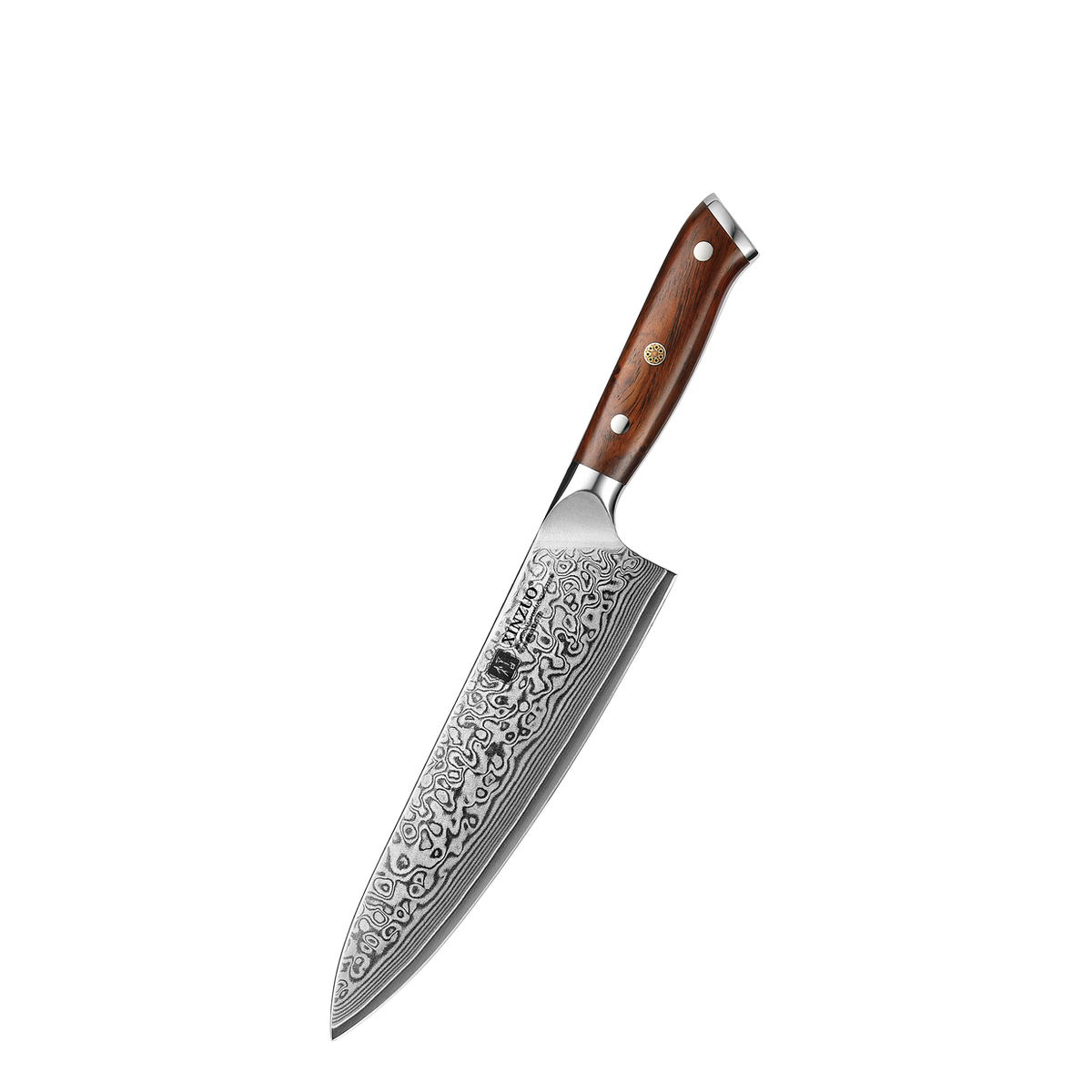
Japanese-style knife design covers a range of specialised shapes, each built for specific tasks. The santoku is the versatile all-rounder, the nakiri excels at vegetable prep, and the bunka combines a k-tip profile with everyday functionality. For Australian home cooks who want one Japanese-style knife to start with, a santoku or gyuto (Japanese chef knife) is the most practical entry point.
Our Japanese-style knives are made in Yangjiang, China's knife-making capital, Most use Chinese steels such as 10Cr15CoMoV and 14Cr14MoVNb powder steel, and the Zhen X05Z and PM8M series have genuine Japanese ZDP-189 and Aogami #2 cores. The advantage is value, without the heritage markup that inflates traditional Japanese brands.
Japanese-style knife Guides
New to Japanese-style knives? Our Japanese-style knife types guide explains every major blade shape and its ideal use. For an honest comparison of Eastern and Western approaches, see German vs Japanese kitchen knives. If you're considering building a Japanese-style collection, our beginner's buying guide covers the essential first purchases.
Browse also: Japanese-style knife Sets | Damascus Knives | Chef Knives
More on Japanese Knives
- Gyuto, santoku, nakiri, bunka: our complete guide to Japanese knife types from Xinzuo explains what each blade does best and which suits your cooking style. Japanese knife types explained
- German vs Japanese kitchen knives: steel, geometry, and which tradition suits your cooking. Forged in Yangjiang using Japanese profiles. German vs Japanese knives
- Single bevel vs double bevel: understanding the edge geometry that makes Japanese knives so exceptionally sharp. Knife edge types guide
- The gyuto is the Japanese chef knife and the most versatile blade in the collection. See the full range. Shop Gyuto Knives
- The santoku is Japan's most popular kitchen knife for home cooks who want one blade that does it all. Shop Santoku Knives
- Get started with a curated Japanese knife set that covers all your essential cuts. Shop Japanese Knife Sets